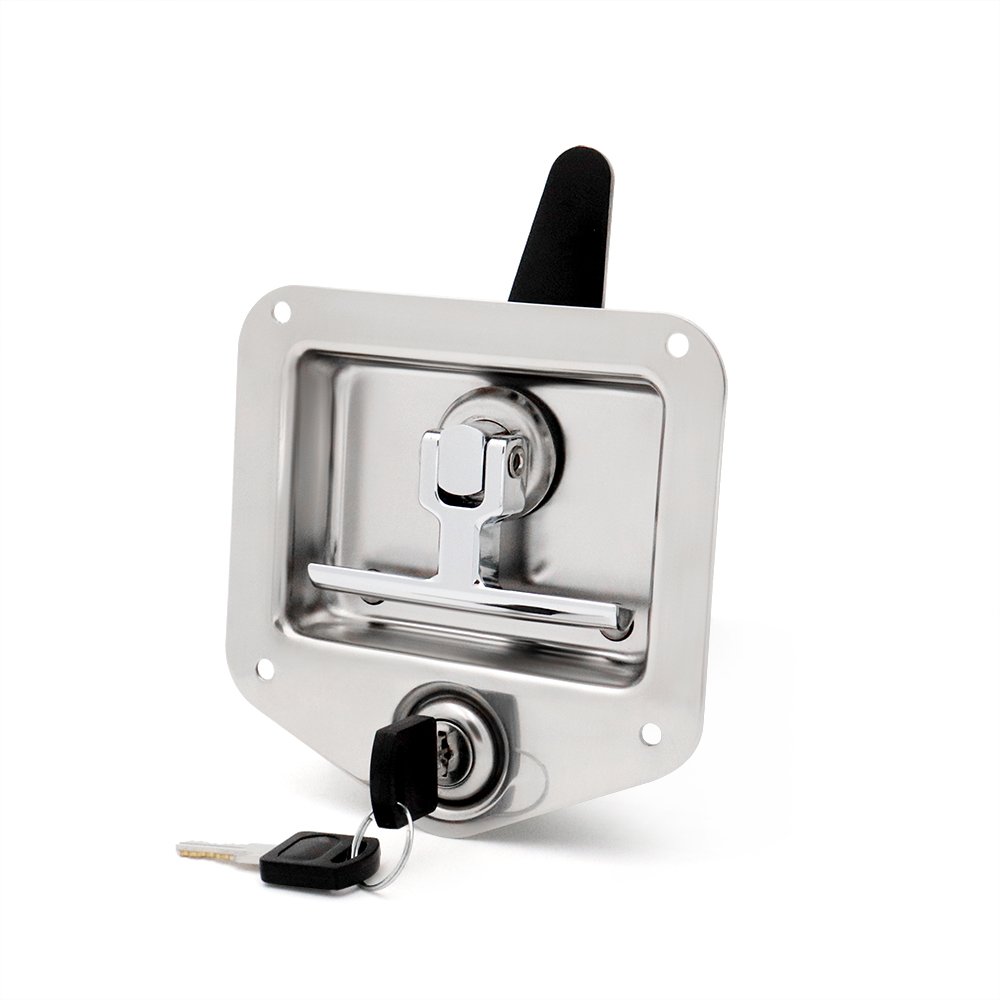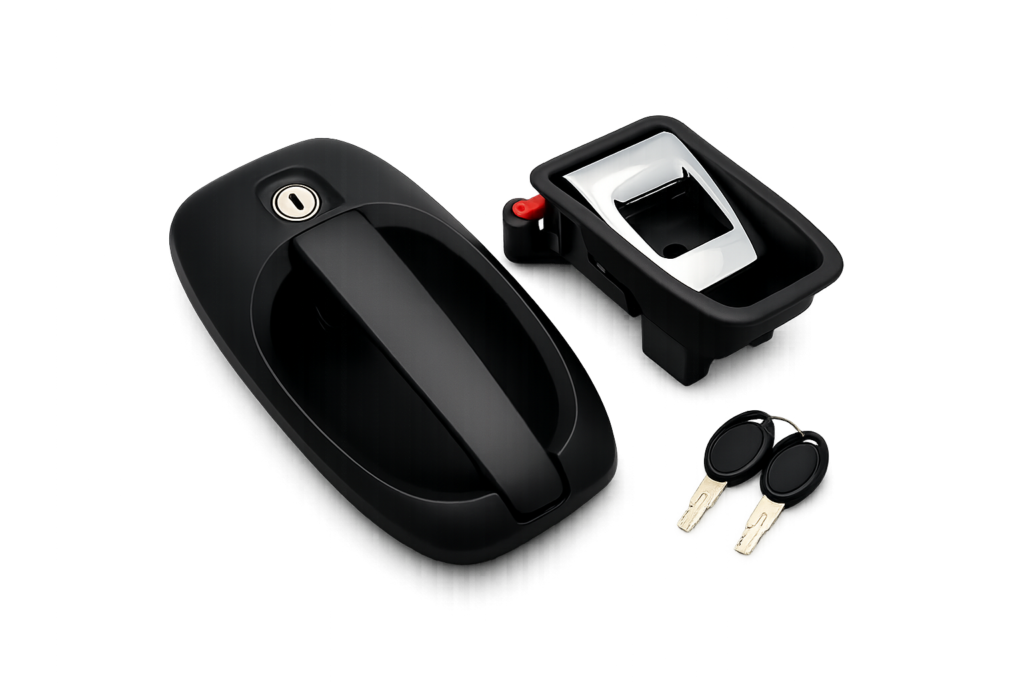
Yes, you can rekey every RV lock to use a single key. It is a common, affordable DIY upgrade for any RV owner. Juggling separate keys for the entry door, compartment doors, and storage bays wastes time. Rekeying RV locks changes the internal pins, not the hardware. Your existing locks stay in place. A rekeying kit lets you match each cylinder to a single master key. You need patience, the correct rekeying kit, and a few basic tools. Compatibility, kit selection, keyless locks, and clear step-by-step instructions are all within reach. You’ll learn to identify your lock brand and key code before you start. The result: one key for every latch on your RV.
Key Takeaways
Rekeying RV locks lets you open every lock with one key, saving time and reducing clutter.
One key makes things safer by replacing common keys like CH751 that many people can copy.
Rekeying costs less than swapping out locks, and the right kit makes it a doable DIY project.
You can rekey most standard RV locks, like entry and compartment locks, so they all use one key.
Keyless locks can also be set up to work with one remote or app for more ease.
Why One Key Matters
A single key for every lock on your RV is not a fantasy. It is a practical upgrade that removes daily friction.
The multi-key hassle
Standing at your RV door with a handful of keys wastes time. The entry lock, baggage doors, and fuel door all take different keys. Many RVs leave the factory this way. A locksmith operator explains that the locks may be original Schlage or Yale hardware, aftermarket cylinders, or mismatched parts from past repairs. Older campers accumulate these mismatched parts, so you struggle to match each key to its lock. You waste minutes cycling through your key ring.
Some owners avoid the hassle by installing combination locks instead. One owner puts it this way:
I replaced my compartment key locks with these combination locks… That way, if I need something out of the compartment I don’t need to find my keys first.
That solves the key problem, but new hardware costs more. Rekeying reaches the same goal without changing your existing locks.
Shared-key security risks
The key hassle is an inconvenience, but the shared-key risk is serious. Many compartment locks use a universal precut key called CH751. Acme Locksmith estimates this key opens storage compartments on up to 90 percent of RVs. Anyone can order it online. Your own CH751 key is likely in the hands of strangers.
Most CH751 RV compartment locks are keyed alike, meaning the same key can open many locks. Anyone with a CH751 key can open thousands of RV compartments, and thieves often carry universal keys to target RVs in parking lots or campgrounds.
Not all brands share this weakness. TriMark locks offer about 1,000 key code variations, which lowers the risk of random access. CH751 locks have limited code variations, so the theft risk is high.
Rekeying a CH751-compatible lock to a new code eliminates the universal-key threat. Your new key becomes exclusive to you, and your compartments stay secure.
Rekeying RV Locks: The Basics
Rekeying RV locks sounds technical, but the concept is simple. You change the internal pins inside the lock cylinder. The outside hardware stays exactly where it is. Your entry door handle, compartment latches, and storage bay locks all remain in place. Only the small metal pins that match your key get swapped out. This means you keep the look and feel of your existing locks. You just change which key opens them.
How rekeying works
Every lock cylinder contains a set of pins. Each pin sits at a specific height. Your key has cuts that match those pin heights. When you insert the correct key, the pins align at the shear line. The cylinder turns, and the lock opens. Rekeying changes the pin heights inside the cylinder. A rekeying kit gives you new pins in various sizes. You remove the old pins and install new ones that match your chosen key. The result: your old key no longer works, but your new key does.
The process works on most standard RV locks. You can rekey a compartment lock, an entry door lock, or a baggage door lock. The cylinder must be removable and serviceable. Many RV locks meet this requirement. GlobalLink RV locks, for example, can be rekeyed to a single key with a dedicated rekeying kit. You simply follow the kit instructions to swap the pins. The lock body, latch, and mounting hardware never change.
Rekeying vs. replacing
You have two paths to a single-key RV: rekey or replace. Rekeying wins on cost and effort. A rekeying kit costs far less than a set of new locks. You also avoid the labor of removing and reinstalling every latch. Replacement means buying new hardware for each door and compartment. You then install each new lock and dispose of the old ones. That takes more time and more money.
Replacement does offer some advantages. New locks may come with better security features. You might want a different finish or a keyless entry system. But for most owners, rekeying solves the problem without those extras. You keep your current locks and gain the convenience of one key. The table below summarizes the trade-offs.
Factor | Rekeying | Replacing |
|---|---|---|
Cost | Lower | Higher |
Labor | Minimal | Moderate to high |
Hardware | Stays | New |
Security upgrade | Pins only | Full lock |
Rekeying also preserves your RV’s original appearance. You do not need to match new lock styles to old ones. You avoid fit issues with different latch sizes. The job takes patience, but most DIYers can handle it. Start with one lock to build confidence. Then move to the rest. A single-key setup is within reach for almost any RV owner.
Which RV Locks Can Be Rekeyed?
Most standard RV locks accept rekeying. The cylinder must come apart so you can swap pins. GlobalLink RV locks meet this requirement. A dedicated rekeying kit lets you match every cylinder to one key. The kit cylinders come pre-coded to four random Global Link numbers. That means you can rekey an entire camper to a single key. CPG Brands Global PRO Series locks also support rekeying. These locks work with one of 91 unique key codes. You gain a much smaller pool of matching keys, which improves your security.
Standard and tubular cam locks
Cam locks used on storage bays can be rekeyed like other standard RV locks. A standard CH751 lock shares its key with thousands of other RVs. TriMark locks, by contrast, offer about 1,000 key code variations, making random key matching far less likely. A dedicated rekeying kit includes cam locks in various sizes, so you can match every storage bay cylinder to your chosen code. The process follows the same pin-swap method as other cylinders. Check your lock brand before you buy a kit. Some kits only fit specific cylinder types.
Keyless and smart locks
Keyless locks like RVLOCK change the game. You do not swap pins. You reprogram one lock to match another. The RVLock 8-button master remote can control up to 15 RVLock keyless products. One remote or key then operates multiple locks. To pair a fob with a handle, follow these steps:
Turn the switch on the back of the RVLock handle to ON.
Quickly press the FOB LEARN button next to the ON/OFF switch.
The handle enters fob-learning mode and pairs with your chosen remote.
The RVLock app offers another path. Open the app and tap the plus sign. Select Add New Device. Press and hold the BT Pro module’s learn button for about 3 seconds until the light blinks. Select the BLE (10-digit) device and confirm it shows Connected. Set the handle switch to ON, press the fob learn button, then press Lock in the app within 10 seconds. A long confirmation beep means success. Multiple phones can pair, but only one phone operates the lock at a time.
One RVLock user reports that the Bluetooth Pro upgrade is backward compatible with existing RVLock locks, enables app-based locking and unlocking, and retains the keypad and physical key as backup.
Rekeying RV locks gives you options across both mechanical and electronic systems.
What You Need to Rekey RV Locks
Gather your materials before you touch a single lock. Global Link rekeying kit cylinders come pre-coded to four random Global Link numbers. That means a single kit can match every cylinder on one camper to the same code. A rekeying kit solves the problem of juggling separate keys. It gives you the pins and cylinders you need to assign a new, exclusive code to every lock on your rig.
Rekeying kits and pin tumblers
A dedicated rekeying kit for GlobalLink RV locks contains everything you need to match your cylinders to one key. The kit includes non-master cylinders, master cylinders, change keys, and cam locks in various sizes. You use the change keys to remove and install pins without damaging the cylinder housing. Those cam locks let you rekey every storage bay on your RV.
You can also rekey an RV lock to match another lock. Provide the key code of the lock that will remain. The kit supplier uses that code to pre-set the pins in your new cylinders. When the kit arrives, every cylinder already matches your chosen key. You simply swap the old cylinders for the new ones. This approach saves you from manually re-pinning each lock. It also reduces the chance of a pin error.
Tools and supplies
You need a few basic tools for the job. A screwdriver set handles most lock mounting screws. A small pick or tweezers helps you remove and insert pin tumblers. A clean workspace keeps tiny pins from rolling away. Label each lock and its parts as you work. A permanent marker and small bags or cups keep everything organized.
You should also have your key code handy before you order a kit. Check the face of your current key or the lock cylinder for a stamped code. If you cannot find a code, contact the lock manufacturer with your lock model. They can tell you which kit fits your hardware. A little prep work now prevents a wrong order later.
Step-by-Step Rekeying
You have your kit, your tools, and your key code. Now you need a plan. Rekeying RV locks goes smoothly when you work through one lock at a time. Rushing the job leads to mixed-up pins and lost parts. A slow, organized approach saves you hours of frustration.
Prep and label each lock
Start by removing each lock cylinder from its door. Work on one lock at a time. Lay every cylinder on a clean towel or tray. Grab your permanent marker and a set of small bags or cups. Write a label for each lock before you open it. Use names like “entry door,” “front baggage,” “rear baggage,” or “fuel door.” Place the small parts from each cylinder into its own labeled bag. Springs, pins, and retaining clips look alike. A single mix-up forces you to start over.
Take a photo of each cylinder before you disassemble it. The photo shows how the pins and springs sit inside the housing. You can check the picture during reassembly. This step takes seconds and prevents costly errors. Keep your change keys and pin tumblers sorted by size. A pill organizer or ice cube tray works well for this. Each compartment holds one pin size. You grab the right pin without digging through a pile.
Rekey entry and compartment locks
Both entry and baggage doors on a fifth wheel or RV can be keyed alike. You do not need separate keys for the main door and the storage bays. RV owners report that entry door and baggage compartment locks can share one key, either from the factory or through conversion. This upgrade cuts your key ring down to a single key.
You have several paths to reach that goal. One common approach is to order matching lock sets from specialized suppliers such as rvlocksandmore.com or Bauer. These suppliers offer kits that let all locks operate with a single key. Some provide a dropdown menu to select your desired key number when you order. Another option is to replace all existing locks with a keyed-alike set. A local locksmith may also rekey your existing locks to match. Many owners recommend consulting one if you feel unsure about the DIY route.
Members who completed the upgrade reported satisfaction with the convenience of having one key. Follow the same pin-swap process for every cylinder. Remove the old pins with your pick or tweezers. Insert the new pins that match your chosen key code. Test each cylinder with your key before you reinstall it. The cylinder should turn smoothly with no sticking. If it binds, check the pin order against your kit instructions. Reinstall each lock in its original spot. Label the bag as you finish so you know which locks are done. Work through the entry door first, then move to the compartment locks. This order lets you test the most important lock early.
Cost and Compatibility
What rekeying costs
Rekeying costs far less than replacing every lock on your RV. A dedicated rekeying kit for GlobalLink locks gives you the pins, cylinders, and change keys you need for one price. You avoid buying new entry handles, baggage latches, and fuel door locks. You also skip the labor of removing and reinstalling each lock. That saves you both money and a weekend of work.
The exact price depends on your lock brand and how many cylinders you need to match. Kits that come pre-coded to your chosen key skip the manual pin-swap on every cylinder. Even with that convenience, the total stays well below a full lock replacement. Start by counting your locks. Then price a kit that covers that number. You will likely find rekeying is the budget-friendly path.
Matching brands and keyways
Compatibility matters more than cost. Not every rekeying kit fits every lock. GlobalLink RV locks work with their own dedicated kits. CPG Brands Global PRO Series locks use one of 91 unique key codes. TriMark locks offer about 1,000 key code variations. A kit built for one brand will not automatically fit another, so check your lock brand before you order.
You also need to match the cylinders to the kit. A dedicated GlobalLink rekeying kit includes cam locks in various sizes, so you can use them across storage bay locks. If you mix brands on your RV, you may need more than one kit. Some suppliers let you provide the key code of the lock you want to keep. They then pre-set the pins in your new cylinders to match that code. This service works when the replacement cylinders match the lock you are keeping. When they do not, you rekey each brand to its own key or replace the odd locks. Confirm compatibility with the supplier before you buy.
Benefits of a Single-Key RV
Convenience and faster access
You walk up to your RV with one key. That key opens the entry door, the baggage compartments, and the fuel door. No more sorting through a crowded key ring. No more testing three keys before you find the right one. You save time at every stop. A quick rest stop becomes quicker. Setting up camp takes less effort. You reach your gear without delay.
This speed matters most in bad weather. Rain, cold, or darkness makes fumbling with keys worse. One key means one motion. You unlock the door and step inside. You grab what you need from a storage bay without a second trip. The whole routine feels smoother. That small change improves every trip you take.
Easier key management
A single key simplifies your daily routine. You carry less metal in your pocket. You stop worrying about a lost compartment key. You no longer hide a spare ring of keys in a drawer. One key is easy to track. One key is easy to replace. You can keep a spare in your tow vehicle or with a travel partner.
This setup also protects your RV. The CH751 universal key opens storage compartments on many RVs. Anyone can buy that key online. A rekeyed lock removes that shared risk. Your new key belongs to you alone. You control who holds a copy. That control gives you peace of mind at every campground. Fewer keys mean fewer chances for a stranger to gain access. You gain convenience and security from the same upgrade.
Rekeying RV locks to one key is a realistic project for most owners. You need the right kit and some patience. Check your lock brands and key codes before you buy anything. A single-key setup saves time, cuts clutter, and boosts security. If the job feels big, start with the locks you use most. The entry door is a smart first target. Then work through the storage bays at your own pace. This upgrade is manageable, and you can handle it.
FAQ
Can you really rekey every lock on your RV to one key?
Yes, for most standard locks. GlobalLink cylinders accept a dedicated rekeying kit, and entry and baggage doors can share one key. Keyless locks work differently. You reprogram them instead of swapping pins. Check your lock brand first.
How much does rekeying cost compared to new locks?
Rekeying costs less. You buy one kit with pins, cylinders, and change keys. You skip new handles, latches, and installation labor. Pre-coded kits skip the manual pin-swap, and the total stays below full lock replacement.
What is the CH751 key, and why should you worry?
CH751 is a universal precut key. One locksmith estimate says it opens storage compartments on up to 90 percent of RVs. Anyone can order it online. Rekeying your compartment locks to a new code removes that shared-key risk.
Can you rekey a keyless RVLock to match another lock?
Yes. You reprogram one lock to match the other. The RVLock 8-button master remote controls up to 15 keyless products. The app pairs locks through the BT Pro module. Your keypad and physical key still work as backup.
Do you need a locksmith to rekey RV locks?
No. Most owners handle this as a DIY job. You need a rekeying kit, a screwdriver set, and a pick or tweezers. Label each lock and its parts as you work. A locksmith remains an option if you feel unsure.