
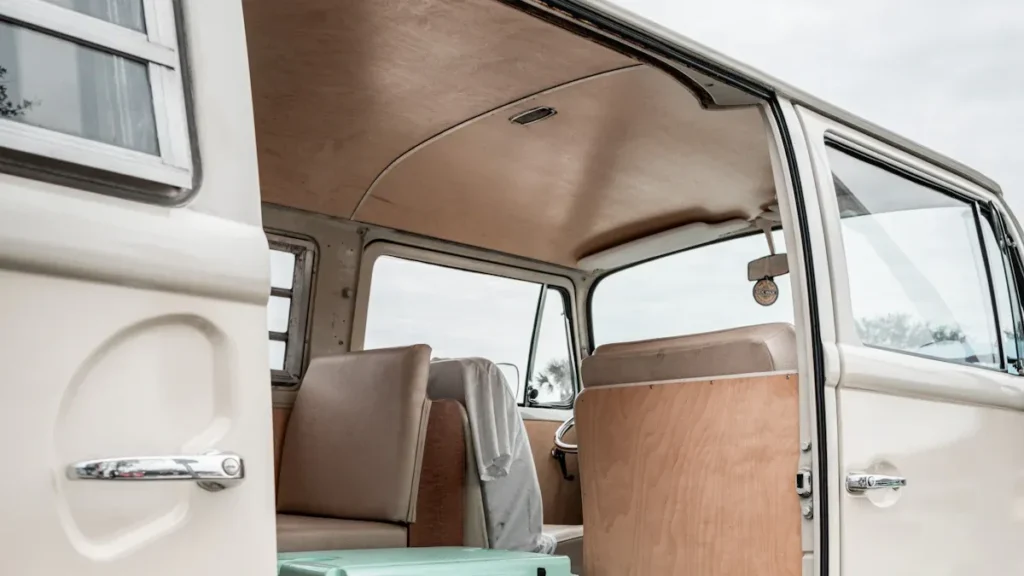
You want your RV and all your things to be safe. Choosing a strong rv door lock is important. Deadbolt locks give very good protection. Cam and paddle locks are easy to use and last a long time. Electronic locks let you open doors with a code or remote. This is very handy. Think about your RV door and what you need most. You might want anti-pick features or weatherproof materials. Check your lock often and upgrade it to keep it working well.
Key Takeaways
Pick locks that use strong materials like stainless steel or brass. These materials last a long time and can handle bad weather. – Choose deadbolt locks because they keep your RV safer. Deadbolts are harder to break into than latches. – Check your locks often for damage or signs someone tried to break in. This helps your locks work well and keeps you safe. – You can also look at electronic or biometric locks. These locks are easier to use and have more safety features. – Always measure your RV door before you buy a lock. This makes sure the lock fits right and is easy to put on.
Choosing the Right RV Door Lock
When you look for the best rv door lock, you want to make sure it fits your needs and your RV. There are many choices out there, but not every lock works for every RV. Let’s break down the main types so you can pick the right one.
Mechanical vs. Electronic Locks
Mechanical locks are the classic choice. You use a key to open them. They are simple and don’t need batteries. Many RV owners like them because they are easy to fix and last a long time. But mechanical locks can be easier for thieves to break. In fact, most RV burglaries happen because someone can pick or force a mechanical lock.
Electronic locks give you more security. You can open them with a code, a remote, or even a smartphone. These locks make it harder for someone to break in. You don’t have to worry about losing your keys. Electronic locks also let you change the code if you think someone else knows it. Studies show that electronic and biometric systems lower the risk of break-ins by over 80%. That’s a big difference.
Tip: If you want extra protection, electronic locks are a smart upgrade. You get more control and peace of mind.
Biometric Lock Options
Biometric locks are a high-tech solution for RV owners who want top security. These locks use fingerprint recognition. Only people whose fingerprints are saved in the system can open the door. You don’t need keys or codes. This makes it almost impossible for someone to get in without your permission.
Biometric locks are becoming more popular with RV owners. They offer strong protection and make life easier. You don’t have to worry about losing keys or forgetting codes. If you want the latest technology, biometric locks are a great choice.
Biometric locks use fingerprint scanning for access.
Only authorized users can open the RV door.
These locks lower the risk of someone breaking in compared to regular locks.
Many RV owners now choose biometric locks for better security.
Matching Your Lock to Your RV Door
Not every rv door lock fits every RV. You need to check a few things before you buy:
Look at where your door hinges are. Some locks only work with certain hinge setups.
Measure your door opening. Most locks fit doors that are about 3.75 inches high, 2.75 inches wide, and 1.5 inches deep.
Compare your current lock with new options. Try to find one that looks similar so it fits well and works right.
If you match the lock to your RV door, you avoid problems with installation and make sure your rv door locks work smoothly. You get the security you need without any hassle.
Note: Always double-check the size and style before you buy a new lock. This saves you time and trouble later.
Lock Material and Build
High-Quality Metals
When you pick an RV door lock, you want it to last. The metal used in your lock matters a lot. Some metals stand up to weather and wear better than others. Stainless steel and brass are two top choices for RV locks. Stainless steel resists rust and corrosion. Brass looks nice and works well in many lock sets. You can see how these metals compare in the table below:
Metal Type | Properties |
|---|---|
Stainless Steel | Durable, rust and corrosion resistant |
Brass | Commonly used in some lock sets |
Locks made from forged steel or zinc alloy give you strong protection. Heavy-duty cast iron and stainless steel can handle cutting, drilling, and impact. You get a lock that stands up to tough conditions and keeps your RV safe. Here are some benefits of high-quality metals:
Solid stainless steel construction means your lock won’t rust easily.
Premium materials offer superior durability.
Heavy-duty metals resist forced entry and tampering.
Zinc alloy and cast iron add extra strength.
If you want a lock that lasts, look for these metals in the product description.
Weatherproof Features
Your RV faces rain, dust, and sometimes snow. You need a lock that can handle all kinds of weather. Weatherproof features keep your lock working, even in extreme climates. Look for locks with a high IP rating. IP5 or higher means your lock resists water and dust. Drainage grooves help water flow out, so it doesn’t freeze or cause rust. Certified silicone gaskets seal electronic locks and protect sensitive parts.
Feature | Description |
|---|---|
IP Rating | Resists water and dust; IP5 or higher is best for storms |
Drainage Groove Design | Stops water from getting trapped, lowers risk of rust and freezing |
Silicone Gaskets | Keeps electronic locks watertight |
Maintenance Protocol | Cleaning and oiling your lock helps prevent rust and keeps it working well |
Tip: Clean and lubricate your lock often. This simple step helps your lock last longer and keeps it working smoothly.
Security Mechanisms
Deadbolt vs. Latch
When you look at RV security, the type of locking mechanism matters a lot. Deadbolts and latches work in different ways. Deadbolts give you stronger protection. They resist tampering and can handle forced entry better than latches. Latches are easier to open with tools, so they work best for less important doors.
Here’s a quick comparison to help you see the difference:
Mechanism Type | Security Level | Suitability for RV Doors |
|---|---|---|
Deadbolt | Superior | Highly suitable |
Latch | Basic | Less suitable |
Deadbolts: Built to stop tampering and forced entry. Great for main RV doors.
Latches: Easier to bypass. Use them for storage or inside doors.
If you want your rv door lock to keep you safe, pick a deadbolt for your main entry. You get peace of mind knowing your RV is harder to break into.
Anti-Pick and Tamper Resistance
You want rv door locks that stop thieves from picking or breaking them. Some features make a big difference. Deadbolts add another layer of security. Locks made with hardened steel stand up to physical attacks. Tubular keys are harder to pick than regular keys. Some locks have an integrated deadbolt for extra protection, but remember to check and maintain it so it works well.
Modern locks, like Bluetooth electronic locks, give you both convenience and strong protection. If you want the latest in security, you can even choose a biometric lock. These use your fingerprint, so only you and people you trust can get in.
Hardened steel construction keeps your lock tough.
Tubular keys and integrated deadbolts make picking harder.
Bluetooth and biometric options offer modern, reliable security.
Tip: Always check your lock for signs of tampering. A quick look can help you spot problems before they get worse.
Advanced Features for RV Door Locks
Keyless Entry Systems
You might want to skip keys and use a keypad or your phone to unlock your RV. Keyless entry systems make life easier and safer. You can set your own code or use Bluetooth to open the door. Some locks even let you unlock the door when you walk up to it. These systems work well for families and people who travel a lot.
The Bauer EM Bluetooth Keyless RV Entry Door Lock is noted for its ease of installation, backup keys, and battery-saving modes. It is described as durable and ideal for families or frequent travelers. The Bauer NE Bluetooth Keyless RV Entry Door Lock features advanced security with encrypted communication, a proximity mode for automatic unlocking, and a user-friendly app for managing settings and access history.
Keyless entry systems often come with advanced security features. You can change your code anytime. If someone tries to guess your code, the lock can sound an alarm. You get more control and less worry about lost keys.
Dimple Keyways and Security Nut Bolts
You want your RV door lock to be tough to pick. Dimple keyways make it harder for thieves to break in. These locks use special keys with dimples instead of cuts. Most people find them easy to use, but hard for others to copy. Security nut bolts add another layer of protection. They hold the lock tight and stop people from removing it with simple tools.
Here’s a quick table to show how these features help:
Feature | Benefit |
|---|---|
Dimple Keyway | Harder to pick |
Security Nut Bolts | Stops lock removal |
If you want a high-tech solution, you can choose a lock with biometric access. This means only people with approved fingerprints can open the door.
Alarm Integration
You can add alarms to your RV door lock for extra safety. If someone tries to open the door without permission, the alarm will sound. This scares off thieves and lets you know right away. Some locks connect to your phone, so you get alerts even when you are away from your RV.
Many keypad locks now include alarm features. You get both easy access and strong protection. Alarm integration works well with other advanced security features, giving you peace of mind wherever you travel.
Installation and Compatibility
Fitting Your RV Door Lock
Getting the right fit for your RV door lock can make a big difference in how secure your RV feels. You want a lock that matches your door’s size and style. If you pick a lock that doesn’t fit well, you might see gaps around the edges. These gaps can make your RV easier to break into and let in dust or rain. Some RV owners run into trouble when the lock doesn’t line up with the latch or the holes in the door. You might try to reach out to customer support, but sometimes it’s hard to get help. One suggestion you might hear is to use silicone caulking to fill the gaps. Many people find this solution unsatisfying because it doesn’t fix the real problem.
Here are some common challenges you could face when fitting a new RV door lock:
The lock doesn’t fit snugly, leaving gaps.
You struggle to get help from customer support.
You get advice to use silicone caulking, but it doesn’t solve the issue.
If you want to avoid these problems, measure your door carefully before you buy a new lock. Check the manufacturer’s instructions and compare them to your RV’s door. You can also look for locks that come with adjustable plates or extra hardware for a better fit.
DIY vs. Professional Installation
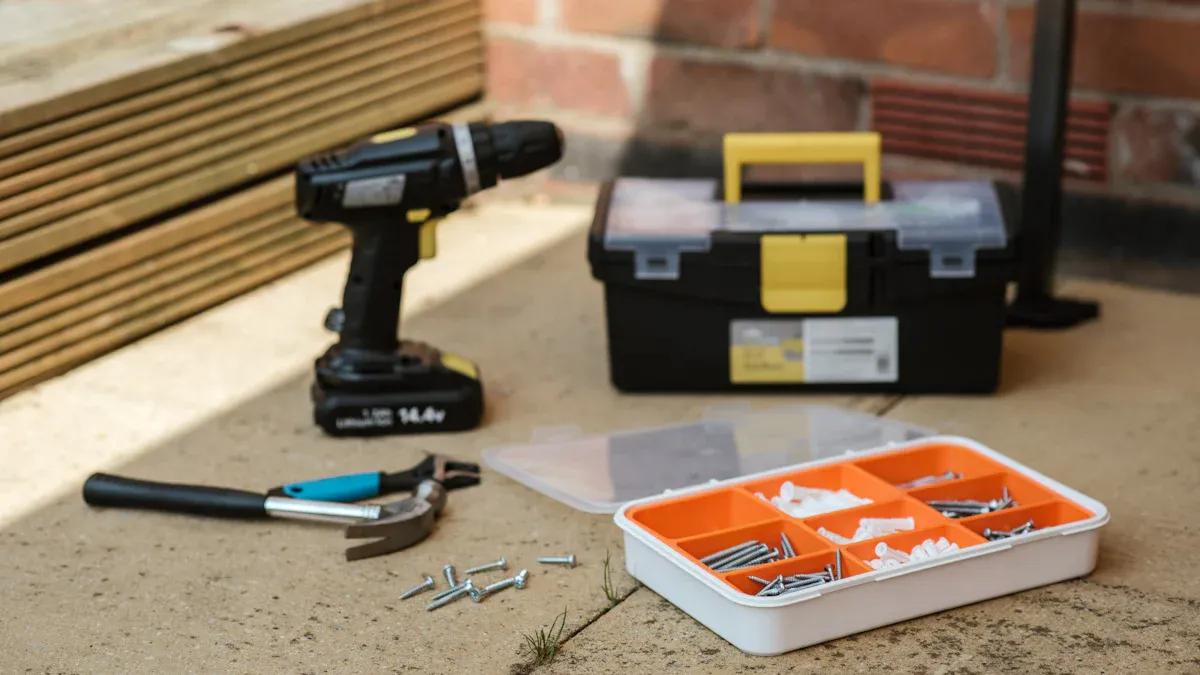
You might wonder if you should install your RV door lock yourself or call a professional. If you enjoy hands-on projects, you can try a DIY installation. Many locks, especially those with a keypad, come with step-by-step guides. You just need basic tools like a screwdriver and a drill. DIY saves money and gives you a sense of accomplishment.
If you choose a high-tech solution, like a biometric or smart lock, you may want expert help. Professionals know how to wire electronic parts and make sure everything works smoothly. They can also spot problems that you might miss. If you’re not confident with tools or want the job done quickly, hiring a pro is a smart move.
Tip: Always test your new lock several times after installation. Make sure it opens and closes smoothly before you hit the road.
Maintenance and Upgrades
Regular Lock Checks
You want your RV to stay safe, so regular lock checks are a must. Monthly inspections help you catch problems early. When you check your locks, look for signs of tampering or weather damage. Make sure every lock and latch works the way it should.
Here’s a quick list to guide you:
Inspect your locks every month.
Watch for any signs of tampering.
Check for rust, water spots, or other weather damage.
Test all locks and latches to see if they open and close smoothly.
You can also follow some best practices to keep your locks in top shape. Take a look at this table:
Best Practice | Description |
|---|---|
Check screws regularly | Make sure screws stay tight and secure. Loose screws can cause problems. |
Rekey for security | Rekey old locks to boost security, especially if you’ve had your RV a while. |
Address vibration issues | RVs shake on the road. Glue screws if needed to keep them from loosening. |
Tip: A quick check each month can save you from bigger headaches later. You’ll feel more confident every time you lock up.
When to Upgrade Your RV Door Lock
Sometimes, your old lock just doesn’t cut it anymore. You might notice the lock sticks or doesn’t latch right. Some RV owners have dealt with mechanical failures that left them locked in or out. Keyless locks can fail too, especially if the battery dies or the key fob stops working.
Here are some signs it’s time for an upgrade:
Your lock fails or feels unreliable.
You get locked in or out because of a faulty lock.
The battery or key fob for your keyless lock gives you trouble.
Many RV owners upgrade for better security. Factory locks often use the same key, so someone else could open your door. Upgrading to a new rv door lock or a keyless entry system gives you more peace of mind and makes life easier.
Note: If you worry about your lock’s security or have had problems, don’t wait. Upgrading now can help you avoid bigger problems down the road.
Evaluating and Comparing RV Door Locks
Reviews and Ratings
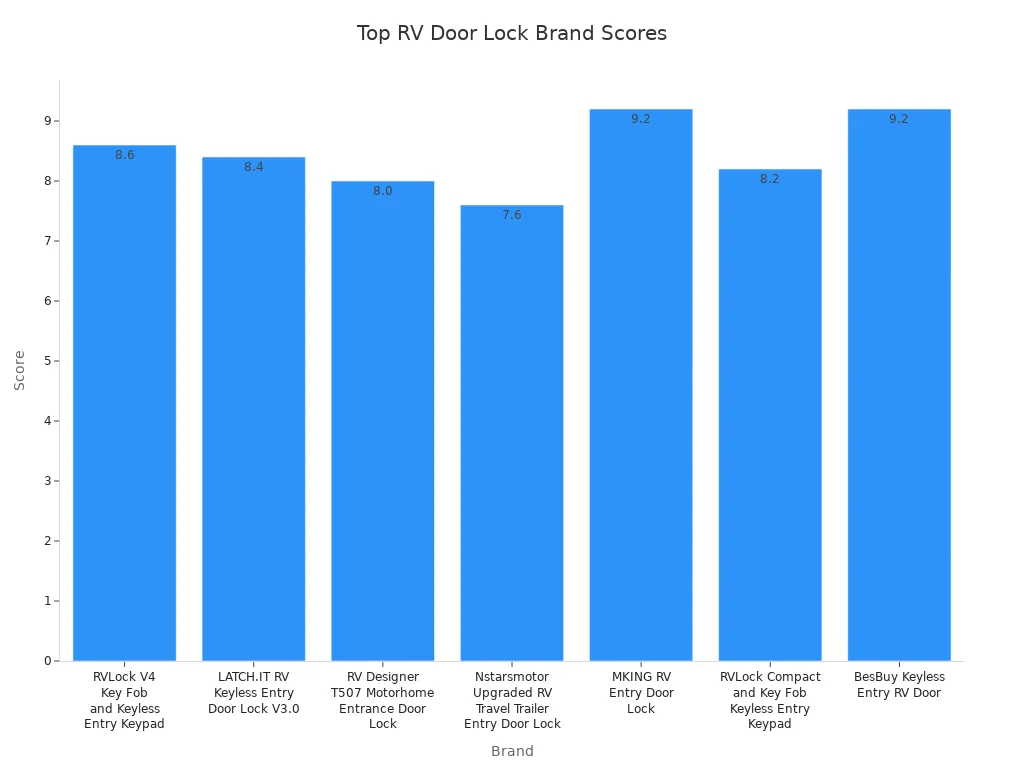
When you shop for rv door locks, you want to know what other people think. Reviews and ratings help you see which brands stand out. You can compare expert opinions and real user experiences. Take a look at this table to see how top brands score:
Rank | Brand | Score |
|---|---|---|
1 | RVLock V4 Key Fob and Keyless Entry Keypad | 8.6 |
2 | LATCH.IT RV Keyless Entry Door Lock V3.0 | 8.4 |
3 | RV Designer T507 Motorhome Entrance Door Lock | 8.0 |
4 | Nstarsmotor Upgraded RV Travel Trailer Entry Door Lock | 7.6 |
5 | MKING RV Entry Door Lock | 9.2 |
6 | RVLock Compact and Key Fob Keyless Entry Keypad | 8.2 |
7 | BesBuy Keyless Entry RV Door | 9.2 |
You can also see the scores in this chart. It gives you a quick way to spot the best options.
Tip: Always read both expert and user reviews. You get a better idea of how a lock works in real life.
Certifications and Standards
You want your lock to meet strong safety standards. Look for these important certifications and features:
ISO-certified production means the lock was made with high-quality controls.
ANSI/BHMA Grade 2 performance gives you a good balance of security and durability.
IP rating of 5 or higher shows the lock can handle storms, dust, and water.
These standards help you pick a lock that lasts and keeps your RV safe.
Price vs. Security
You might wonder if paying more really gets you better protection. In most cases, higher-priced locks offer stronger materials and advanced features. You get things like better deadbolts, smart keypad access, and tougher build quality. These upgrades make it harder for thieves to break in. When you invest in a quality lock, you protect your RV and your peace of mind.
Decision Checklist
Essential Security Features
You want your RV to be safe all the time. Before buying, check if the lock has what you need. Use this table to compare different lock choices:
Lock Type | Features | Ideal For |
|---|---|---|
Keyless Entry Locks | No keys needed, easy for families | RVers who want convenience |
Digital and Smart Locks | Remote access, activity logs, temporary codes | Tech-savvy travelers |
RV Baggage Door Locks | Secures storage compartments | Protecting gear and supplies |
RV Compartment Locks | Fits smaller exterior compartments | Extra security for valuables |
RV Cargo Door Locks | Strong mechanisms for large cargo areas | Keeping big items safe |
Compatibility | Fits your RV’s door cutout and dimensions | Smooth installation |
Security Level | High-security options for maximum protection | Safety-focused RVers |
Ease of Installation | DIY kits or professional help available | User convenience |
Budget | Features vs. cost | Smart purchase decisions |
Here’s a quick checklist you can use:
Think about where you travel most.
Pick locks that last in bad weather.
Choose designs that are easy to use.
Make sure the lock fits your RV door.
Look for extras like alarms or remote access.
Balance your budget with the features you want.
Tip: The best rv door locks keep your RV safe and are easy to use.
Personal Needs
How you travel helps you pick the right lock. You might want a simple lock or one with smart features. Use this table to help you choose:
Factor | Description |
|---|---|
Compatibility | Fits your RV door’s cutout |
Security Level | Basic or advanced protection |
Ease of Installation | DIY or professional setup |
Features | Keyless entry, remote access, or mechanical |
Budget | Price changes with features |
Ask yourself these questions before you buy:
Do you want to install the lock yourself?
Is remote access important for you?
How much do you want to spend?
Will you need to lock storage or cargo areas?
Longevity and Maintenance
You want your lock to work for a long time. Taking care of it helps a lot. Try these tips:
Clean your lock with mild soapy water.
Check for dust, grime, or debris.
Inspect for wear and tear every month.
Change batteries in electronic locks before they die.
Fix problems early so you don’t get locked out.
Note: A little care keeps your RV safe and helps you avoid trouble on trips.
You want your RV to stay safe wherever you go. Remember these top tips when you pick a new rv door lock:
Choose strong materials and weatherproof features.
Look for deadbolts and anti-pick designs.
Check reviews and certifications before you buy.
Keep your lock clean and test it often.
Use the checklist to find the best lock for your needs. Upgrade your lock and travel with peace of mind!
FAQ
How often should you check your RV door lock?
You should check your lock every month. Look for rust, loose screws, or signs of tampering. Regular checks help you catch problems early and keep your RV safe.
Can you install an RV door lock by yourself?
Yes, you can! Most locks come with instructions. You just need basic tools like a screwdriver. If you pick a smart lock, you might want help from a pro.
What do you do if your RV lock freezes in winter?
Spray a lock de-icer or use a hair dryer to warm the lock. Never force the key. You can also cover the lock with tape before cold weather hits.
Are all RV door locks the same size?
No, they aren’t. RV doors come in different sizes. Always measure your door and check the lock’s specs before you buy.
What’s the best way to keep your RV lock working smoothly?
Tip: Clean your lock with mild soap and water. Lubricate it with graphite or silicone spray. Avoid using oil, which can attract dirt.
