
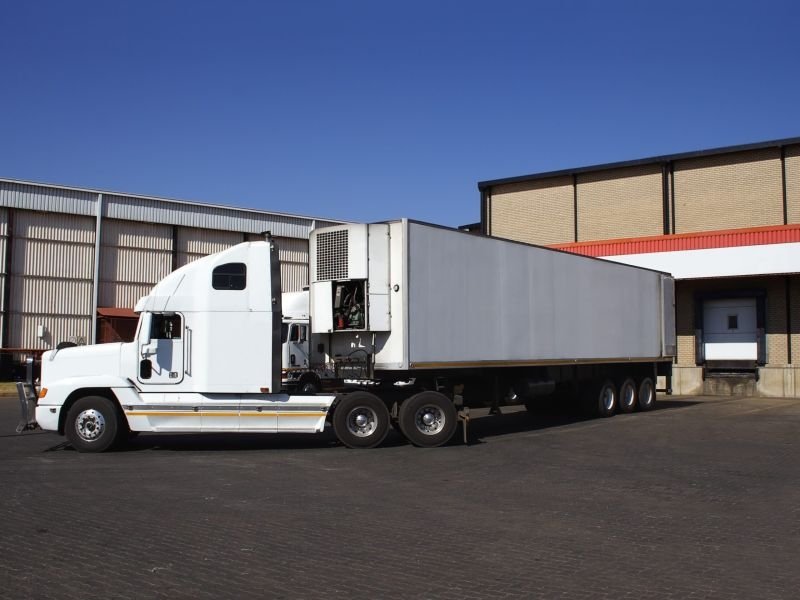
You can improve commercial trailer security by using strong locks, training your team, and choosing safe parking spots. Thieves target trailers and cargo near busy logistics hubs, causing huge losses.
Cargo theft costs businesses over $6.6 billion each year.
Most stolen cargo never returns to owners.
The average value per theft keeps rising.
Kinntoo RV hitch locks provide advanced protection for your trailer. You help prevent cargo theft and safeguard your assets when you invest in reliable security solutions.
Key Takeaways
Invest in strong locks like Kinntoo RV hitch locks to secure your trailer and deter thieves.
Use GPS tracking systems to monitor your trailer’s location in real time and recover stolen assets quickly.
Train your team regularly on secure parking practices and theft prevention strategies to enhance overall security.
Choose well-lit and secure parking areas to reduce the risk of theft when your trailer is unattended.
Implement multiple layers of security, including alarms and surveillance cameras, to create a strong defense against theft.
Commercial Trailer Security Risks
Types of Theft
You face several trailer theft risks when you operate commercial trailers. Thieves target high-value cargo using different tactics. The most common types of theft include:
Straight theft: Criminals steal cargo directly from parked commercial trailers or warehouses.
Pilferage: Thieves remove small amounts of cargo, often going unnoticed until delivery.
Burglary: Criminals break into trailers in secure areas to access valuable goods.
Hijacking: Thieves take control of entire trucks, sometimes using force against drivers.
Fraud: Criminals pose as legitimate transporters to steal cargo through deception.
You also need to watch for insider threats. Employees with access to sensitive information can help thieves bypass security. Leakage operations, where criminals slowly remove goods from shipments, are another risk.
Methods Used by Thieves
Thieves use many methods to steal from commercial trailers. Some rely on physical force, while others use technology or deception. Common methods include:
Physically stealing cargo from unattended locations like truck stops and parking lots.
Using fake identities or fraudulent pick-ups to trick you into handing over cargo.
Employing GPS jammers to disable tracking devices on trailers.
Launching cyber attacks, such as phishing, to access delivery information.
Pilfering small items during brief stops or even while the vehicle is moving.
You may also encounter thieves who create false emergencies to stop drivers and steal cargo. Sometimes, accomplices wait nearby to collect stolen goods quickly.
Tip: Always verify the identity of anyone picking up high-value cargo and monitor your trailer’s location in real time.
High-Risk Areas
Certain regions see more theft activity than others. You should pay extra attention when operating in these areas:
Geographic Area | Theft Increase (%) |
|---|---|
New York City Metro | Significant surge |
New Jersey | 110 |
Pennsylvania | 33 |
California | 11 |
Texas | 12 |
Busy logistics hubs, unsecured parking lots, and storage facilities in these regions present the highest risks for commercial trailers. You can reduce theft by choosing secure parking and using advanced locks.
Physical Security Solutions
You can greatly reduce the risk of cargo loss by investing in strong physical security measures. Thieves often look for easy targets, so visible deterrents and robust hardware make your trailer less attractive. When you combine multiple layers of protection, you create a strong defense against theft.
Kinntoo RV Hitch Locks
Kinntoo RV hitch locks set a high standard for trailer security. These locks secure the connection between your trailer and towing vehicle, making unauthorized removal much harder. You benefit from advanced engineering and strict quality control. The table below highlights key features that make Kinntoo RV hitch locks effective:
Feature | Description |
|---|---|
Cycle Life | Tested to over 100,000 cycles |
Environmental Testing | Operates in temperatures from -40°C to 80°C |
Vibration Testing | Designed to resist vibrations |
Salt-Spray Test | Endures a 96-hour salt-spray test |
Quality Assurance | 4-Stage Quality Assurance process |
Kinntoo uses hardened steel and advanced locking mechanisms, such as deadbolts and unique key codes. These features help prevent forced entry and tampering. You should avoid locks made from thin materials, as they offer less protection. When you choose Kinntoo, you invest in a product that stands up to harsh weather and repeated use.
Tip: Always check that your hitch lock fits your coupler size and inspect it regularly for signs of wear.
Coupler and Kingpin Locks
Coupler and kingpin locks add another layer of physical security to your trailer. You use coupler locks for ball hitches on bumper-pull trailers. Kingpin locks protect the vertical pin on semi-trailers and fifth wheels. Both types focus on material strength and durability.
Kingpin locks resist cutting, drilling, and even extreme attempts with torches or liquid nitrogen. Many feature a push-and-lock mechanism for quick securing.
Coupler locks secure the ball hitch and come in various designs. Some may not resist heavy-duty theft attempts as well as kingpin locks, but they still provide a strong deterrent.
When you use both types of locks, you make it much harder for thieves to drive off with your trailer. Always choose locks made from high-strength materials for the best results.
Wheel Locks and Landing Gear Protection
Wheel locks and landing gear locks play a vital role in trailer security. Wheel locks, also called wheel clamps, immobilize your trailer and serve as a strong visual deterrent. You can also use locking lug nuts to make wheel removal more difficult.
Wheel clamps prevent movement and signal to thieves that your trailer is protected.
Landing gear locks secure trailers when unhitched, stopping unauthorized movement. These locks are simple to use and highly effective.
High-security lock systems can prevent up to 60% of theft attempts by making unauthorized access time-consuming and difficult. Many major trucking fleets and retail chains trust these solutions to protect their cargo.
Note: Regularly inspect your wheel and landing gear locks for damage or tampering. Replace any worn parts to maintain maximum protection.
Secure Parking and Lighting
Where you park your trailer matters as much as the locks you use. Secure parking and proper lighting form the foundation of physical security. Well-lit areas reduce hiding spots and make it riskier for criminals to operate. The table below shows how lighting impacts safety:
Evidence | Explanation |
|---|---|
Security lighting reduces hiding spots | Makes it riskier for criminals to operate unseen |
Well-lit areas deter thieves | Eliminates shadows where criminals could hide |
Proper lighting influences safety | Enhances overall security of the parking facility |
You should always choose parking locations with good lighting and, if possible, security cameras. Adequate lighting acts as a first line of defense and helps deter thieves before they even approach your trailer.
Tip: Park in secure lots with controlled access whenever possible. Position your trailer so that doors and hitches face high-traffic or visible areas.
By combining these physical security solutions, you create a strong barrier against theft. Each layer—locks, clamps, and secure parking—works together to protect your cargo and give you peace of mind.
Technology for Preventing Cargo Theft

Modern technology gives you powerful tools to protect your commercial trailers and cargo. You can use asset monitoring systems to track shipments, detect tampering, and respond quickly to threats. These solutions help you stay one step ahead of thieves and reduce losses.
GPS Tracking
GPS tracking is a key part of asset monitoring for commercial trailers. You can see your trailer’s location at any time, which helps you respond quickly if theft occurs. Real-time tracking lets you follow your cargo as it moves, giving you peace of mind and control.
Benefit | Description |
|---|---|
Location Visibility | You know exactly where your trailer is at all times. |
Theft Recovery | Law enforcement can use GPS data to recover stolen trailers faster. |
Route Oversight | You monitor shipping routes and spot any unexpected changes. |
Geofencing Alerts | You get notified when your trailer enters or leaves high-risk areas. |
If someone steals your trailer, you can check your asset monitoring platform for its last known location. You notify law enforcement and share access to the tracking system. This process helps you recover stolen cargo and reduces financial losses.
Tip: Set up geofences around high-risk zones. You receive instant alerts if your trailer crosses these boundaries.
Telematics and Alarms
Telematics systems combine asset monitoring with anti-theft systems to keep your cargo safe. You track vehicle locations, monitor movement, and receive alerts for suspicious activity. These systems help you catch thieves in the act and respond quickly.
You monitor your fleet in real time and spot route deviations.
Automated alerts notify you of after-hours movement or geofence breaches.
Some anti-theft systems allow remote immobilization, stopping thieves from driving away.
You share tracking information with authorities to help recover stolen assets.
Feature | Description |
|---|---|
Route deviations | Alerts you when the trailer leaves its expected path. |
After-hours movement | Detects motion outside normal operating hours. |
Fuel anomalies | Sudden drops in fuel levels may signal theft. |
Geofence breaches | Notifies you if the trailer exits a designated zone. |
Remote immobilization | Lets you stop the vehicle remotely. |
Instant alerts | Sends notifications for quick response. |
GPS tracking | Provides exact location for recovery. |
Alarm systems add another layer of protection. Sensors on doors and windows trigger loud sirens if someone tries to break in. You can arm or disarm these systems remotely and receive notifications on your phone. The noise scares off thieves and alerts people nearby, increasing the chance of intervention.
Note: Regularly test your anti-theft systems and update software to keep your asset monitoring tools working at their best.
Surveillance Cameras
Surveillance cameras play a major role in asset monitoring and crime prevention. You use video surveillance to watch over your trailers and parking areas. The visible presence of cameras discourages thieves, who know their actions are being recorded.
Surveillance cameras help you track activities at loading docks, construction sites, and events.
You can review footage to investigate suspicious incidents or theft attempts.
Mobile security trailers with cameras act as a strong deterrent against crime.
Preventing theft before it happens saves you time and money.
Tip: Place cameras in well-lit areas and make sure they cover all entry points. Regularly check that your video surveillance system is recording and storing footage properly.
By combining GPS tracking, telematics, alarms, and video surveillance, you create a strong defense against cargo theft. These technologies work together to give you real-time tracking, instant alerts, and clear evidence if a crime occurs. You protect your assets and improve your chances of recovering stolen cargo.
Operational Best Practices
Driver Training
You play a key role in preventing theft by investing in driver training. Well-trained drivers know how to secure loads and follow safety rules. They learn defensive driving skills, which help them react to hazards and avoid risky situations. Training also covers federal regulations, so your team understands legal requirements for cargo security. When you teach drivers about theft prevention, you protect both your assets and public safety.
Drivers learn how to secure cargo and check locks before leaving.
Defensive driving helps avoid dangerous situations that could lead to theft.
Regular training keeps everyone updated on new threats and best practices.
Tip: Schedule refresher courses every year to keep your team sharp and aware of the latest theft tactics.
Secure Procedures
You reduce the risk of theft by following secure procedures every day. Start by choosing safe parking locations and using GPS tracking to monitor shipments. Train your drivers to recognize suspicious activity and avoid predictable routes. High-security locks and seals, such as those from a cargo security program, add another layer of protection.
Security Measure | Description |
|---|---|
Cargo Screening | Inspect shipments with advanced technology before transport. |
Access Control | Limit who can enter cargo areas. |
Surveillance | Use cameras to watch over cargo and parking zones. |
Secure Facilities | Store cargo in buildings designed to prevent unauthorized access. |
Continuous Review | Update your procedures as new theft threats appear. |
You should also inspect containers before loading and use proper labels to guide handlers. Good warehouse conditions, like ventilation and space management, help keep cargo safe.
Cargo Documentation
Accurate cargo documentation is essential for theft prevention and recovery. You need to record details such as time, location, vehicle information, and cargo type. If theft occurs, quick and accurate reporting helps law enforcement recover your assets. Sharing theft information with industry peers raises awareness and helps prevent future incidents.
Keep records up to date for every shipment.
Report theft incidents as soon as possible.
Notify others in your network about theft hotspots or fraud tactics.
Note: Good documentation supports investigations and helps you build stronger security strategies.
Insurance and Financial Protection
Coverage Options
You protect your business by choosing the right insurance for your trailers and cargo. Insurance helps you recover losses from theft, damage, or accidents. You find several coverage options available:
Commercial Cargo Insurance covers goods during transport. You receive financial protection if theft, damage, or accidents occur.
Theft Protection pays for losses when someone steals your freight, especially in unsecured areas.
Damage in Transit shields you from costs caused by collisions, severe weather, or other risks.
Commercial Trailer Insurance protects your trailer from threats like theft and vandalism.
Comprehensive Coverage pays for non-collision damage, including theft or natural disasters.
Collision Coverage helps you recover from damage caused by accidents, no matter who is at fault.
Tip: Review your policy details to make sure you have coverage for both your trailer and the cargo inside.
Working with Providers
You work with insurance providers to find the best protection for your fleet. Providers look at several factors before setting your premium. The table below shows what they consider:
Factor | Description |
|---|---|
Real-time monitoring | Tracks trailer health and spots problems early. |
Driver records | Reviews your drivers’ history for risk assessment. |
Vehicle value | Considers the market value of your trailer. |
Operating radius | Looks at where your trailer travels to measure risk. |
Cargo type | Assesses what you transport and its risk level. |
Maintenance history | Checks how well you maintain your trailer. |
Operational risks | Evaluates risks from your daily operations. |
You lower your premiums by using advanced security measures, such as GPS tracking and Kinntoo RV hitch locks. Providers reward you for reducing risk and keeping your assets safe.
Claims Process
You act quickly if theft happens. Follow these steps to recover your losses:
File a Police Report Right Away. Give law enforcement details like VIN, license plate, make, model, color, and any unique identifiers.
Contact Your Insurance Provider. Notify your insurer within 24–48 hours. Share your police report number and any evidence you have.
Wait for Insurance Payout. Insurance companies usually wait 30 days before paying out for a stolen trailer.
Note: Keep all records organized and respond to requests from your provider. Fast action helps you recover your losses and get back to business.
Responding to Theft
Immediate Actions
You must act quickly when you discover trailer theft. Fast response increases your chance of recovering your assets and reduces financial loss. Follow these steps to handle the situation:
Contact your dispatcher or driver manager to assess what happened.
If your vehicle is missing, call local authorities and check with impound lots.
Report the theft to law enforcement if you confirm cargo is stolen.
Review your insurance coverage to understand what is protected.
Tip: Always contact local law enforcement and your insurance provider as soon as possible. Quick reporting helps investigators start their work and supports your claim process.
Law Enforcement
You rely on law enforcement to investigate and recover stolen trailers and cargo. Agencies work together to fight theft and catch criminals. You benefit when federal, state, and local teams share information and resources. Strong coordination helps track organized crime and spot patterns in theft cases.
Law enforcement improves legal definitions and reporting rules to keep up with new theft tactics.
Agencies provide resources for investigating and prosecuting complex theft rings.
You help by giving clear details about your trailer, cargo, and any suspicious activity.
Note: Accurate records and fast communication with police make it easier for them to recover your property.
Recovery Strategies
You use several strategies to recover stolen trailers and cargo. Real-time monitoring lets you know where your trailer is at all times. You set up geofencing alerts to get notified if your trailer moves unexpectedly. These tools help you respond quickly and share information with law enforcement.
Strategy | Benefit |
|---|---|
Real-Time Monitoring | Track trailer location instantly |
Geofencing Alerts | Receive notifications for unauthorized moves |
Operational Efficiency | Optimize routes and reduce downtime |
Commercial cargo theft costs trucking and logistics companies $6.6 billion each year. You protect your business by using technology and strong procedures to recover assets and prevent future theft. Opportunistic thieves target unlocked trailers, while professional thieves plan their attacks. You lower risk by securing your trailer and using advanced tracking systems.
Callout: Review your recovery plan regularly and update your technology to stay ahead of new theft tactics.
You protect your trailers and cargo best when you use strong locks, GPS tracking, and regular staff training. Combining these methods creates a solid defense against theft.
Assess your site for weak spots.
Train your team on secure parking and locking procedures.
Use advanced locks like kinntoo RV hitch locks.
Install cameras and alarms for extra protection.
Review your security often and update your strategies. Take action now to keep your assets safe and your business running smoothly.
FAQ
How do Kinntoo RV hitch locks help prevent trailer theft?
Kinntoo RV hitch locks secure the connection between your trailer and towing vehicle. You block unauthorized removal and make theft attempts much harder.
Tip: Always check your lock for damage before parking in public areas.
What other physical security devices should you use with hitch locks?
You should use wheel clamps, kingpin locks, and landing gear locks. These devices add extra layers of protection and deter thieves.
Device | Purpose |
|---|---|
Wheel Clamp | Stops trailer movement |
Kingpin Lock | Secures fifth wheels |
Can GPS tracking help recover stolen trailers?
Yes. You track your trailer’s location in real time. Law enforcement uses GPS data to find and recover stolen assets quickly.
Note: Set up geofencing alerts for high-risk zones.
How often should you inspect your trailer security equipment?
You should inspect locks, clamps, and alarms before every trip. Regular checks help you spot wear or tampering early.
Check for rust
Test lock function
Replace damaged parts
