
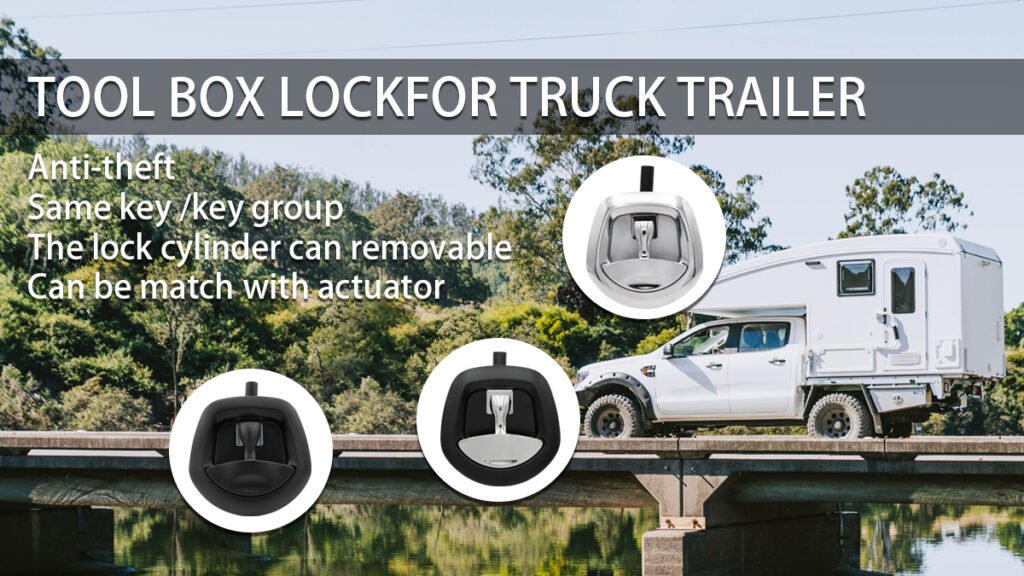
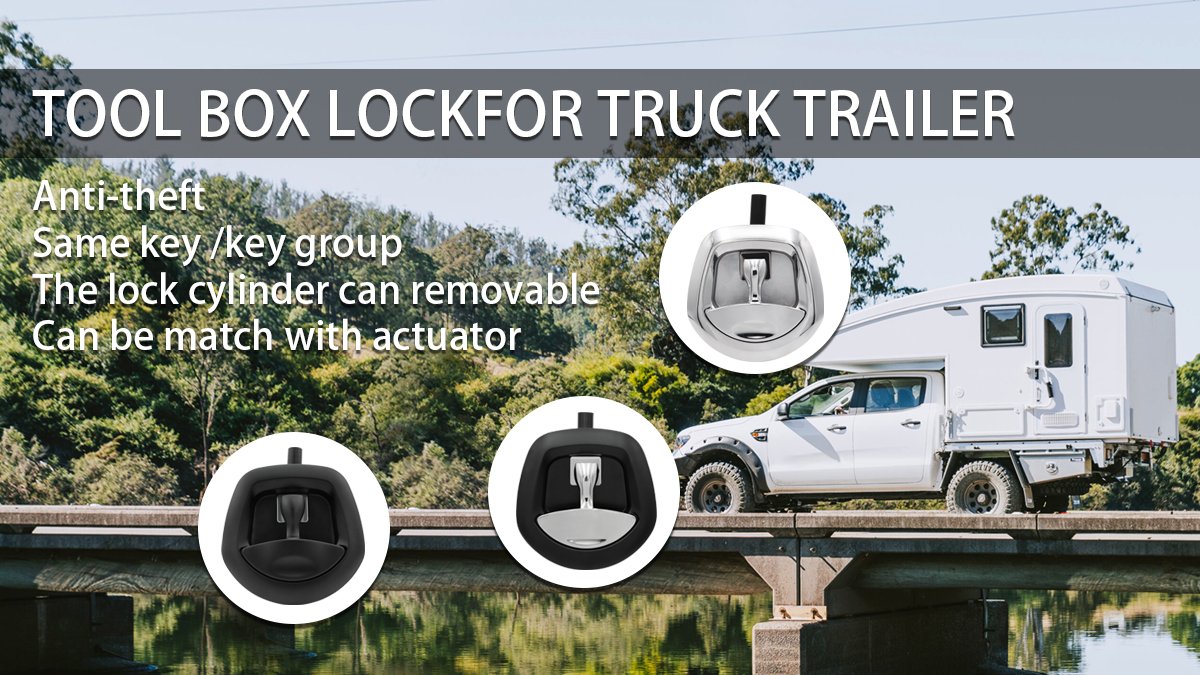
You can install rv outside storage locks without specialized skills or tools. Many RV owners wonder if a reliable rv door lock truly improves security or if determined individuals can bypass any lock. You should always select rv compartment door locks that meet your needs and follow safety guidelines, especially for compartments like propane doors. Kinntoo rv paddle locks offer a dependable solution, making installation easy and enhancing your peace of mind.
Key Takeaways
Installing RV outside storage locks is simple and requires basic tools like screwdrivers and a power drill.
Choose high-quality locks, like Kinntoo RV paddle locks, for durability and weather resistance to protect your belongings.
Always measure your compartment door’s size and thickness to ensure a proper fit for your new lock.
Regular maintenance, such as cleaning and lubricating locks, extends their lifespan and keeps your RV secure.
Address any issues with locks immediately to maintain security and avoid lockouts during your travels.
Tools and materials for rv outside storage locks
Essential tools for installation
You can complete most rv lock replacement projects with a few basic tools. Gather these items before you start:
Phillips and flathead screwdrivers
Power drill with assorted bits
Tape measure or ruler
Pencil or marker for marking holes
Safety gloves and protective eyewear
Clean cloth or rag for wiping surfaces
If you plan to install kinntoo rv paddle locks, you may also need a small wrench or socket set for tightening nuts. Always check the lock’s installation guide for any special tools required. Using quality tools helps you avoid damaging your RV’s exterior and ensures a secure fit for your new rv cargo door locks.
Tip: Lay out all your tools and materials before starting. This step saves time and helps you avoid searching for missing items during installation.
Materials and lock types overview
Selecting the right lock type and material is important for long-term security. Kinntoo rv paddle locks offer a reliable solution for most storage compartments, entry doors, and cargo panels. When choosing a lock, consider the material’s durability and resistance to weather.
Here’s a quick comparison of common materials used in RV locks:
Material | Durability Characteristics | Typical Use in RV Locks |
|---|---|---|
Stainless Steel | Highly resistant to rust and corrosion; strong and long-lasting | Main entry locks, deadbolts, exterior handles |
Brass | Corrosion-resistant; precise machining; often plated for durability | Lock cylinders, key mechanisms, interior trim |
Zinc Alloy (Die-Cast) | Lightweight, strong, cost-effective, moldable into complex shapes | Housings, levers, internal structural parts |
Polycarbonate/Composite | UV-resistant, non-corrosive; suitable for electronic components | Keypads, faceplates, sensor covers |
Many high-quality rv cargo door locks combine these materials for maximum strength and longevity. For example, a stainless steel bolt with a brass cylinder and a zinc alloy housing can withstand harsh outdoor conditions and frequent use. Always match the lock’s cutout size and latch depth to your compartment door for a proper fit, especially when securing cargo or storage areas.
If you need help choosing the right lock for your RV, consult the manufacturer’s specifications or reach out to a trusted supplier like kinntoo. This approach ensures you select a lock that meets your needs and fits your RV’s design.
Choosing rv compartment door locks
Compatible lock selection
You need to match your rv compartment door locks to your RV’s specific requirements. Start by measuring the compartment door’s cutout size and thickness. Check the backset distance, which is usually 2-3/8 inches on most RVs. This ensures the lock fits securely and operates smoothly. Review the latch material and geometry. Solid stainless steel latches with a minimum 13/16-inch throw provide better protection. Weather sealing is also important. Look for silicone-based gaskets that stay flexible in both hot and cold temperatures.
Here’s a quick reference table to help you compare common lock types for RVs:
Lock Type | Key Features | Ideal Use |
|---|---|---|
Heavy-duty mortise lock | Stainless steel latch, Grade 1 ANSI rating, dual-cylinder deadbolt | Maximum security for full-timers or long-term parking |
Rim-mounted deadbolt | Adjustable strike, anti-pick cylinder | Ease of use with moderate security |
12V-powered smart lock | Offline code capability, tamper alerts | Rental management or shared access |
Tip: Always confirm compatibility with your RV’s manufacturer or consult a trusted supplier before purchasing a high security rv door lock.
Key features of kinntoo rv paddle locks
You want a lock that stands up to the elements and daily use. Kinntoo rv paddle locks deliver on both counts. The locks use die-casted zinc alloy and stainless steel, which resist rust and physical damage. Each lock undergoes salt spray and UV exposure tests, following strict ASTM and ISO standards. This means you get reliable corrosion protection, even in coastal or humid environments.
Kinntoo locks also go through durability testing for over 100,000 cycles. This far exceeds the industry standard and gives you confidence in long-term performance. You will appreciate the quick installation process. Kinntoo rv door lock models fit flush into the RV frame, so you do not need special tools or advanced skills. The clean, low-profile design adds to your RV’s appearance while keeping compartments secure.
Key benefits of kinntoo rv paddle locks:
Superior weather resistance for outdoor use
Long-lasting durability with high cycle testing
Simple, tool-free installation
Flush fit for a neat look and added security
Choose kinntoo when you want a dependable solution for your RV’s storage needs.
Preparing the storage compartment
Safety steps before installation
You must prioritize safety before you begin any lock installation. Start by parking your RV on a flat, stable surface. Engage the parking brake to prevent movement. Remove the keys from the ignition and disconnect the RV’s main power supply if your compartment contains electrical components. Wear safety gloves and protective eyewear to shield your hands and eyes from sharp edges or debris.
Tip: Always check for hidden wiring or gas lines near the compartment door. Use a flashlight to inspect the area behind the panel. This step helps you avoid accidental damage or injury.
You should keep children and pets away from your work area. Store your tools in a safe spot where you can reach them easily but others cannot. If you feel unsure about any step, consult your RV’s manual or contact a professional for guidance.
Cleaning and prepping the area
A clean surface ensures a secure and long-lasting lock installation. Begin by opening the compartment door fully. Remove any items stored inside to give yourself enough space to work. Use a clean, dry cloth to wipe away dust, dirt, or grease from the door’s edge and the lock cutout.
For stubborn grime, apply a mild detergent solution and scrub gently. Dry the area thoroughly with a towel. Inspect the compartment door for rust, dents, or old sealant. If you find rust, use fine-grit sandpaper to remove it. Fill any dents or holes with an appropriate filler and let it dry completely.
Checklist for prepping the area:
Remove all items from the compartment
Clean and dry the door and cutout
Check for rust or damage
Repair as needed before proceeding
You create the best foundation for your new kinntoo rv paddle lock by following these steps. A well-prepped compartment door helps your lock perform at its best and extends its service life.
Removing old locks
Steps for safe removal
You need to follow a careful process when you remove the old lock from your RV’s storage compartment. Start by opening the compartment door fully. Locate the screws holding the locking cam arm on the inside of the lock. Use a screwdriver to remove these screws. Keep track of small parts, as you may need to reuse some of them during rv storage compartment lock replacement.
Next, gently remove the cam arm. Use a wrench or water pump pliers to unscrew the retaining nut that secures the lock base. Once you loosen the nut, push out the old lock base from the compartment door. Make sure the new lock matches the diameter and length of the one you just removed. This step ensures a proper fit and smooth operation when you replace your rv compartment door locks.
Tip: Place all removed parts in a small container. This prevents losing screws or other hardware during rv lock replacement.
Handling stuck or damaged locks
Sometimes, you may find that the old lock does not come out easily. Stuck or damaged locks can slow down your project. Special tools, such as a specific screwdriver or pliers, may help you loosen stubborn parts. Test the latch mechanism to see if the problem comes from the latch itself or the strike plate hole.
If only one part of the latch is broken, you might only need to replace that piece. However, a broken latch often means you need a completely new lock. In cases where corrosion or rust makes removal difficult, apply a small amount of penetrating oil and let it sit for a few minutes. This step can help free up stuck components and make it easier to remove the old lock.
Note: Always wear safety gloves and protective eyewear when working with tools or handling damaged hardware.
Installing rv outside storage locks
Step-by-step installation process
You can complete rv lock replacement confidently by following clear instructions. Kinntoo rv paddle locks are designed for straightforward installation, making them ideal for both beginners and experienced RV owners. You do not need advanced skills for diy installation. Most users finish the process in under an hour.
Here is a quick overview of average installation times for rv outside storage locks:
Lock Type | Installation Time |
|---|---|
Keyless RV Locks | 30 to 60 minutes (some as quick as 15–30 minutes) |
Manual RV Locks | Similar times, depending on type and complexity |
You should always start with proper preparation. Gather your tools and put on safety gloves. Open your compartment door and locate the screw holding the latch mechanism. Use a screwdriver to remove the screw. Find the nut inside the compartment that secures the latch arm. Unscrew it with a crescent wrench. Slide out the old lock and set aside all parts.
Measure the door thickness, latch throw, and faceplate dimensions. This step ensures you select the correct rv door lock for your compartment. Insert the new lock cylinder into the opening from the outside. Slide the latch arm onto the back of the lock and secure it with the provided nut. Attach the exterior faceplate if included and fasten any mounting screws.
Test the lock to ensure it operates smoothly. You should check that the latch engages and releases without sticking. If you notice resistance, adjust the lock position before final tightening.
Tip: Take your time during rv lock replacement. Careful measurements and alignment prevent future issues and improve security.
Securing and aligning the lock
You must secure and align rv outside storage locks properly for optimal performance. Begin by confirming that the lock sits flush against the compartment door. The faceplate should cover the cutout completely. Tighten the mounting screws evenly. Avoid overtightening, which can distort the door or damage the lock.
Check the latch arm alignment. The arm should move freely and engage the strike plate without obstruction. If the latch does not align, loosen the screws slightly and reposition the lock. Test the lock several times to verify smooth operation.
You should also inspect the weather seal. Kinntoo rv paddle locks include gaskets that protect against moisture and dust. Make sure the gasket sits between the lock and the door surface. This step enhances security and extends the life of your rv door lock.
Follow these instructions for every compartment. Consistent installation ensures reliable access and protection for your belongings. You can install the new lock with confidence, knowing your rv outside storage locks provide robust security.
Note: If you encounter difficulty during rv lock replacement, review the instructions or consult your RV’s manual. Kinntoo offers technical support for all products.
Testing and troubleshooting
Testing lock function and security
You should always test your new rv door lock before you finish the project. Close the compartment door and turn the key or paddle handle. Listen for a solid click as the latch engages. Pull gently on the door to confirm it stays shut. Open and close the compartment several times to check for smooth operation. If you notice any sticking or resistance, inspect the lock and latch for proper alignment.
You want to ensure security for your belongings. Try locking and unlocking the compartment with all provided keys. Each key should turn easily without force. Test the lock from both inside and outside the compartment if possible. This step helps you confirm that the lock provides reliable security in real-world conditions.
Tip: Always check the weather seal around the lock. A tight seal keeps out dust and moisture, which protects the lock’s internal parts and maintains security.
Installation tips for common issues
You may encounter minor problems during installation. Use these installation tips to solve common issues and keep your rv door lock working properly:
Check for misalignment between the latch and strike plate. Adjust the lock position if the latch does not engage smoothly.
Make sure the latch is installed correctly. Reinstall if necessary.
Clean away any debris that could block the latch mechanism.
Test the latch by opening and closing the compartment several times.
Adjust the lock or strike plate if you notice sticking or difficulty turning the key.
If the latches are broken or malfunctioning, it can create a huge safety hazard while driving.
You should always address any problems immediately. Quick troubleshooting ensures your rv door lock delivers the security you expect and keeps your travels worry-free.
Maintenance tips for rv paddle locks
Keeping locks in good condition
You want your rv paddle locks to last for years and keep your cargo secure. Regular maintenance helps you avoid problems and ensures your rv door lock works smoothly. Start by wiping down all lock surfaces with a soft cloth and mild soapy water every month. This step removes dust, dirt, and moisture that can cause wear. For tough dirt, use a cotton swab to clean small spaces. Avoid harsh chemicals or abrasive pads, as these can damage the finish.
After rain or a dusty trip, wipe your locks to prevent moisture and grit from entering the mechanism. Store spare keys in a dry place to keep water out of the lock cylinder. Park your RV in the shade when possible to protect the lock’s finish and rubber seals from sun damage. You should check for loose screws monthly and tighten them to maintain security. If you store your RV outside for long periods, use a lock cover to shield the lock from weather.
Lubricate the lock cylinder with a dry lubricant every three to four months. In humid, coastal, or dusty areas, you may need to do this more often. Use a silicone-based or Teflon spray lubricant. Apply a small amount to the latch mechanism and moving parts, then operate the paddle to spread the lubricant evenly.
Tip: Test each rv door lock with its key after cleaning and lubricating. Smooth operation means your lock is ready for the road.
When to replace or service locks
You should inspect your rv paddle locks regularly for signs of wear or damage. A quality lock can last for tens of thousands of open-and-close cycles. Kinntoo industrial-grade models are tested for over 100,000 cycles, but lower-cost versions may show wear after 20,000 to 30,000 cycles. If you notice sticking, difficulty turning the key, or visible rust, it may be time for rv lock replacement.
Replace your lock if you see cracks, broken parts, or if the lock no longer holds the compartment door securely. Frequent rv lock replacement ensures your security stays strong and your belongings remain safe. Always choose a lock that matches your RV’s needs and fits the door structure. Regular maintenance and timely replacement keep your rv door lock reliable for every trip.
Note: Proper care and quick action when you spot problems will help you avoid lockouts and keep your cargo protected.
You can install an rv door lock with simple tools and clear steps. Kinntoo rv paddle locks give you reliable security for every compartment. Regular maintenance of your rv door lock protects your RV from theft and damage. Security experts agree that upkeep of locks and other features raises the overall security of your vehicle. You should inspect each rv door lock often and address any issues quickly. Explore the full range of kinntoo solutions to keep your security strong on every trip.
FAQ
How do you know if a kinntoo rv paddle lock fits your compartment?
Measure your compartment’s cutout size and door thickness. Compare these measurements to the lock’s specifications. Kinntoo provides standard sizes that fit most RVs. If you have a custom compartment, contact kinntoo for guidance.
Can you rekey kinntoo rv paddle locks to match your existing keys?
Yes, you can request keyed-alike options when ordering. This allows one key to open multiple locks. For rekeying after purchase, consult a locksmith or contact kinntoo’s support team for assistance.
What should you do if your new lock feels stiff or hard to turn?
Apply a silicone-based lubricant to the lock cylinder and latch. Operate the lock several times to distribute the lubricant. If stiffness continues, check for misalignment or debris. Adjust the installation if needed.
Are kinntoo rv paddle locks weatherproof for outdoor use?
Kinntoo rv paddle locks feature weather-resistant materials and gaskets. These locks withstand rain, dust, and UV exposure. You can trust them for long-term outdoor use in various climates.
