
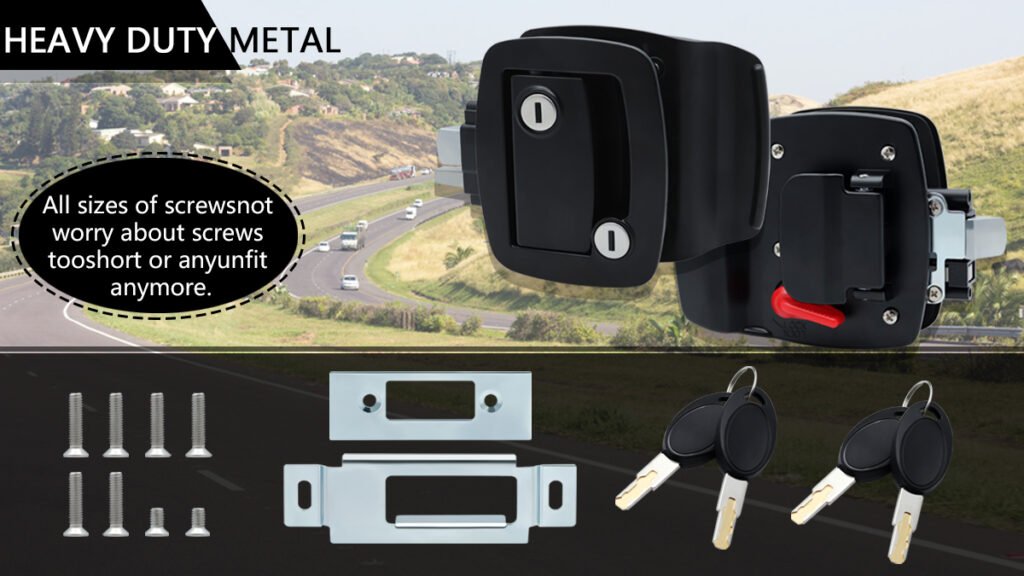
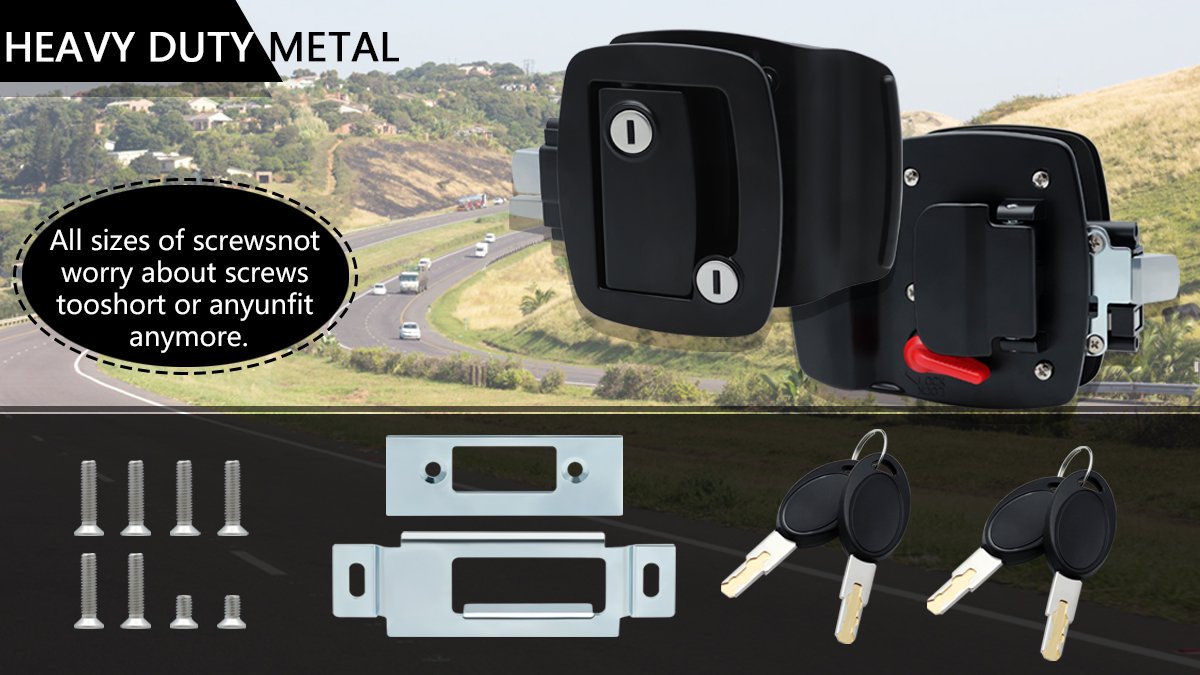
When you choose RV compartment latches, you rely on five key durability standards to ensure safety and long-lasting performance:
Corrosion resistance keeps latches strong in wet or humid conditions.
Cycle life testing shows how well latches handle repeated use.
Load-bearing capacity protects against breakage under weight.
Weatherproofing and sealing prevent water and dust from entering compartments.
Material quality guarantees premium construction.
OEM production uses strict dimensional tolerances and certified materials for reliable fit. You benefit from inspection reports, cycle testing, and compliance with standards like ISO 9001:2015 and ASTM A276.
Standard | Description |
|---|---|
ISO 9001:2015 | Quality management systems standard |
ASTM A276 | Stainless steel specification |
UL/ETL certification | Electrical compatibility for smart latches |
Dimensional accuracy | Within ±0.5mm for proper fit |
Tip: Premium materials and careful construction help latches last longer and work smoothly in every RV.
Key Takeaways
Choose latches with corrosion resistance to ensure they last through wet and humid conditions.
Look for latches that have passed cycle life tests to guarantee they can handle repeated use without failure.
Select latches with a high load-bearing capacity to prevent breakage and keep your belongings secure.
Ensure latches are weatherproof and sealed to protect against water and dust, keeping your gear safe.
Opt for latches made from premium materials and check for certifications to ensure quality and durability.
1. Corrosion Resistance Durability Standards
Importance of corrosion resistance
You want your RV compartment latches to last through every adventure. Corrosion resistance plays a key role in keeping latches strong and reliable. When you travel, your RV faces rain, humidity, and road salt. These elements can cause rust and weaken metal parts. If a latch rusts, it may stick or break, putting your stored items at risk.
Manufacturers use several types of metals and finishes to fight corrosion. Common choices include:
High-quality industrial-grade iron
Advanced black electrophoresis finish for extra rust protection
These materials help your latches stay smooth and secure, even in tough weather.
Common tests and certifications
OEMs do not guess when it comes to corrosion resistance. They use industry-standard tests to make sure each latch meets strict requirements. One of the most trusted methods is the salt spray test. This test simulates years of outdoor exposure in just a few days.
Test Type | Description |
|---|---|
Salt Spray Test | Surface coatings are tested for 72–96 hours in a salt spray chamber, simulating prolonged outdoor exposure. |
You can trust latches that pass these tests to meet top durability standards.
Impact on latch lifespan
Corrosion resistance directly affects how long your latch will last. A latch with strong protection against rust will open and close smoothly for years. You will not need to worry about sudden failures or stuck compartments. By choosing latches with proven corrosion resistance, you protect your RV and your belongings on every trip.
Tip: Always check for corrosion resistance ratings and test results before you buy new latches. This small step can save you time and money in the long run.
2. Cycle Life Testing
Role of repeated cycles
You open and close your RV compartment latches many times during each trip. Each time you use a latch, it faces stress and wear. Cycle life testing measures how many times a latch can open and close before it shows signs of failure. This test helps you understand if a latch will last for years or just a few months. Manufacturers use machines to repeat the open and close motion thousands of times. This process simulates real use and helps you see which latches meet high durability standards.
Tip: Choose latches that have passed high cycle life tests. These latches will keep working smoothly, even after years of use.
OEM benchmarks
OEMs set strict benchmarks for cycle life. Most quality RV compartment latches must pass at least 5,000 to 10,000 open and close cycles without breaking or sticking. Some premium latches go through even more cycles. You can check the product specifications or ask the manufacturer for test results. The best latches often come with reports that show they meet or exceed these benchmarks.
Here is a quick look at typical OEM benchmarks:
Latch Type | Minimum Cycles Tested |
|---|---|
Standard RV latch | 5,000 |
Heavy-duty latch | 10,000 |
Real-world durability
Cycle life testing gives you confidence that your latch will not fail during your travels. A latch that passes these tests will handle daily use, rough roads, and frequent stops. You do not want to worry about a latch breaking when you need it most. By choosing latches that meet strict durability standards, you make sure your RV stays secure and your trips stay stress-free.
Note: Always ask about cycle life testing before you buy. This simple question can help you avoid problems down the road.
3. Load-Bearing Capacity
Weight and force standards
You want your RV compartment latches to handle the weight of your gear and stay secure on the road. Load-bearing capacity measures how much force a latch can withstand before it fails. For light to medium duty storage, most latches must pass a minimum 50,000 cycle test while holding at least 15 pounds of force. This test shows that the latch can handle repeated use without bending or breaking.
Minimum 50,000 cycle test under load (≥15 lbs force)
Designed for light to medium duty storage compartments
Ensures latches stay reliable over time
Material choice also plays a big role in meeting these standards. Manufacturers often use stainless steel or plated mild steel for their strength and resistance to wear.
Material | Compliance Standards | Load-Bearing Capacity |
|---|---|---|
304 Stainless Steel | ISO 9001, ASTM A36, SAE J234 | At least 1,500 lbs |
Carbon Steel | ISO 9001, ASTM A36, SAE J234 | At least 1,500 lbs |
Preventing latch failure
You do not want a latch to fail when you are on the move. Strong latches prevent accidental openings and keep your belongings safe. When you choose latches made from high-quality materials, you reduce the risk of breakage. Proper load-bearing capacity means the latch will not deform or snap, even if you hit a bump or take a sharp turn. Always check the specifications to make sure the latch matches your storage needs.
Tip: Choose latches that meet or exceed industry durability standards for peace of mind on every trip.
OEM verification
OEMs use strict tests to verify that each latch meets safety and performance requirements. These tests follow industry protocols to ensure latches can handle real-world forces.
Testing Method | Description |
|---|---|
FMVSS 206 | Measures latch strength during vehicle impact. Latch must stay closed under force. |
SAE J839 | Sets load requirements for latching systems and checks compliance with safety standards. |
You can trust latches that pass these tests to keep your RV compartments secure. OEM verification gives you confidence that your latch will perform as promised, trip after trip.
4. Weatherproofing and Sealing
Water and dust resistance
You want your RV compartment latches to keep out water and dust, no matter where you travel. Manufacturers use special materials and finishes, such as zinc alloy with a chrome finish, to create a strong barrier against moisture and dirt. These features help prevent rust and keep your latch working smoothly. Industry standards require latches to pass salt spray testing for at least 96 hours without visible rust or coating failure. This test shows that the latch can handle rain, road spray, and even salty air near the coast.
Specification | Details |
|---|---|
Salt Spray Testing | ≥96 hours without visible rust or coating failure |
Dimensional Accuracy | ±0.5mm for proper fit across various RV models |
Weather Resistance | Salt Spray Tested, UV Resistant |
Application | Tight seal against dust and water |
Tip: Look for latches with positive locking engagement and anti-jamming designs. These features help prevent accidental openings during travel.
Temperature durability
You may travel through hot deserts or freezing mountains. Your RV compartment latches must work in all climate zones. Top-quality latches meet durability standards by operating in temperatures from -40°C to +85°C. This wide range means your latch will not crack in the cold or warp in the heat. UV-resistant coatings also protect against sun damage, so your latch stays strong and reliable year-round.
Protecting stored items
A well-sealed latch does more than keep out water and dust. It protects everything you store inside your RV compartments. Environmental sealing reduces vibration and keeps your gear safe from weather and road conditions. You can trust latches that meet these durability standards to keep your belongings dry, clean, and secure on every trip.
Note: Always check for weatherproof and rustproof features before you buy new latches. This step helps you avoid problems and keeps your RV ready for any adventure.
5. Material Quality Durability Standards
Premium materials in OEM latches
You want your RV compartment latches to last for years. High-quality materials make a big difference in durability. OEMs often choose buffed stainless steel, plated mild steel, and zinc alloy for their strength and resistance to wear. These metals do not rust easily and can handle tough road conditions. Some latches use durable plastics like ABS for extra corrosion resistance, especially in marine environments.
Here is a quick look at common materials used in top-rated OEM latches:
Product Name | Material Type | Description |
|---|---|---|
Jr Products 10945 Access Door Latch | Steel | High-quality and premium material known for durability. |
Southco 93-303 Locking Push Button Latch | Durable black plastic | Designed for corrosion resistance in marine environments. |
You can trust these materials to keep your compartments secure and working smoothly.
Certification and compliance
You should always check for certifications when you choose a latch. OEMs follow strict standards to make sure each latch meets durability requirements. Certifications like ISO 9001:2015 and ASTM A276 show that the latch passed quality checks and material tests. These standards cover everything from the strength of the metal to the accuracy of the latch’s fit. When you see these certifications, you know the latch will perform as promised.
Tip: Look for latches with clear certification labels. This step helps you avoid low-quality products.
Long-term benefits
Choosing latches made from premium materials gives you peace of mind. You will not need to replace them often, which saves you money and time. High-quality latches resist rust, bending, and breakage. They keep your RV compartments safe, even after years of use. You can enjoy your travels without worrying about latch failures or stuck doors.
Note: Investing in certified, high-quality latches protects your RV and your belongings for the long haul.
You can trust your RV compartment latches when they meet these five durability standards. Each standard improves reliability and keeps your gear safe. The table below shows how top features support long-term performance:
Feature | Description |
|---|---|
Operational Test Cycles | 100,000 cycles prove lasting reliability. |
UV Resistance | Locks resist fading and flaking outdoors. |
OEM production and premium materials, like #3 Zinc Alloy, give you strong, corrosion-resistant latches. When you shop, look for certifications such as ISO 9001:2015. Always check for these standards to make smart choices for your RV.
Review product certifications before buying.
Ask about durability tests and material quality.
Choose latches that pass strict industry standards.
Tip: Durable latches help you travel with confidence.
FAQ
What is the most important durability standard for RV compartment latches?
You should focus on corrosion resistance. This standard protects your latch from rust and damage. It helps your latch last longer, especially in wet or humid environments.
How do I know if a latch meets industry standards?
Check for certifications like ISO 9001:2015 or ASTM A276. You can also ask for test reports from the manufacturer. These documents show that your latch passed strict quality checks.
Can I replace RV compartment latches myself?
Yes, you can replace most latches with basic tools. Always follow the instructions from the manufacturer. If you feel unsure, ask a professional for help.
Why do OEM latches cost more than generic ones?
OEM latches use premium materials and pass strict tests. You pay more, but you get better fit, longer life, and reliable performance. This investment protects your RV and your belongings.
