
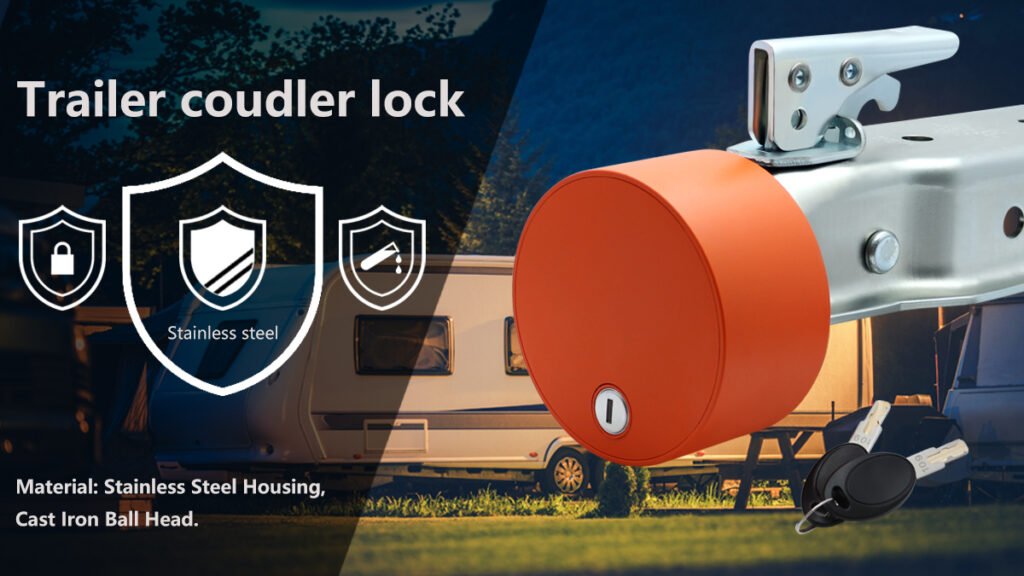
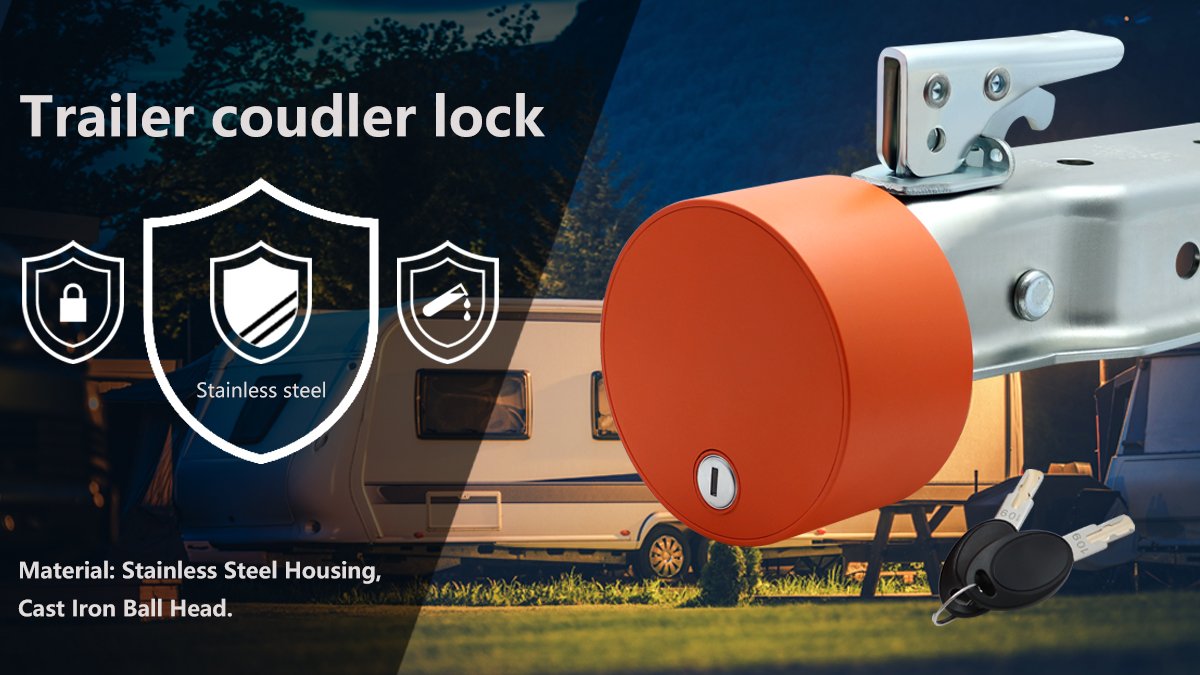
You want to keep your trailer safe and secure. Choosing the right trailer hitch lock can make a big difference for your peace of mind. Trailer theft happens often in the U.S., and organized groups look for easy targets. When you use a strong trailer hitch lock, you make it tougher for thieves to steal your trailer. Look for a lock that matches your coupler size, uses a unique key, and balances price with quality. Start by thinking about your trailer type, how you use it, and your security needs.
Key Takeaways
Choose a hitch lock that fits your trailer’s coupler size for optimal security.
Use multiple locks together to create layered protection against theft.
Select locks made from durable materials like hardened steel for long-lasting security.
Consider your towing habits and parking conditions when selecting a hitch lock.
Regularly maintain your hitch locks to ensure they remain effective and reliable.
Why a Trailer Hitch Lock Is Essential
Preventing Trailer Theft
You want to keep your trailer safe when you leave it parked. Thieves often look for easy targets, and an unlocked trailer can disappear in minutes. A trailer hitch lock gives you a strong layer of protection. It stops someone from hooking up your trailer and driving away.
Here’s how different locks help with trailer security and protection:
Hitch receiver locks replace the pin that holds your hitch, so no one can remove the ball mount.
Coupler locks block the coupler when your trailer is not attached, stopping anyone from connecting to it.
Tongue locks clamp over the trailer’s tongue, making it tough for thieves to tamper with.
Using more than one device together makes your trailer even harder to steal.
You don’t have to worry about complicated setups. Most hitch locks are easy to use and fit common coupler sizes. When you use these locks, you send a clear message to thieves: your trailer is not an easy target.
Peace of Mind for Trailer Owners
You want to relax when you leave your trailer at a campsite or in storage. A good lock helps you do that. Many owners say they feel better when they lock everything they can. Some even add a security camera or talk to neighbors for extra protection.
“There is no real way to keep thieves from breaking in if they are determined. But, I do lock all that I can, and it sure makes me feel better.”
You can enjoy your trip or focus on your day, knowing you’ve done your part for protection. Simple steps like locking your hitch and letting others know you’re away can make a big difference. You get peace of mind, and your trailer stays safe.
Types of Hitch Locks
You have a lot of choices when it comes to trailer security. Understanding the main types of hitch locks helps you pick the right one for your setup. Here’s a quick look at how each lock works and what makes them unique:
Type of Lock | How It Works |
|---|---|
Receiver Hitch Lock | Replaces the standard hitch pin and locks the ball mount to your vehicle’s receiver. |
Coupler Hitch Lock | Fits over or inside the trailer’s coupler, blocking any hitch ball from being inserted. |
Pin-Style Hitch Lock | Uses a locking pin to secure the hitch components together, often with a rotating head design. |
Specialty Hitch Lock | Includes wheel locks, smart locks, and high-strength locks for unique trailers or extra needs. |
Receiver Hitch Locks
Receiver locks protect the connection between your trailer and towing vehicle. You slide the lock through the receiver and secure it with a key. This stops anyone from removing the ball mount or swapping out your hitch. Many users like receiver locks because they are easy to use and offer strong security. You can count on their durability, even in tough weather. Some brands add advanced key systems for extra peace of mind.
Tip: Receiver locks work best when you leave your trailer hitched to your vehicle, like during quick stops or overnight parking.
Coupler Hitch Locks
Coupler locks keep your trailer safe when it’s unhitched and parked. You place the lock over or inside the coupler, making it impossible for anyone to hook up a tow vehicle. These locks shine when you leave your trailer at a campsite or storage lot. They also help during short stops on the road. Coupler locks act as a strong visual warning to thieves. Many owners use them with other security devices for layered protection.
Coupler locks fit most standard coupler sizes.
They block access to the hitch ball, so thieves can’t tow your trailer.
You get peace of mind when you leave your trailer unattended.
Pin-Style Hitch Locks
Pin-style hitch locks use a locking pin to hold hitch parts together. You’ll find these locks simple and quick to use. Many have a 360-degree rotating head, which makes it hard for thieves to use bolt cutters. The hardened steel body resists rust and damage. Pin-style locks are great if you hitch and unhitch your trailer often. Just remember to keep a spare key handy.
Specialty Hitch Locks
Specialty hitch locks cover unique needs. You might see wheel locks that clamp onto your trailer’s tires, making it impossible to roll away. Some specialty locks use smart technology, letting you monitor your trailer with your phone. Others use high-strength materials like titanium for extra toughness. Specialty locks work well for non-standard trailers or when you want the highest level of security.
Note: Using more than one type of lock gives you the best protection. Thieves look for easy targets, so visible locks and tough materials make your trailer less appealing.
You can choose from many types of hitch locks. Think about your trailer, where you park, and how often you use it. The right combination keeps your trailer safe and gives you confidence every time you walk away.
Choosing the Best Trailer Hitch Lock
Matching Lock to Trailer Type
You want your trailer hitch lock to fit your trailer perfectly. Not every lock works for every trailer. Start by looking at your trailer’s design and how you use it. For example, coupler locks secure the hitch and work well for most travel trailers and campers. Wheel locks stop your trailer from rolling away, which is great for long-term parking or storage. Chain locks give you flexibility if you need to secure more than just the hitch. If you own a fifth-wheel trailer, a kingpin lock gives you the best protection.
When you pick a lock, match it to your trailer’s needs. Choose locks made from high-grade materials. Look for pick-resistant mechanisms and weather-resistant coatings. These features give you both physical and visual protection. Thieves will see your lock and think twice.
Tip: Don’t just buy the first lock you see. Think about your trailer’s style and where you park it most often.
Considering Towing and Security Needs
Your towing habits matter when you choose the best trailer hitch locks. Do you tow your trailer every weekend, or does it sit in storage for months? If you use your trailer a lot, you want a hitch lock that’s easy to install and remove. You also want one that stands up to weather and road grime.
Here are some things to look for:
Material durability. Go for locks made from hardened steel or aluminum.
Locking mechanisms. Pin locks, key locks, and combination locks each offer different levels of security and convenience.
Ease of installation. If a lock is simple to use, you’ll use it every time.
Weather resistance. Make sure your hitch lock resists rust and corrosion.
Security ratings. Check if the lock has been tested for tampering and durability.
If you want the highest level of protection, choose a lock with a strong locking mechanism and a user-friendly design. Some owners also use more than one lock for extra security.
Note: Many people forget to check if their lock uses a unique key. A non-unique key makes it easier for thieves to break in.
Sizing and Compatibility
You need your hitch lock to fit your trailer’s coupler or receiver. The wrong size means less protection. Here’s how you can measure for the right fit:
Measure the height from the top of your vehicle’s hitch receiver tube to the ground.
Level your trailer and measure the height from the bottom of the coupler to the ground.
Subtract the height of the trailer coupler from the height of the receiver. This gives you the drop or rise you need for your ball mount.
Always double-check the size of your coupler or receiver before you buy. Many people make the mistake of not checking compatibility. They also forget to look for extra features, like weatherproofing or a unique key.
Here’s a quick checklist to help you avoid common mistakes:
Make sure you know what type of hitch lock you need.
Confirm the lock fits your hitch or coupler size.
Pick a lock with a unique key.
Look for extra features that boost security.
If you want to see how different locks compare, check out this table based on user reviews and expert advice:
Lock Type | Pros | Cons |
|---|---|---|
High-security Cobra 7 | Hard to copy keys, tough to tamper with | Higher price, may not fit all types |
Curt Style Coupler Lock | Heavy-duty, strong visual deterrent | Needs correct model for best fit |
Choosing the right trailer hitch lock means thinking about your trailer, your habits, and your security needs. Take your time, measure carefully, and pick a lock that gives you confidence every time you walk away.
Key Features of Hitch Locks
When you shop for a trailer hitch lock, you want to know what makes one lock better than another. Let’s break down the features that matter most, so you can pick a lock that keeps your trailer safe and lasts for years.
Material and Build Quality
You want a lock that stands up to both thieves and the weather. The material and build quality decide how tough your lock really is. Here’s what you should look for:
A tight-fitting lock made from hardened steel resists prying, cutting, and drilling. Thieves have a hard time getting through solid steel.
The best hitch locks use robust materials like hardened steel or aluminum. These metals fight off tampering and corrosion.
Some locks include tamper-proof mechanisms or weather-resistant coatings. These features help your lock last longer and keep working, even after years outside.
Tip: Always check if the lock feels heavy and solid in your hand. A flimsy lock won’t protect your trailer.
Key Type and Security
Not all locks use the same key system. The type of key and lock core can make a big difference in how safe your trailer stays. Take a look at this table to see how different key types compare:
Feature | Standard Pin Tumbler Core | High-Security Disc Detainer Core |
|---|---|---|
Security Level | Low to Medium | High to Very High |
Pick Resistance | Vulnerable | Extremely Resistant |
Drill Resistance | Poor | Good to Excellent |
Pin tumbler locks are common, but they’re easy to pick or bump.
Disc detainer locks use rotating discs that line up with the key. These are much harder to pick.
High-security hitch lock designs use advanced cores, like Cobra 7 or disc-detainer systems. These resist picking and drilling, so your trailer stays safer.
If you want real peace of mind, choose a lock with a high-security core. You’ll make it much harder for thieves to break in.
Weather Resistance
You probably leave your trailer outside, so your lock needs to handle rain, snow, and sun. Weather resistance keeps your lock working smoothly and looking good.
Choose a lock made from hardened steel or aluminum with a weather-resistant finish, like powder coating. This protects against rust and grime.
Most quality locks come with weather-resistant coatings. These help your lock survive outdoor exposure and keep the keyway from jamming.
Note: A weatherproof lock means less maintenance and fewer worries about your lock freezing or rusting.
Price and Value
You want the best protection for your money. Price often matches the security features you get. Here’s a quick look at what you can expect:
Price Range | Security Features |
|---|---|
$27.73 – $184.21 | Enhanced security, durable materials, and strong tamper resistance |
Lower-priced locks may offer basic protection, but they might not last as long or resist tampering as well.
Higher-priced locks usually include better materials, advanced locking systems, and weatherproof finishes.
Think about how much your trailer is worth and how often you leave it unattended. Investing in a quality lock can save you money and stress in the long run.
When you pick a trailer hitch lock, focus on solid materials, a secure key system, weather resistance, and good value. These features work together to keep your trailer safe wherever you park it.
Why Choose Kinntoo RV Hitch Locks
Product Features and Advantages
When you want a hitch lock that stands out, Kinntoo gives you more than just basic security. You get a product built by a company with over a decade of experience in RV and trailer locks. Kinntoo handles every step of the process in their own 4,000㎡ factory. This means you get consistent quality and fast delivery every time.
Take a look at how Kinntoo compares to other brands:
Feature/Advantage | Kinntoo RV Hitch Locks | Other Brands |
|---|---|---|
Industry Experience | Over a decade in designing and producing locks | Varies by brand |
Manufacturing Facility | 4,000㎡ with integrated processes | Often outsourced |
Endurance Testing | 50,000-cycle tests for durability | Typically lower cycle tests |
Weather Resistance | -40°C to +80°C, weatherproof seals | Varies, often less robust |
Material Quality | Solid zinc alloy, stainless steel 316 | Varies, often lower quality |
Corrosion Resistance | 240 hours salt spray, 1,000-hour salt fog | Often not tested |
Applications | RVs, trailers, marine vehicles | Limited application range |
You can see that Kinntoo focuses on quality and reliability. You get a lock that works for RVs, trailers, and even marine vehicles.
Durability and Security
You want a lock that lasts. Kinntoo RV hitch locks go through tough endurance tests—up to 50,000 lock and unlock cycles. The solid zinc alloy and stainless steel 316 construction stand up to harsh weather, from freezing cold to blazing heat. The weatherproof seals keep out dust and water, so your lock keeps working year after year.
You also get advanced corrosion resistance. Kinntoo tests their locks with 240 hours of salt spray and 1,000 hours of salt fog. This means your lock won’t rust or weaken, even if you travel near the ocean or park in wet climates.
Compatibility and Convenience
Kinntoo makes it easy for you to find the right fit. Their hitch locks work with most standard coupler sizes, including 1-7/8”, 2”, and 2-5/16”. You can use them on RVs, campers, trailers, and even boat trailers. If you manage a fleet or run a dealership, Kinntoo offers keyed-alike systems for simple key management.
You get a lock that’s easy to install and remove. The design saves you time and hassle, whether you use your trailer every weekend or leave it in storage for months. With Kinntoo, you protect your investment and enjoy real peace of mind.
Tips for Preventing Trailer Theft
Using Multiple Security Methods
You want your trailer to be a tough target for thieves. One lock is good, but using several security methods together works even better. When you layer your defenses, you make trailer theft much harder.
Here are some smart ways to protect your trailer:
Park in well-lit areas or secure lots where thieves feel exposed.
Position your trailer so the doors face a wall or another obstacle.
Use your tow vehicle to block access to the trailer.
Keep your trailer coupled to your vehicle when possible.
You can also follow this simple plan:
Start with a quality coupler lock that covers the connection point.
Add more locks, like wheel or pin locks, to slow down thieves.
Make sure your locks are easy to see. Thieves often skip trailers with visible security.
Tip: Each extra lock adds time and noise for a thief. Most will move on to an easier target.
When you reinforce the hitch and use multiple locks, you turn your trailer into a well-guarded barrier. Security is not about convenience. It’s about making your trailer less appealing than the one next to it.
Maintenance and Care for Hitch Locks
You want your hitch locks to last and work every time. Good maintenance keeps your locks strong and reliable.
Try these simple care tips:
Check your locks often for rust, wear, or loose parts.
Clean them with a gentle cleaner. Don’t let water sit on the lock.
Lubricate moving parts with a high-quality lubricant to keep them smooth.
Make sure your trailer’s weight is balanced. This prevents extra strain on the hitch.
Store your trailer in a dry, covered spot when you can.
Note: A little care goes a long way. Regular checks and cleaning help your locks stand up to weather and daily use.
With these habits, you keep your locks working well and your trailer safe from theft.
Choosing the right trailer hitch lock starts with a few simple steps:
Identify your hitch class and match the pin size.
Think about where you park and the risks in that area.
Pick locks made from hardened steel with strong designs.
Make sure your lock can handle the weather.
Kinntoo locks give you low maintenance, enhanced security, and real durability. You should look at your trailer’s needs, your parking spot, and your budget. Take action now to keep your trailer safe for the long haul.
FAQ
How do you know which hitch lock fits your trailer?
Check your coupler size before you buy. Most locks fit 1-7/8”, 2”, or 2-5/16” couplers. Measure your hitch and read the product specs. If you’re unsure, ask the seller for help.
Can you leave your hitch lock on while towing?
No, you should remove the hitch lock before towing. Hitch locks protect your trailer when it’s parked. If you drive with the lock on, you risk damaging your hitch or lock.
What’s the best way to keep your hitch lock working?
Clean your lock regularly. Use a lubricant on moving parts. Store your trailer in a dry spot when possible. Check for rust or wear. A little care keeps your lock strong.
Are all hitch locks weatherproof?
Most quality hitch locks resist rain and dust. Look for rust-proof coatings and sealed keyways. If you park outside often, pick a lock made for tough weather. Weatherproof locks last longer.
