
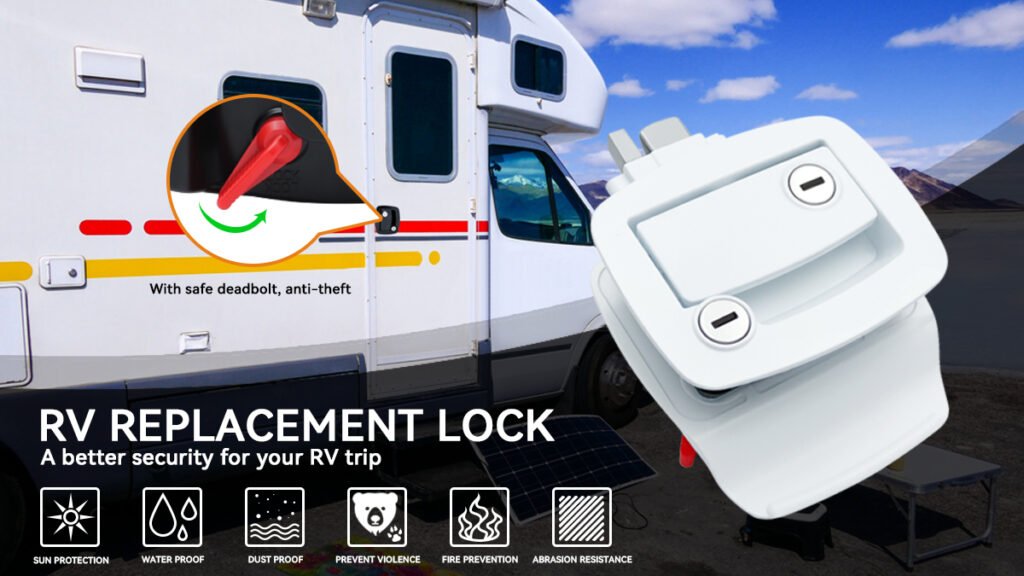
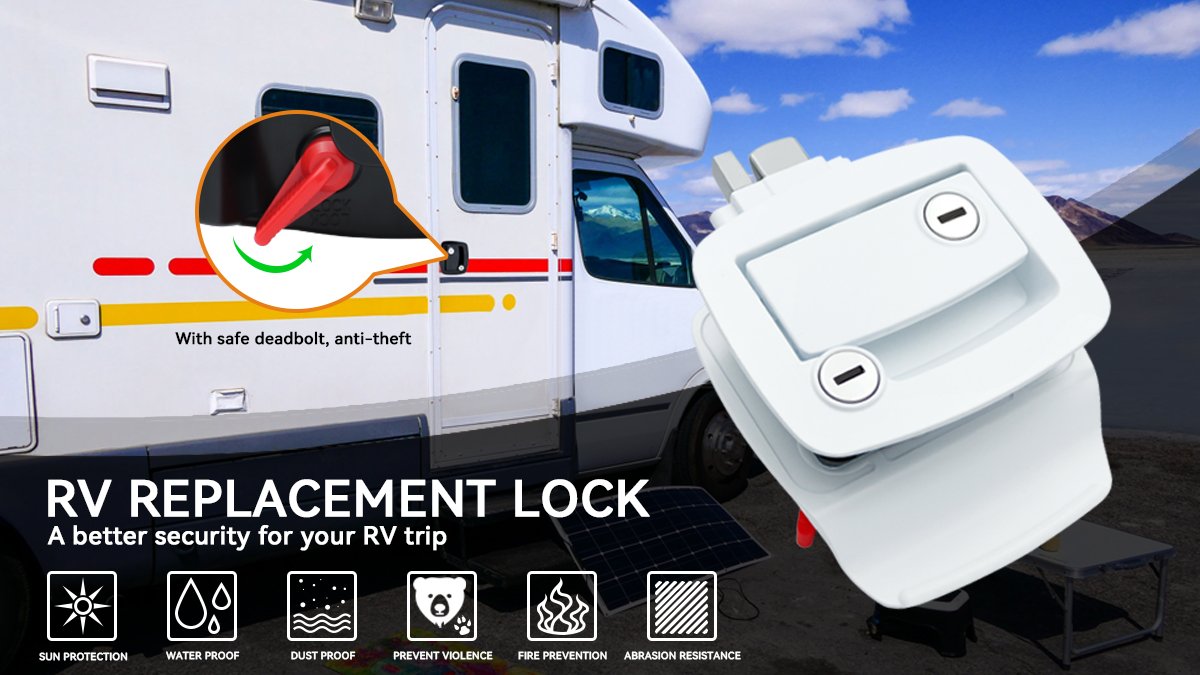
You want to open your rv compartment door latch, but the handle refuses to budge. Grab a can of silicone spray or WD-40 from your toolbox. Spray a little on the latch, then gently work it back and forth. Many users say WD-40 works well for keyholes, while silicone spray helps with sticky mechanisms, though it may need reapplication. You do not need fancy tools or expert skills for this trick. You can fix a stuck latch in minutes. Try it out—most latch problems feel easier than you think!
Key Takeaways
Use silicone spray or WD-40 to quickly fix stuck RV compartment door latches. A little lubrication can make a big difference.
Perform a visual inspection of the latch for rust, cracks, or loose parts. Catching these issues early can save you time and money.
Regularly clean and lubricate your latch every few months. This simple maintenance can extend the life of your RV components.
If the latch still sticks after cleaning, check for misalignment or consider replacing it with a durable Kinntoo RV cam lock for better security.
Use household items like rubber bands or cardboard for quick fixes. These can help you manage latch issues until you can make permanent repairs.
Quick rv compartment door latch troubleshooting
Before you grab your tools, take a few minutes to run through this quick troubleshooting checklist. You can often spot the problem with your rv compartment door latch by using your eyes, hands, and ears. This saves you time and helps you avoid unnecessary repairs.
Visual inspection steps
Start with a close look at the latch and surrounding area. You might notice rust or corrosion, especially if your RV sits outside in humid weather. Cracked or broken housing can expose the inside parts, making the latch easier to tamper with or break. Loose parts are another red flag. If the lock wiggles or feels unstable, it could mean deeper compartment door issues. Use a flashlight if you need better visibility.
Rust or corrosion
Cracked or broken housing
Loose or wobbly lock parts
Testing latch movement
Gently try to open and close the latch. Does it stick, jam, or feel rough? If you need to use extra force, something is wrong. Smooth movement means the latch is working. If it catches or resists, you may have faulty latches or debris inside. Try moving the handle in both directions. Sometimes, a latch only fails in one direction.
Checking for loose screws
Look at the screws holding the latch in place. Wiggle the latch and see if any screws move. Tighten any loose screws with a screwdriver. Loose screws can cause misalignment and make troubleshooting harder. You want everything snug before you test again.
Listening for unusual sounds
Put your ear close to the latch as you operate it. Listen for grinding, squeaking, or clicking noises. These sounds can point to internal problems or worn-out parts. Quiet operation usually means the latch is healthy. If you hear anything strange, note it for your troubleshooting steps.
Tip: Always identify the root cause before you start fixing. Quick troubleshooting helps you avoid replacing parts that still work.
If you follow these steps, you can catch most compartment door issues early. You’ll feel more confident tackling repairs and save yourself headaches down the road.
Step-by-step fixes for stuck latches

You want your rv compartment door latch to work smoothly every time. If it sticks or jams, you can fix it with a few simple steps. Let’s walk through each method so you can get back to enjoying your RV adventures.
Lubrication tips
Lubrication solves many latch problems. You can use silicone spray, WD-40, or even a dab of petroleum jelly. Spray or apply the lubricant directly to the latch mechanism. Move the handle back and forth to work the lubricant into tight spots. If the latch still feels sticky, repeat the process. Sometimes, you need to clean the latch first before lubricating. Dirt and old grease can block the moving parts.
Tip: Always wipe away excess lubricant. Too much can attract dust and make the latch sticky again.
Latch realignment
Misalignment causes latches to stick or fail. You might notice the door doesn’t close evenly or the latch doesn’t catch. Check the strike plate and latch position. If they don’t line up, loosen the screws holding the latch or strike plate. Adjust them until the latch fits perfectly. Tighten the screws and test the door. Many RV owners make mistakes like misaligning the strike plate or over-tightening hinges. Take your time and check the alignment from different angles.
Common mistakes to avoid:
Over-tightening of door hinges
Failure to check for broken or loose components
Removing debris or rust
Rust and debris block latch movement. You can clean the latch with a brush or compressed air. For rust, use a rust remover or a mix of baking soda and water. Scrub gently with a toothbrush. Rinse and dry the area before you reassemble the latch. Cleaning out dirt and rust helps the latch move freely and prevents future problems. If you see broken pieces or heavy corrosion, you may need to replace those parts.
Note: Cleaning and removing debris is often faster and cheaper than replacing the whole latch.
Adjusting screws
Loose or tight screws affect latch performance. You should check the screws whenever you notice the handle travels a lot to open the door or the lock doesn’t work right. Sometimes, you need to bend a tab back into place. Use a screwdriver to tighten loose screws. If the latch still feels off, try loosening the screws slightly and adjusting the position. Test the latch after each adjustment.
When to adjust screws:
Handle travels too far to open the door
Lock doesn’t function properly
Physical adjustments, like bending a tab, may be needed over time
Temporary fixes with household items
You don’t always need special tools for repairing compartment door latches. You can use household items for quick fixes. A rubber band wrapped around the handle gives extra grip. A small piece of cardboard can help realign a loose strike plate. Petroleum jelly works as a temporary lubricant. If you need to wedge the door shut, use a folded towel or cloth until you can do a proper repair.
Here’s a quick table of household items and their uses:
Household Item | Quick Fix Use |
|---|---|
Rubber band | Extra grip for handle |
Cardboard | Realign loose strike plate |
Petroleum jelly | Temporary lubricant |
Towel/cloth | Wedge door shut |
Callout: These fixes help you in a pinch, but you should plan for a full repair soon.
You can save time and money by following these steps. Start by inspecting the latch, cleaning out debris, lubricating the mechanism, checking alignment, and replacing worn parts if needed. Reassemble and test the latch to make sure everything works. Repairing compartment door latches doesn’t have to be complicated. You can handle most repairs yourself and avoid costly service calls.
Advanced solutions with kinntoo rv cam locks
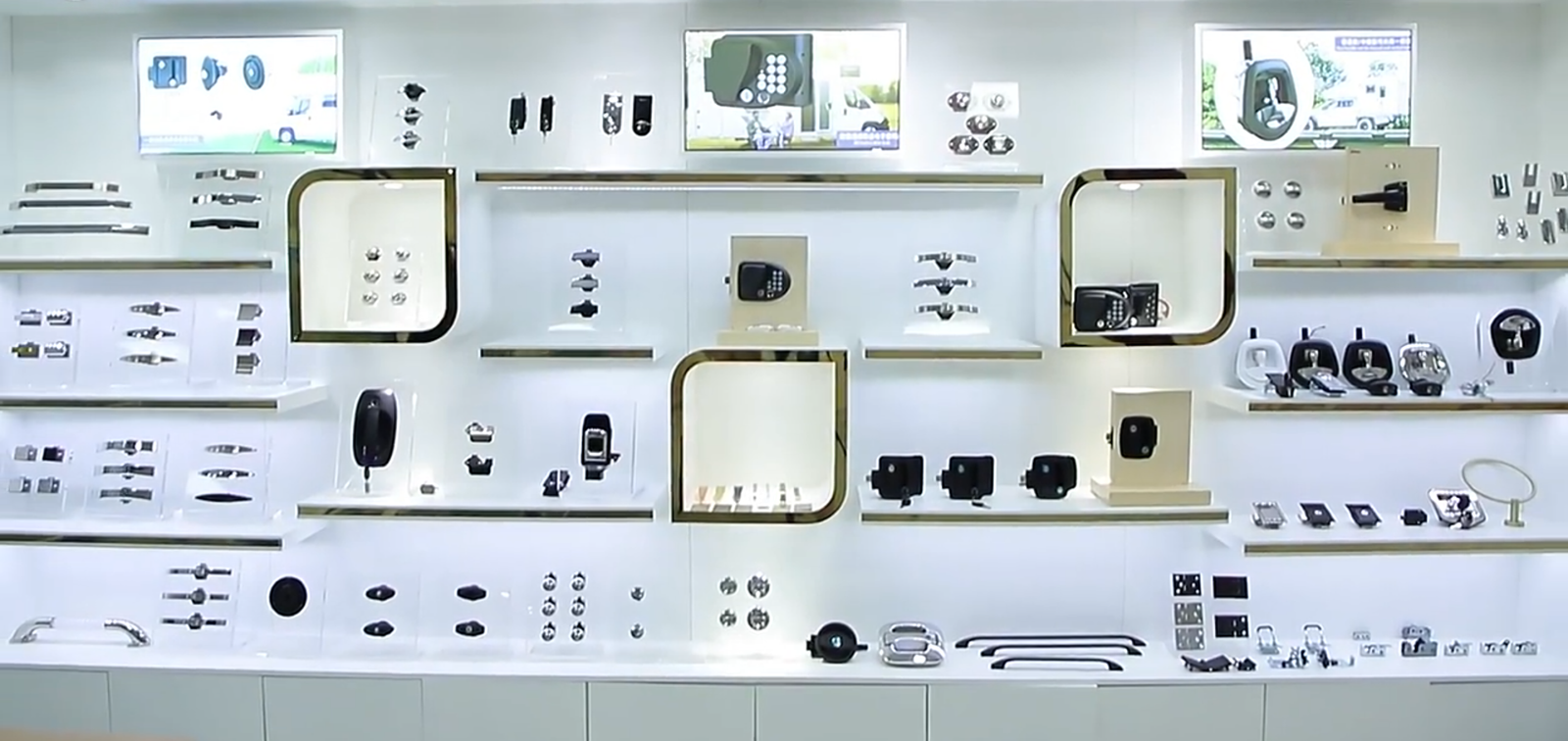
If you’ve tried all the basic fixes and your rv compartment door latch still gives you trouble, it might be time to consider an upgrade. Kinntoo offers advanced solutions that go beyond simple repair kits. You get peace of mind and long-lasting security with their replacement latches.
When to replace the latch
Sometimes, a latch just can’t be saved. You need to know the signs that tell you it’s time for a new one. Here’s what you should look for:
The key feels tough to insert, turn, or remove. This means the inside parts are worn out.
You see rust, corrosion, or cracks. These weaken the lock and make it unsafe.
The lock is old and doesn’t have modern security features. Older locks are easier to break.
Someone tried to tamper with the lock or you had a theft. That’s a clear sign the lock isn’t strong enough.
You want features like keyless entry or remote access. Upgrading makes your RV more convenient.
If you spot any of these issues, don’t wait. A new latch will protect your belongings and keep your travels stress-free.
Benefits of kinntoo rv cam locks
Kinntoo rv cam locks stand out for their durability and smart design. You get a lock that lasts for years, even in tough weather. Many RV owners say their Kinntoo lock shows no rust after two years of use. You can count on these locks to handle rain, sun, and road vibrations.
Here’s a quick look at what makes Kinntoo locks special:
Feature | Description |
|---|---|
Durability | Handles extreme temperatures, vibrations, and corrosion. |
Weather Resistance | Works in all kinds of environments, from deserts to rainy coasts. |
Advanced Security Features | Offers keyless entry and remote access for extra protection. |
Custom Design Options | Fits different RV models and compartment sizes. |
Quality Assurance | Meets ISO 9001 and ISO 14001 standards for safety and quality. |
Kinntoo uses materials like zinc alloy, stainless steel, and UV-stabilized ABS. These materials resist rust, fading, and cracking. You won’t have to worry about your lock failing because of harsh weather or rough roads. The electronic parts are sealed to keep out moisture and dust, so your lock works smoothly for a long time.
If you want a lock that fits your RV perfectly, Kinntoo offers custom options. You can choose the cam length, key type, and finish. This means you get a lock that matches your style and needs.
Professional help options
If you feel unsure about installing a new lock, you can always ask for help. Many RV service shops can swap out old latches for Kinntoo rv cam locks. They have the right tools and experience to do the job quickly. You can also reach out to Kinntoo’s support team for advice or troubleshooting tips.
Some shops offer mobile service, so you don’t have to drive your RV anywhere. They come to you and handle the installation on-site. If you run a fleet or manage multiple RVs, Kinntoo can help with bulk orders and custom solutions.
Tip: Professional installation saves you time and ensures your new lock works perfectly from day one.
Upgrading to Kinntoo replacement latches means you get advanced security, less maintenance, and a smoother travel experience. You can trust these locks to keep your RV safe wherever you go.
Preventing rv compartment door latch problems
Regular maintenance tips
You can avoid most latch headaches with a little routine care. RV maintenance experts recommend a few simple habits that keep your compartment doors working like new. Here’s a quick table to help you remember what to do:
Maintenance Practice | Description |
|---|---|
Regular Cleaning | Wipe away dirt and debris from the latch area |
Lubricate | Apply silicone-based lubricant every few months |
Inspect for Wear and Tear | Look for cracks, rust, or loose parts |
Check Alignment | Make sure the latch and catch line up and stay tight |
Set a reminder to check these things every couple of months. You’ll catch small problems before they turn into big ones.
Best lubricants and cleaning practices
Choosing the right products makes a big difference. Dry lubricants like graphite, silicone, or Teflon spray work best for lock cylinders. These don’t attract dust or gum up the mechanism. Marine grease is another smart pick, especially if you travel in wet or coastal areas. It stands up to water and keeps things moving smoothly.
Use dry lubricants (graphite, silicone, Teflon spray) for lock cylinders.
Try marine grease for extra moisture protection.
Avoid petroleum-based sprays like WD-40 on locks, since they can attract dirt and cause buildup.
A quick wipe with a clean cloth before you lubricate helps the product work better.
Early warning signs to watch for
You can spot trouble early if you know what to look for. If your latch feels sticky, makes odd noises, or the key gets hard to turn, don’t ignore it. A latch that doesn’t close tightly or looks rusty needs attention. Catching these signs early keeps your rv compartment door latch from failing when you least expect it.
Tip: Listen for squeaks or grinding. These sounds often mean it’s time for a quick clean and lube.
Why choose kinntoo for prevention
Kinntoo RV cam locks help you prevent latch problems before they start. These locks fit a wide range of RV models, so you get a snug, secure fit that stops misalignment. Kinntoo uses tough materials like hardened steel and zinc alloy, which stand up to years of use and resist wear. When you follow regular maintenance—like lubricating and checking your locks—you’ll keep your Kinntoo locks working smoothly for the long haul. That means fewer surprises and more peace of mind on every trip.
You’ve learned some quick tricks to fix stubborn RV compartment door latches. Try lubricating, cleaning, and adjusting before calling a pro. Regular maintenance makes a huge difference. You can:
Extend the life of RV components by 2–5 years
Cut emergency repairs by up to 70%
Keep your RV running smoothly and protect its value
Kinntoo RV cam locks add extra security and reliability. Tackle latch problems yourself and feel confident every time you hit the road! 🚐🔧
FAQ
How often should you lubricate your RV compartment door latch?
You should lubricate your latch every three to six months. If you travel in wet or dusty areas, check it more often. Regular lubrication keeps the latch working smoothly and helps prevent rust.
What’s the best lubricant for RV locks?
Dry lubricants like silicone spray or graphite work best. These products don’t attract dust or dirt. Avoid heavy oils or grease because they can gum up the mechanism over time.
Can you replace a compartment latch yourself?
Yes, you can! Most RV compartment latches use simple screws and nuts. You only need a screwdriver and a little patience. Follow the instructions that come with your new latch for best results.
Why does your latch keep sticking even after cleaning?
If your latch still sticks, you might have misalignment or worn-out parts. Try adjusting the screws or strike plate. If that doesn’t help, consider replacing the latch with a new one.
Are Kinntoo RV cam locks compatible with all RV models?
Kinntoo RV cam locks fit most RVs, campers, and trailers. You can choose different cam lengths and key types. For special sizes, Kinntoo offers custom options to match your compartment perfectly.
