
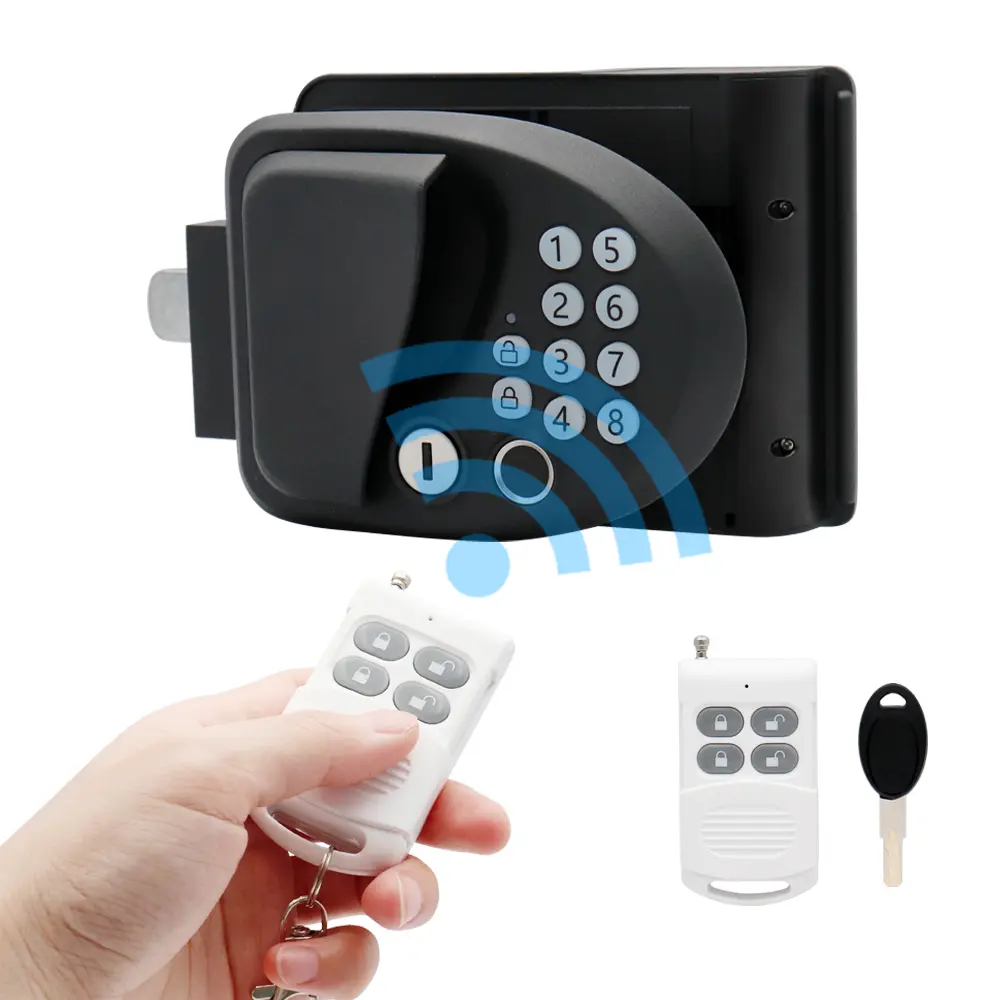
You rely on your RV door lock to keep your home on wheels secure in every environment. Durability standards set clear rules for how strong and reliable a keyless RV door lock must be in real-world use. These standards help you avoid unexpected failures, lower repair costs, and travel with peace of mind. Brands like kinntoo design their locks to meet these benchmarks, giving you confidence in your RV’s safety.
Key Takeaways
Durability standards ensure your keyless RV door lock can withstand harsh conditions and repeated use, providing peace of mind during your travels.
Choose locks that meet or exceed industry benchmarks, like Kinntoo’s locks tested for over 100,000 cycles, to ensure long-lasting performance.
Look for certifications such as ANSI/BHMA and ISO to guarantee your RV door lock meets strict safety and durability requirements.
Select weather-resistant materials like zinc alloy and UV-stabilized ABS to protect your lock from rust and damage caused by the elements.
Regularly check your RV door locks for wear and tear to maintain security and avoid unexpected failures on your journeys.
Durability Standards for Keyless RV Locks
What Durability Means for RV Door Locks
You want your rv door locks to last through every journey. Durability standards set the rules for how long a lock should work without failing. These standards help you avoid breakdowns and keep your rv secure. When you choose keyless rv locks, you expect them to handle thousands of openings and closings, harsh weather, and constant travel.
Durability standards for rv door locks focus on how well the lock performs over time. They measure how many times you can use the lock before it wears out. They also look at how the lock stands up to dust, rain, salt, and sunlight. You need these standards because your rv faces many environments, from hot deserts to cold mountains.
Temperature and humidity play a big role in the life of your keyless lock. Extreme heat can cause electronic parts to overheat. Cold weather can drain batteries and create condensation, which may damage the lock’s circuits. Changes in temperature can also affect the moving parts inside the lock. For example, lubricants can thicken in the cold, making the lock harder to use. These factors show why durability standards matter for every rv owner.
Industry Benchmarks and Kinntoo’s Approach
You should know how leading brands test their rv door locks. Most industry standards require a lock to last for 20,000 to 30,000 cycles. This means you can lock and unlock the door that many times before it might fail. However, kinntoo sets a higher bar for durability. Kinntoo tests its keyless rv locks to over 100,000 cycles. This means you get a lock that lasts much longer than the industry average.
Here is a comparison of cycle durability:
Lock Type | Cycle Durability |
|---|---|
Kinntoo’s Lock | |
Industry Standard | 20,000–30,000 cycles |
Kinntoo also uses strict testing protocols to make sure every lock meets durability standards. These tests check how the lock works in extreme temperatures, how it handles vibration during travel, and how it resists corrosion from salt and moisture. The company follows a four-stage quality assurance process to catch any problems before the locks reach you.
Here are some of the main testing protocols used by kinntoo:
Testing Protocol | Details |
|---|---|
Cycle Life | Tested to 100,000+ cycles |
Environmental Testing | -40°C to 80°C in an environmental chamber |
Vibration Testing | Specific tests for vibration resistance |
Salt-Spray Test | 96-hour salt-spray test |
Quality Assurance Protocol | 4-Stage Quality Assurance including IQC, IPQC, FQC, OQC |
You benefit from these high standards because you get rv door locks that last longer and work better in every condition. When you choose a lock that meets or exceeds these durability standards, you protect your rv, your belongings, and your peace of mind. Kinntoo’s approach shows why it is important to look for brands that go beyond the minimum and focus on real-world durability for every lock and entry system on your rv.
Certifications and Security Ratings
ANSI/BHMA and IP Ratings for RV Door Locks
You want to know your rv is protected against security issues and harsh environments. Certifications like ANSI/BHMA and IP ratings help you choose rv door locks that meet strict standards for safety and durability. ANSI/BHMA standards measure how well a lock performs in real-world conditions. These standards cover operation, durability, safety, appearance, accessibility, and sustainability. You can see how these categories matter in the table below:
Standard Category | Description | Measurement Criteria |
|---|---|---|
Operation | Measures ease of egress and smooth closing | Force to retract latch, maximum torque for lever locks |
Durability | Ensures long-lasting performance | One million cycles of opening and closing with a 10-pound load |
Safety & Security | Assesses security against unauthorized access | 1,200 in-lbf locked lever torque, impact tests |
Appearance | Evaluates aesthetic durability | Resistance to corrosion, chemicals, and abrasion |
Accessibility | Ensures compliance with ADA standards | Operable with one hand, no tight grasping required |
Sustainability | Assesses environmental impact | Durability, recycled content, and energy conservation contributions |
You also need to look for IP ratings when selecting keyless rv door locks. An IP rating of IP5 or higher means your lock can handle dust and water exposure. IP55 protects against water jets from any direction. IP65 gives extra protection against low-pressure water jets. These ratings help you avoid problems when your rv faces rain, mud, or coastal conditions.
When you choose locks for your rv, you should consider advanced security features. Bank-grade encryption protects against hacking. Manual override keys give you a backup in emergencies. Weather resistance keeps your lock working in all climates.
Kinntoo’s ISO and Environmental Compliance
You want confidence that your rv lock meets global quality standards. ISO 9001 certification shows that a manufacturer follows strict processes for quality and durability. Kinntoo’s locks go through rigorous testing and quality checks. The table below shows how ISO 9001 supports product reliability:
Evidence Description | Certification Type | Additional Notes |
|---|---|---|
All of Dexter’s door products go through rigorous certifications for quality. | ISO 9001 | Ensures quality product manufacturing. |
Dexter® doors feature galvanneal steel for added strength and are ISO 9001 certified. | ISO 9001 | Highlights durability and customer service. |
You also want to know your rv lock is safe for the environment. Kinntoo meets ISO 14001 standards for environmental management. The company follows RoHS and REACH directives, which restrict hazardous substances in electronics. The table below explains these regulations:
Directive | Description |
|---|---|
RoHS ‘1’ | Restricts hazardous substances in electrical and electronic equipment. |
RoHS ‘2’ | Updates limits for certain substances. |
RoHS ‘3’ | Adds new restricted phthalates. |
Choosing rv door locks with these certifications helps you avoid security issues, ensures long-term reliability, and supports environmental safety. You get peace of mind knowing your rv is protected by locks that meet the highest standards.
Testing Methods for Keyless RV Locks
Mechanical and Environmental Testing
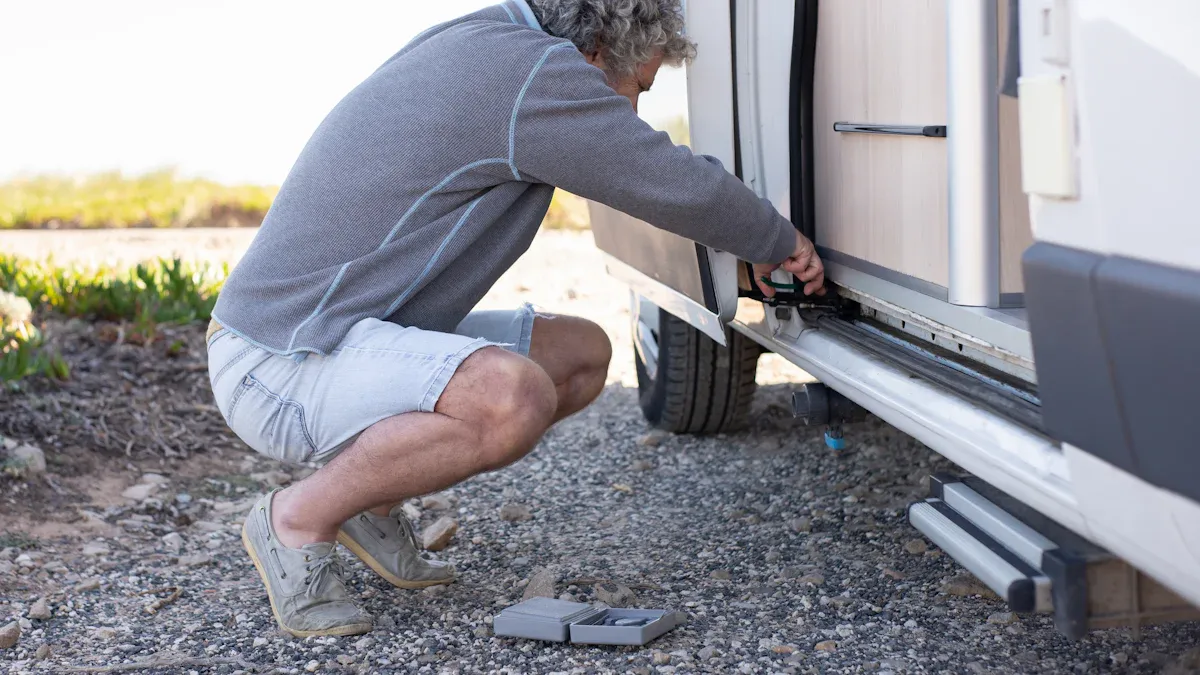
You want your rv to stay secure in every climate and on every road. That is why manufacturers use strict testing methods for keyless rv door locks. These tests show you how well a lock can handle real-world challenges. Cycle testing checks if the lock can open and close thousands of times without failing. Salt spray tests measure how the lock resists corrosion, which is important if you travel near the ocean or in winter conditions. UV exposure tests make sure the lock can handle sunlight and extreme temperatures.
Here is a quick look at the main tests used for rv locks:
Test Type | Description |
|---|---|
Locks tested to 240 hours of salt spray to ensure corrosion resistance. | |
Endurance Testing | 50,000-cycle tests to assess durability under repeated use. |
UV Exposure Testing | Locks designed to withstand heat, frost, and UV exposure for longevity. |
Compliance Testing | All locks meet international standards such as ISO9001 and RoHS compliance. |
You need these tests because your rv faces rain, dust, and sun every day. Waterproof testing is also critical. An IP5 waterproof rating helps prevent water from getting inside the lock. This reduces the risk of rust and electronic failure. In fact, locks with an IP5 rating can lower weather-related failures by 89%. You can trust your rv lock to work even during heavy rain or in humid climates.
The IP5 waterproof rating keeps water out and protects both mechanical and electronic parts.
Salt spray resistance stops rust, so your lock lasts longer.
UV testing ensures the lock will not crack or fade in the sun.
Electronic Reliability and Security
You rely on electronic rv locks for fast, convenient access. These locks must pass special tests to prove they will not fail when you need them most. Manufacturers test the electronic circuits for reliability in hot and cold weather. They also check battery life and make sure the keypad or remote works after thousands of uses.
Security testing is just as important. You want to know your rv is safe from tampering or hacking. That is why brands test for resistance to forced entry and electronic attacks. These tests help you avoid lockouts and keep your belongings safe. When you choose a keyless rv lock that passes all these tests, you get peace of mind for every trip.
Features of Durable RV Door Locks
Materials and Construction in Kinntoo Locks
You want to upgrade your rv door locks because you need protection for your camper, trailer, and rv in every situation. The materials used in your keyless entry lock play a big role in how long your door lock lasts and how well it stands up to thieves. Kinntoo uses zinc alloy and UV-stabilized ABS in its keyless rv lock. These materials give you an extra layer of security and help your lock resist damage from bumps, drops, and harsh weather.
Material | Properties |
|---|---|
Zinc Alloy | High-hardness, waterproof, shockproof, resists temperature extremes |
UV-stabilized ABS | Prevents fading and cracking from sunlight |
Stainless Steel | Strong, corrosion-resistant, suitable for outdoor use |
You get a rugged metal build that stands up to daily use. The zinc alloy construction lets your lock handle extreme temperatures and outside forces. When you upgrade your rv door locks, you choose a product that keeps your camper and trailer secure for years. The durable coating on each lock adds another shield against rust and scratches. This is why kinntoo locks are among the best rv door lock upgrades for your camper or trailer.
Weather Resistance and Electronic Reliability
You need your rv door lock to work in rain, sun, and snow. Weather-resistant materials like zinc alloy and stainless steel protect your entry system from rust and corrosion. UV-stabilized ABS keeps your lock looking new, even after long trips in the sun.
Consider locks made from weather-resistant materials like aluminum or stainless steel, which enhance durability in harsh conditions. Additionally, UV-resistant finishes are crucial to prevent damage from sun exposure, ensuring long-term reliability.
Kinntoo’s integrated keypad uses advanced technology to keep your keyless entry working in all climates. The keypad resists water and dust, so you can trust your entry system even during storms. Electronic parts are sealed to block moisture, which helps prevent failures. This means you can upgrade your rv door locks and know your camper, trailer, and rv will stay secure. High security rv locks with an integrated keypad give you advanced security and peace of mind. When you install your new rv door lock, you protect your camper and trailer from thieves and weather. If you want to know how to install your new rv door lock, look for models that offer easy setup and clear instructions.
You want your RV to stay secure and reliable for years. Durability standards, certifications, and thorough testing help you avoid unexpected failures. When you select keyless RV door locks, look for products that meet international standards. The table below shows how security grades differ:
Grade | Description |
|---|---|
Grade 1 | Highest level of security and durability, ideal for commercial settings with significant usage demands. |
Grade 2 | Balanced performance and cost, suitable for lighter commercial and heavier residential applications. |
Grade 3 | Basic functionality and security, best for low-security applications typically found in interior doors. |
Choose brands like kinntoo that prove their locks meet these standards. You protect your RV and gain peace of mind when you prioritize certified, well-tested solutions.
FAQ
Why do durability standards matter for keyless RV door locks?
You need durability standards because they help you avoid lock failures during trips. These standards ensure your lock works in harsh weather and after repeated use. You get peace of mind knowing your RV stays secure wherever you travel.
Why should you look for certified RV door locks?
Certified locks meet strict quality and safety requirements. You reduce the risk of break-ins and malfunctions. Certifications like ANSI/BHMA and ISO show that your lock passed tough tests for security and durability.
Why does cycle testing improve lock reliability?
Cycle testing shows how many times you can use your lock before it wears out. You want a lock tested for high cycles because it means longer life and fewer replacements. This saves you money and hassle over time.
Why is weather resistance important for RV locks?
Weather resistance protects your lock from rain, dust, and sunlight. You avoid rust and electronic failures. When you choose a weather-resistant lock, you keep your RV secure in any climate or season.
