
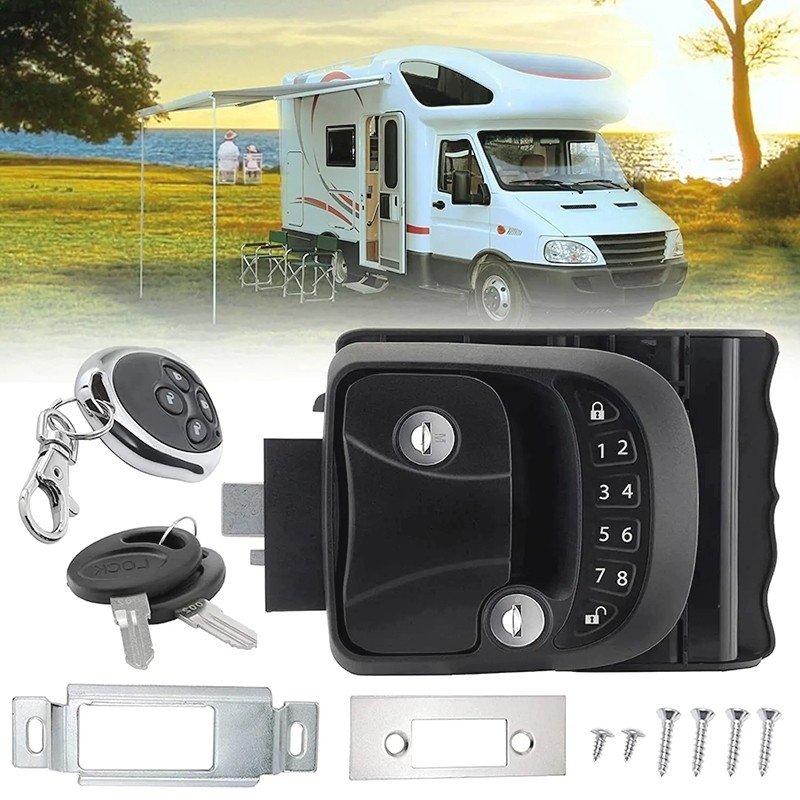
You want your RV to feel like a safe home wherever you park. Customizing an rv door lock gives you better control over who can enter your space. Many RV owners worry about break-ins because standard locks are easy to pick or duplicate.
RV owners frequently express worries about the security of their door locks, especially due to the common use of easily duplicable standard keys like the CH751. This key can unlock multiple compartments, making RVs susceptible to theft. Many RVs are equipped with low-quality locks that should be upgraded to more secure options, such as keypad locks with remotes. The increase in crime rates in RV parks has further intensified these security issues, leading owners to seek improved locking mechanisms.
Customizing an rv door lock doesn’t have to be complicated. You can tackle this project yourself, even if you’re not a pro. When you start customizing an rv door lock, you take real steps to protect your family and your belongings. Customizing an rv door lock helps you travel with confidence and enjoy peace of mind on every adventure.
Key Takeaways
Assess your current RV door lock for wear and damage. Look for rust, corrosion, or signs of tampering to determine if an upgrade is needed.
Consider upgrading to a keyless entry system for added convenience and security. These locks allow you to set your own codes and avoid the risk of lost keys.
Reinforce your RV door with additional hardware like reinforcement plates. This extra layer of protection helps prevent forced entry.
Regularly maintain your lock by cleaning and lubricating it. This simple care can prevent malfunctions and extend the life of your lock.
Invest in a quality alarm or surveillance system. Visible security measures can deter thieves and provide peace of mind while traveling.
Customizing an RV Door Lock: Where to Start
Assessing Your Current Lock
Before you jump into upgrades, take a close look at your current RV door lock. Start by checking how your key works. If you struggle to insert, turn, or remove the key, your lock might have internal wear or damage. Look for any rust, corrosion, or visible dents. These signs show your lock could fail when you need it most.
Ask yourself if your lock uses a basic key, like the common CH751. Many RVs use this key for cargo compartments, which means almost every RV owner has access to the same key. This poses a big security risk. If your lock feels loose or rattles after long drives, vibrations may have weakened its integrity. Also, think about any past security incidents. If you see scratches or marks near the lock, someone may have tried to tamper with it.
Here’s a quick checklist to help you spot problems:
Key is hard to use or feels sticky
Rust, corrosion, or physical damage
Outdated lock technology
Signs of tampering or past break-ins
Desire for modern features like keyless entry
If you notice any of these, it’s time to consider an upgrade.
Identifying Security Gaps
Standard RV locks often have weaknesses that make them easy targets. You might not realize how vulnerable your RV is until you look closer. Here are some common gaps:
Outdated locks that don’t meet today’s security needs
Visible wear and tear from weather or use
Easily compromised key types, especially the CH751
Damage from attempted break-ins
Many RV owners have shared stories about how easy it is to pick standard locks. Even if a thief doesn’t get inside, any attempt means your lock isn’t doing its job.
Kinntoo RV door locks tackle these problems with advanced features. Check out how they compare:
Feature | Description |
|---|---|
Deadbolt Mechanism | Adds extra strength against forced entry. |
Pick-Resistant Design | Makes it tough for thieves to pick the lock. |
Weather Resistance | Keeps your lock working in rain, dust, and sun. |
Advanced Tamper Protection | Uses special technology to stop unauthorized access. |
By spotting weaknesses and knowing your options, you can make smart choices for your RV’s security.
Best RV Door Lock Upgrades with Kinntoo
Keyless Entry Systems
Want to unlock your RV without fumbling for keys? A keyless rv lock gives you that freedom. You can set your own code, use a remote, or even connect with Bluetooth on some models. These locks help you avoid the risk of lost or copied keys. They also let you change codes anytime, which is great if you lend your RV to friends or family.
Here’s a quick look at how keyless entry systems compare to traditional mechanical locks:
Feature | Keyless Entry Systems | Traditional Mechanical Locks |
|---|---|---|
Security Level | Advanced features boost security | Reliable, depends on build quality |
Vulnerability | No physical key to copy | Keys can be duplicated |
Features | Anti-pry, alarm, activity logs | Simple and affordable |
Maintenance | Needs batteries and updates | Low maintenance |
Code Management | Change codes instantly | Fixed key, no flexibility |
You get more control and peace of mind with a keyless system. Many RVers say this is one of the best rv door lock upgrades you can make.
Mechanical Lock Options
Prefer a classic lock and key? Kinntoo’s mechanical locks stand out for their strength and reliability. These locks use heavy-duty steel and pass tough endurance tests. Users report that Kinntoo locks stay rust-free for years, even in harsh weather, while other brands may rust in months. The anti-rattle design keeps your door secure on bumpy roads, and the low warranty return rate means you can trust these locks to last.
Feature | Kinntoo Locks | Other Brands |
|---|---|---|
Construction | Heavy-duty steel | Varies |
Corrosion Resistance | 240-hour salt spray | Varies |
Endurance Testing | 50,000 cycles | Varies |
Warranty Returns | Low | Higher |
Choosing the Right Kinntoo RV Door Lock
Not sure which lock fits your RV? Start by thinking about your needs. Do you want quick access with a keypad, or do you prefer a traditional key? Check your RV’s door size and hardware to make sure the lock will fit. Look for features like weather resistance, user-friendliness, and extra security options like alarms.
Kinntoo offers lots of ways to customize your lock. You can pick different colors, finishes, handle shapes, and even add your own logo. Some models let you add smart features like Bluetooth or a keypad for even more convenience.
Tip: Balance your budget with the features you want. A good lock is an investment in your RV’s safety.
How to Upgrade Your RV Door Locks
Upgrading your RV door locks is one of the best ways to boost your security and travel with confidence. You don’t need to be a professional to get the job done. With a few tools and some simple steps, you can install your new lock and enjoy peace of mind on every trip.
Tools and Preparation
Before you start, gather everything you need. Preparation makes the process smoother and helps you avoid surprises. Here’s a checklist to get you ready:
Check the play in your deadbolt lock. Make sure it has resistance when you turn the handle. If it feels loose or too easy to turn, it’s time for a change.
Open your RV door. Always keep the door open while working to prevent getting locked out.
Remove the inside screws of your door handle. Use a screwdriver that fits the screws snugly.
Unscrew the door edge plate while the door is slightly open. This step helps you access the lock mechanism.
Gather your new Kinntoo RV door lock, fresh batteries (if you’re installing a keyless model), and the user manual.
Keep a small container handy for screws so you don’t lose them.
Tip: Take a quick photo of your current lock setup before removing anything. This makes it easier to remember how everything fits together.
Step-by-Step Installation Guide
Now you’re ready to upgrade your rv door locks. Follow these steps for a smooth installation:
Remove the existing RV door handle by unscrewing the four screws on the inside of the door. Next, take out the two screws from the side strike plate. The handle should pull right out.
Insert batteries into your new lock if you’re using a keyless entry system. Slide the front face of the lock into the cutout in your RV door. Pull the wires through the opening and attach the new strike plate.
Connect the wire harness on each lock face. Make sure the wires are not pinched or twisted.
Attach the two lock faces using the four long screws provided. Tighten them evenly for a secure fit.
Program your key fob and keypad according to the user manual. Test the lock several times to make sure everything works smoothly.
Double-check that the deadbolt and latch engage properly when you lock and unlock the door.
If you’re changing rv door locks for the first time, take your time and follow each step. The process for how to install your new rv door lock is straightforward, especially with Kinntoo’s user-friendly design.
Note: If you run into any trouble, Kinntoo’s support team is ready to help. You can find contact info in your user manual or on their website.
Safety and Maintenance Tips
Once you install your new rv door lock, you want it to last. Regular care keeps your lock working smoothly and your RV secure. Here are some tips to help you avoid common mistakes:
Clean your lock with a soft, damp cloth. Avoid harsh chemicals that can damage the finish or cause corrosion.
Don’t use high-pressure water when washing your RV. Power-washing can force water into the lock and damage internal parts.
Check your lock for signs of wear or damage every few months. Tighten any loose screws and make sure the deadbolt moves freely.
Replace batteries in keyless locks as soon as you see a low-battery warning. Keep a spare set in your RV just in case.
Lubricate the lock mechanism with a silicone-based spray if it starts to feel sticky.
Pro Tip: Neglecting regular maintenance can lead to malfunctions. A few minutes of care can save you from headaches down the road.
When you upgrade your rv door locks, you invest in your safety and comfort. With Kinntoo’s easy installation and reliable performance, you can hit the road knowing your RV is protected.
Door Latch Modification and Extra Security
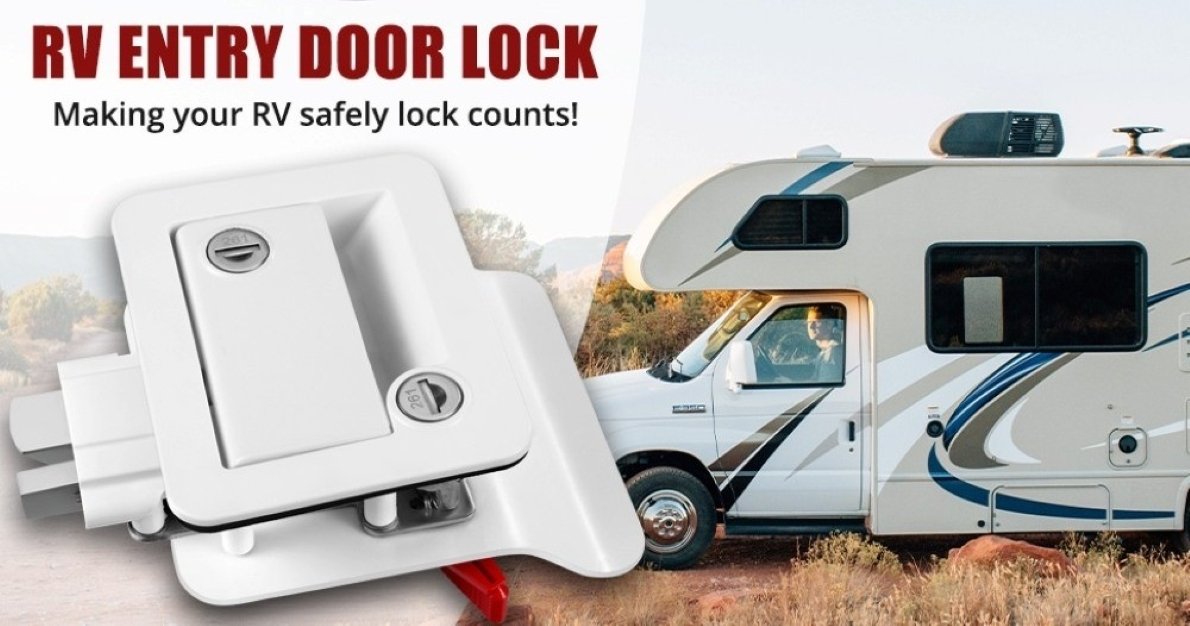
Upgrading your RV door lock is a great start, but you can take your security even further with a few smart add-ons. Door latch modification and extra hardware can make it much harder for anyone to force their way in. Let’s look at some of the best ways to reinforce your RV’s entry points and add extra layers of protection.
Reinforcement Plates and Hardware
You want your RV door to stand up to any attempt at forced entry. Reinforcement plates and latch protectors add strength where it matters most. Here’s a quick guide to some of the most effective options:
Product Name | Description | Material | Link |
|---|---|---|---|
Wrap-around reinforcement plates | Protect hinges, locksets, and strike areas | Stainless Steel | Wrap-around Plate |
Don-Jo Deadbolt Reinforcer | Fits standard latches and cylindrical door locks | Brass/Bronze/Stainless Steel | Deadbolt Reinforcer |
Pro-Lok Latch Protector | Shields latch or deadbolt on outswinging doors | Stainless Steel | Latch Protector |
Don-Jo Outswinging Latch Protector | Designed for outswinging doors | Satin Stainless Steel | |
Don-Jo Pin Latch Protector | Prevents door spreading from frame | Solid Steel | Pin Latch Protector |
You can install these plates with basic tools. They work well with Kinntoo RV door locks, giving you a tough, all-around defense. If you want even more security, ask about custom hardware options from Kinntoo that fit your specific RV model.
Tip: Reinforcement hardware is a smart investment if you park in busy campgrounds or leave your RV unattended for long periods.
Alarm and Surveillance Add-ons
Adding an alarm or surveillance system can make a huge difference. Thieves often skip RVs with visible alarms or cameras. You have several choices:
Local alarm systems scare off intruders with loud sirens.
Smart wireless alarms let you monitor your RV from your phone.
GPS tracking devices help you recover your RV if it’s ever stolen.
Strategy | Description |
|---|---|
Invest in a Quality Alarm System | Deters thieves with motion detectors and GPS tracking |
Choose alarms with loud sirens/lights | Draws attention to break-in attempts |
Opt for mobile connectivity | Lets you check your RV remotely |
Implement GPS tracking | Helps locate your RV if stolen |
You can pair Kinntoo locks with these systems for a complete security setup. Many owners choose a combination of strong locks and smart alarms for peace of mind. If you want to go further, look for surveillance cameras that record activity around your RV.
Note: A visible alarm or camera is often enough to send a thief looking for an easier target.
With the right door latch modification and extra security features, you can relax knowing your RV is protected from every angle.
Troubleshooting and Maintaining Your RV Door Lock
Common Issues and Fixes
You might run into a few problems with your RV door lock, but most have an easy fix. Here are some common issues you could face:
You find it hard to insert or turn your key. This often happens because of a misaligned latch, a jammed keyhole, or a worn-out key.
Your electronic lock stops responding. Sometimes the key fob or digital keypad won’t work.
The door doesn’t close or latch right. Misalignment, damaged seals, or latch problems can cause this.
When you notice these problems, don’t panic. Try these steps to fix them:
Check if the striker plate lines up with the lock. If you need extra force to lock the door, the plate might be off. Adjust its position for a better fit.
If the latch won’t engage, you can grind out the opening in the door frame or move the strike plate. This repair helps the bolt slide in smoothly.
Always check that the deadbolt lines up with the strike plate. Misalignment can stop it from locking.
Tip: Most issues have a quick fix. If you’re stuck, reach out to Kinntoo’s support team for help.
Keeping Your Lock in Top Shape
Regular care keeps your Kinntoo RV door lock working like new. You should inspect your locks every month. Look for signs of tampering, weather damage, or anything that feels off.
Here’s how you can keep your lock in great shape:
Lubricate the lock with a silicone spray. This prevents rust and keeps everything moving smoothly.
For older locks, unscrew the latch, clean the central shaft, and lubricate it before you put it back. If you see heavy corrosion, it’s time for a full repair or replacement.
Adjust the latch or u-shaped bracket if the door doesn’t close right. Sometimes a small bend is all you need for a perfect fit.
Spray silicone on the foam rubber seal to make it last longer. Replace the seal if it starts to break down.
Regular maintenance is the best way to avoid a big door repair later. A little attention now means fewer problems on the road.
You’ve learned how to assess, upgrade, and maintain your RV door lock for better security. Choosing a Kinntoo RV door lock brings lasting benefits:
Factory locks are easy to compromise, but modern locks deter thieves.
Keyless entry adds convenience and peace of mind.
Upgrading reduces the risk of break-ins.
Regularly check your security and update your system. Add motion-sensing lights or change default codes for extra protection.
Take action today. Upgrade your RV door lock and travel with confidence wherever you go! 🛡️
FAQ
How do I know if a Kinntoo lock will fit my RV door?
Check your door’s thickness and the cutout size. Most Kinntoo locks fit standard RV doors (25–45 mm thick, 2-3/4″ to 3-1/2″ cutouts). If you’re unsure, measure your door and compare it to the product specs on Kinntoo’s website.
Can I install a Kinntoo keyless lock myself?
Yes, you can! Kinntoo keyless locks come with clear instructions. You only need basic tools like a screwdriver. Most people finish the job in under 30 minutes. If you get stuck, Kinntoo’s support team can help.
What should I do if my lock keypad stops working?
First, check the batteries. Replace them if needed. If the keypad still doesn’t respond, look for dirt or moisture. Clean the surface gently. If problems continue, contact Kinntoo support for troubleshooting.
How often should I maintain my RV door lock?
You should check your lock every few months. Look for loose screws, dirt, or signs of wear. Clean and lubricate the mechanism as needed. Regular care keeps your lock working smoothly and helps prevent problems on the road.
