
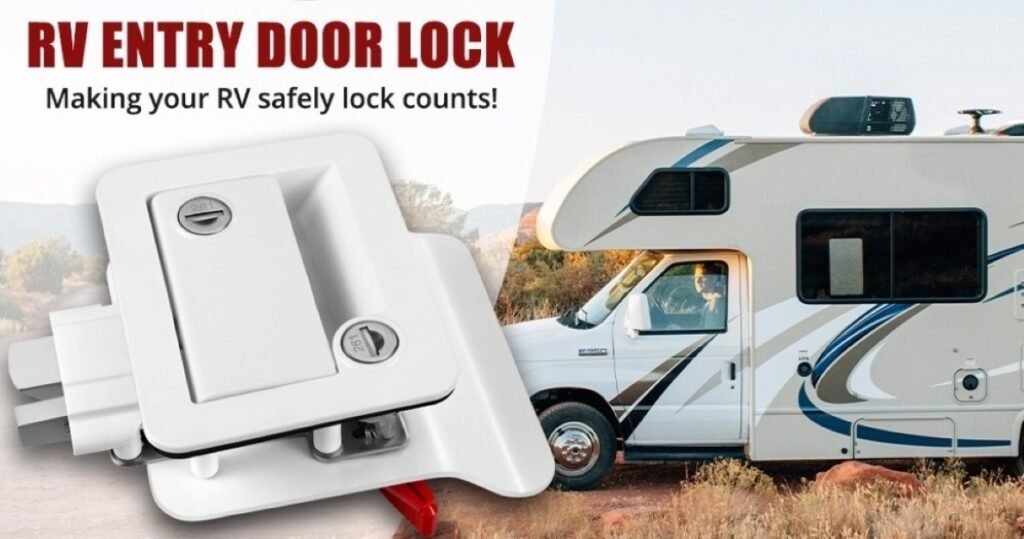
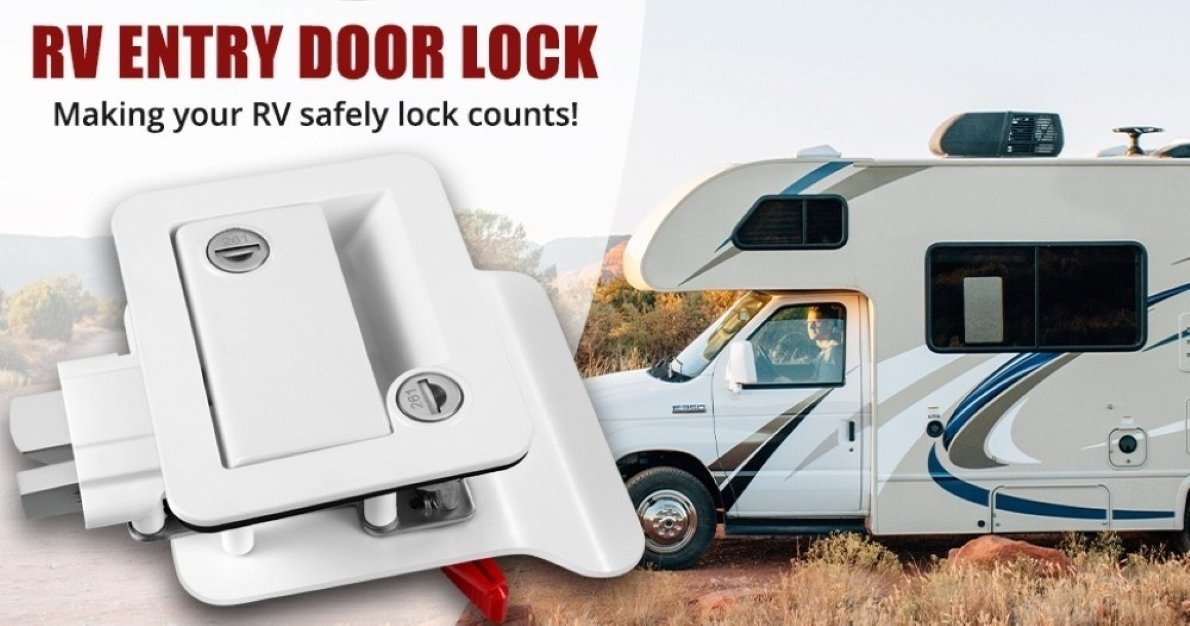
When you shop for RV locks, you want real peace of mind. Look for these four must-have compliance certifications:
ANSI/BHMA Grade 2+ Certification
UL 305 Certification
ISO 9001 Certification
RVIA Certification
These badges show you get locks that meet strict standards for safety, quality, and legal requirements. You can trust products with these marks. Always ask suppliers to prove their certifications before you buy.
Key Takeaways
Look for ANSI/BHMA Grade 2+ certification for durable and secure RV locks. This ensures your lock can withstand tough conditions and frequent use.
Choose locks with UL 305 certification for safety in emergencies. This certification guarantees that your lock will function properly under stress and extreme conditions.
Select suppliers with ISO 9001 certification to ensure consistent quality. This certification indicates that the supplier follows strict quality management practices.
Always check for RVIA certification to confirm that the lock meets RV industry standards. This protects you from potential legal issues and ensures compatibility with your RV.
Verify compliance certifications by asking suppliers for official documents and using online databases. This step helps you avoid unreliable products and ensures safety.
1. ANSI/BHMA Grade 2+ Certification
What is ANSI/BHMA Grade 2+?
You might see the ANSI/BHMA Grade 2+ label when you shop for RV locks. This certification comes from the American National Standards Institute (ANSI) and the Builders Hardware Manufacturers Association (BHMA). It means the lock meets strict standards for durability, strength, and security. Grade 2+ is a step above basic residential locks. You get a lock that can handle tough conditions and frequent use.
Here’s a quick look at what Grade 2+ requires:
Requirement | Details |
|---|---|
Operational Testing | Same standards as Grade 1 for mortise and latch locks |
Cycle Durability | Mortise: 800,000 cycles; Latch: 500,000 cycles |
Strength Requirements | Knobs: 300 lbf-in.; Levers: 450 lbf-in. (A156.13); Knobs: 150 lbf-in. (A156.2); Levers: 450 lbf-in. (A156.2) |
Security Testing | Mortise: 5 blows of 75 ft-lbf; Latch: 2 blows of 60 ft-lbf, 2 blows of 90 ft-lbf |
Material Evaluation | Heavy-duty materials, 0.1-inch thickness |
Finish Testing | Resists corrosion, wear, and environmental factors |
Why it matters for RV locks
You want your RV lock to stand up to road trips, weather, and daily use. Grade 2+ locks go through tough cycle and strength tests. They use heavy-duty materials and resist corrosion. This means your lock won’t fail when you need it most. When you see this certification, you know the lock meets industry standards for safety and reliability.
Tip: Always check for ANSI/BHMA Grade 2+ when you compare RV lock options. It’s one of the top compliance certifications for peace of mind.
Reliability and safety benefits
Locks with Grade 2+ certification give you more than just security. You get a product that lasts longer and works smoothly. The cycle durability test shows the lock can handle thousands of uses. The finish testing means it won’t rust or wear out quickly. These compliance certifications help you avoid breakdowns and keep your RV safe. You spend less time worrying and more time enjoying your travels.
2. UL 305 Certification
What is UL 305?
You might see UL 305 listed when you compare RV locks. This certification comes from Underwriters Laboratories (UL). It focuses on panic hardware and emergency exit devices. UL 305 means the lock meets strict safety standards for quick and safe egress. If you want to make sure your RV lock works in emergencies, look for this mark.
Security and performance standards
UL 305 sets tough requirements for RV locks. You get peace of mind knowing your lock has passed several demanding tests. Here’s a quick look at the main testing procedures:
Test Type | Maximum Force | Measurement Point |
|---|---|---|
Initial actuation | 15 lbs (66 N) | Center of push pad |
Continued operation | 7 lbs (31 N) | After latch release |
End actuation | 15 lbs (66 N) | 3″ from each end |
Preload test | 250 lbs perpendicular | N/A |
Side load test | 75 lbs parallel | N/A |
Torque test | 150 lb-in to handles | N/A |
Temperature test | -31°F to 180°F | N/A |
Salt spray exposure | 240 hours | Exterior hardware |
These tests check if the lock can handle force, extreme temperatures, and corrosion. You want a lock that works in all conditions, not just on sunny days.
Tip: If you see UL 305 on a product, you know it’s built for emergencies and tough environments.
Impact on RV lock reliability
UL 305 certified locks give you more than just safety. You get reliable performance every time you use your RV. The certification means your lock won’t jam or fail when you need it most. You can trust brands like Sentinel Door and Von Duprin, which offer UL 305 certified RV locks. These suppliers also hold other compliance certifications, so you know you’re getting top-quality products.
Supplier | Product Link | Certifications |
|---|---|---|
Sentinel Door | VD-99EO-48-US28 | ANSI/BHMA A156.3-2014 Grade 1, ANSI/UL 305, ANSI/UL 10C (fire rated only) |
Von Duprin | 996KNL-R/V | ANSI/BHMA A156.3-2014 Grade 1, ANSI/UL 10C (fire-rated configurations), ANSI/UL 305, CAN/ULC-S104 (fire-rated configurations), CAN/ULC-S132 |
When you choose UL 305 certified locks, you protect your RV and your family. You also meet important compliance certifications that many insurance companies and campgrounds require. Don’t settle for less—make sure your RV lock has this certification before you hit the road.
3. ISO 9001 Certification
What is ISO 9001?
ISO 9001 Certification sets the gold standard for quality management systems. You see this mark on RV lock suppliers who care about delivering consistent, high-quality products. ISO 9001 comes from the International Organization for Standardization. It means the company follows strict rules for managing every step of production. You get locks that meet global expectations for reliability and safety.
Quality management for suppliers
When you choose a supplier with ISO 9001 Certification, you know they take quality seriously. They use a standardized approach to manage raw materials, production, and testing. You get more than just a promise—you see real results in every lock. Here are some key benefits you enjoy:
Improved operational efficiency
Access to new markets and growth opportunities
Standardized quality management mode
Strict control over materials, manufacturing, and product testing
Tip: Ask your supplier for proof of ISO 9001 Certification. This step helps you avoid unreliable products and ensures you get locks that last.
Ensuring consistent product quality
You want every RV lock to work perfectly, no matter when you buy it. ISO 9001 Certification helps suppliers deliver that consistency. Companies with this certification often have over 15 years of experience. They provide full inspection reports for each batch. In-house testing checks every lock before it leaves the factory. You get peace of mind knowing your lock will perform as promised.
Evidence Description | Details |
|---|---|
Industry Expertise | Over 15 years of experience with ISO 9001:2015 certification ensures high-quality locks. |
Inspection Reports | Each production batch includes full inspection reports, ensuring reliability and performance. |
Consistent Quality | In-house testing validates that every lock produced maintains the same quality across orders. |
When you look for compliance certifications, ISO 9001 stands out for its focus on quality and reliability. You protect your RV and your investment by choosing suppliers who meet this international standard.
4. RVIA Certification
What is RVIA Certification?
You might see RVIA Certification when you shop for RV locks. RVIA stands for the Recreation Vehicle Industry Association. This certification shows that a product meets strict standards set by the RV industry. You get assurance that your lock fits the unique needs of RVs. RVIA Certification covers safety, construction, and performance. You know the lock has passed tests for real-world use in recreational vehicles.
RV industry standards compliance
RVIA sets the rules for what makes a lock safe and reliable for RVs. You want a lock that matches the standards used by top RV manufacturers. RVIA Certification means the lock follows guidelines for installation, durability, and emergency access. You avoid problems with insurance, campground entry, and warranty claims. Here are some key points RVIA checks:
Safety features for travelers
Compatibility with RV doors and frames
Resistance to weather and vibration
Emergency exit requirements
Tip: Always ask your supplier if their locks have RVIA Certification. This step helps you avoid headaches down the road.
Importance for RV lock suppliers
If you buy from a supplier without RVIA Certification, you risk more than just poor quality. You could face legal trouble or zoning issues. Suppliers who skip RVIA Certification may not get support from the industry if something goes wrong.
Operating without RVIA Certification can lead to local zoning issues for customers and potential enforcement investigations by state or federal housing regulators. Additionally, RVIA will not support manufacturers facing government actions if they are found to be in violation of regulations.
You want a supplier who values compliance certifications. RVIA Certification protects you and your investment. It shows the supplier cares about meeting industry standards and keeping you safe. When you see this certification, you know the lock is ready for life on the road.
How to verify compliance certifications
You want to make sure your RV lock supplier really holds the right compliance certifications. Here’s how you can check:
Checking official documents
Ask the supplier for official certificates. These should include the certification number, issuing body, and expiration date.
Look for details like the company name and product model on the certificate. Make sure they match what you plan to buy.
Some programs, like the BHMA CPD for ANSI/BHMA, require periodic recertification. Check the date to see if the certification is still valid.
Certification Program | Description |
|---|---|
ANSI/BHMA | Manufacturers join the BHMA CPD. Independent labs test products. Recertification is required to keep certified status. |
UL 305 | UL issues certificates after testing. Look for the UL mark and certificate number. |
ISO 9001 | Suppliers get certificates from accredited bodies. The document should show the ISO 9001:2015 standard. |
RVIA | RVIA provides certificates for products that meet RV industry standards. |
Tip: If a supplier hesitates to show you these documents, consider it a red flag.
Using certification databases
Use online databases to double-check certifications. For example, UL Product iQ® lets you search for UL 305 certified products by company name or certificate number.
These databases show you certification letters and product details. You can trust the information because it comes from independent sources.
Many certification bodies have their own search tools. Use them to confirm the supplier’s claims.
Questions to ask suppliers
Can you provide current certificates for all compliance certifications listed?
Who issued the certificates, and when do they expire?
Are your products listed in any public certification databases?
How often do you renew or update your certifications?
Asking these questions helps you avoid fake or expired certificates. You get peace of mind knowing your RV locks meet the highest standards.
Choosing RV lock suppliers with the right compliance certifications protects your RV and your wallet. Certified suppliers help you avoid warranty headaches and reduce returns, as shown below:
Warranty Coverage | Details |
|---|---|
One Year Warranty | Customers pay shipping and handling. All claims get reviewed. |
Replacement Policy | Defects fixed with replacement parts for easy self-installation. |
Exclusions | No coverage for abuse, wear, accidental, or cosmetic damage. |
You can check supplier certifications by reviewing documents and using official databases. Distributors do this to keep you safe and protect their reputation. Always ask for proof before you buy.
FAQ
What do compliance certifications mean for RV locks?
Certifications show you that a lock meets strict safety and quality standards. You get peace of mind knowing your lock is tested for reliability and legal compliance.
How can I check if a supplier’s certification is real?
Ask for official certificates.
Use online databases like UL Product iQ®.
Check the expiration date and issuing body.
Do certified RV locks cost more?
You might pay a little extra for certified locks. You get better durability, safety, and fewer headaches. Many RV owners say the extra cost is worth it.
Why does RVIA Certification matter for my RV lock?
RVIA Certification means your lock meets industry standards. You avoid problems with insurance, campground entry, and warranty claims.
Can I trust a lock without these certifications?
You risk poor quality and safety issues. Certified locks protect your RV and your family. Always choose products with the right compliance certifications.
