Do I need special locks for trailer parking? Yes—a coupler or hitch lock, wheel locks or chock locks, and a hardened padlock with a security chain give you the core setup for trailer parking. These special locks work together. Each one blocks a different theft method.
The best setup depends on your trailer type, your parking location, and your budget. A boat trailer in a driveway has different needs than a utility trailer in a storage lot.
This guide shows you the types of locks commonly used for trailer parking. You will learn how to pick and use special locks for trailer parking with confidence. Good trailer locks protect your investment, and the right choices make your security routine simple.
Key Takeaways
Use a coupler lock and wheel locks together to block common theft methods.
Choose locks made of hardened steel for better cut resistance.
Match your locks to your trailer type and parking location for best protection.
Upgrade to heavy-duty locks for long-term storage or high-theft areas.
Keep your locks clean and lubricated to ensure they work when needed.
Why Trailer Security Matters at Parking
Theft Risks for Parked Trailers
A trailer that sits parked is a simple target. Thieves learn the usual tricks, and they work quickly. The table below shows how each trick works.
Theft Method | How It Works |
|---|---|
Hitch-and-go | A coupler that is not locked hooks to a hitch ball, and the trailer gets towed away in less than a minute, with no tools needed. |
Cutting cheap locks and chains | Bolt cutters or small grinders break soft-metal shackles and thin chains in seconds. |
Safety-chain towing | Loose chains loop onto a hitch receiver and get pinned, which skips the coupler completely. |
Dolly or jack lifting | A jack or dolly lifts the tongue so a locked trailer can still be rolled away. |
Flatbed or winch-based theft | A winch cable hooks to the frame or axle and drags the trailer onto a flatbed. |
Content-based theft | Enclosed trailers get targeted for the tools and equipment inside. |
VIN removal | Thieves erase the identity within hours, which makes recovery almost impossible. |
You can see the pattern. Each trick beats one weak spot. A coupler lock alone stops hitch-and-go, but it does nothing against a dolly. Layered trailer security closes those gaps. Good theft prevention means blocking several tricks at once.
Insurance and Legal Angles
Your locks may affect an insurance claim, but they do not promise approval. Insurers check ownership records, policy coverage, timely notice, and proof that a theft really happened. Weak paperwork makes a claim harder from the start. A missing police report is another big problem.
Anti-theft devices may possibly lower premiums, but not on their own. Ask your insurer whether discounts exist and which devices qualify. Keep receipts, product information, installation records, and photos of your security setup. These records answer underwriting questions correctly.
Legal rules differ by state and city. Some areas control how long you may leave trailers on public streets or in shared lots. Check your local rules before you park long-term. Solid trailer locks support your claim and your compliance, but the policy terms and local law are still the deciding factors.
Special Locks for Trailer Parking: Main Types
Coupler and Hitch Locks
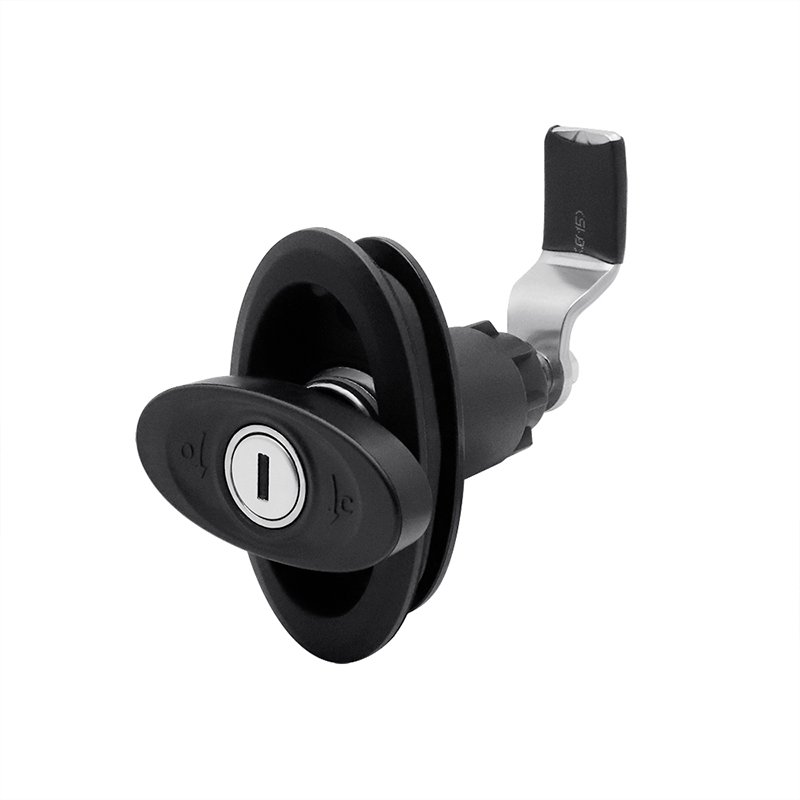
A trailer coupler lock covers the ball socket on the tongue. A thief cannot drop that socket onto a hitch ball, so the trailer stays where you left it. A locking hitch pin on the receiver plays a different role. It holds the ball mount in place while you tow, and it stops someone from pulling the pin and swapping in their own mount. Together, these two devices close the most common theft path.
You will find coupler locks in two broad designs. Universal or adjustable models fit a range of coupler sizes, which makes them versatile. Fixed-design models match one coupler size for a tighter fit. Material matters just as much. Hardened steel bodies resist cutting, drilling, and sledgehammer impact. Thick, rounded casings and shrouds deny a grinder wheel a good angle. Chrome plating or powder coat keeps rust away from the structure and the mechanism.
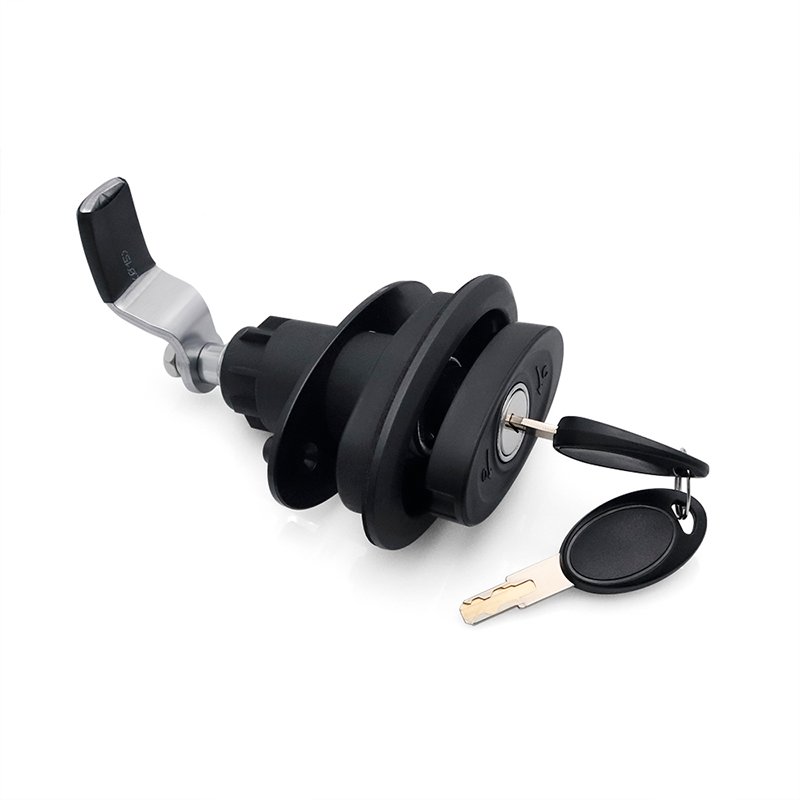
Kinntoo rv hitch locks bring these features together in one unit. Each lock has a hardened steel body, an alloy shackle, and a corrosion-resistant coating. The fit covers 1-7/8″, 2″, and 2-5/16″ couplers, and keyed-alike options simplify key management for fleets. A sealed keyway keeps dust and water out, and every lock is cycle tested for over 5,000 lock/unlock operations. That is the kind of precision-fit coupler lock that turns a weak point into a real barrier.
Wheel Locks and Chain Setups
A coupler lock stops one attack. A thief can still lift the tongue or drag the frame. Wheel hardware adds the second layer. A wheel boot or clamp wraps around the wheel and locks in place, so the wheel cannot rotate. On tandem-axle trailers, choose an immobilizer that controls the space between both tires. Pick a bright, visible device, because a clear deterrent discourages a thief before tools come out. Wheel chock locks serve two purposes at once: they stop rolling and they signal that moving the trailer would be slow and risky. Use chocks on both sides of a tire on slopes, but treat them as a supplement, not a theft lock.
Chain setups complete the picture. Install a fixed ground anchor in concrete, run a hardened chain through a closed frame section, and secure it with a guarded padlock. Keep the chain off open ground, where firm support makes cutting easier. Wrap it around the axle or frame, never around wheels, jacks, or fenders. Inspect the setup for rust, worn links, and loose fasteners before each use.
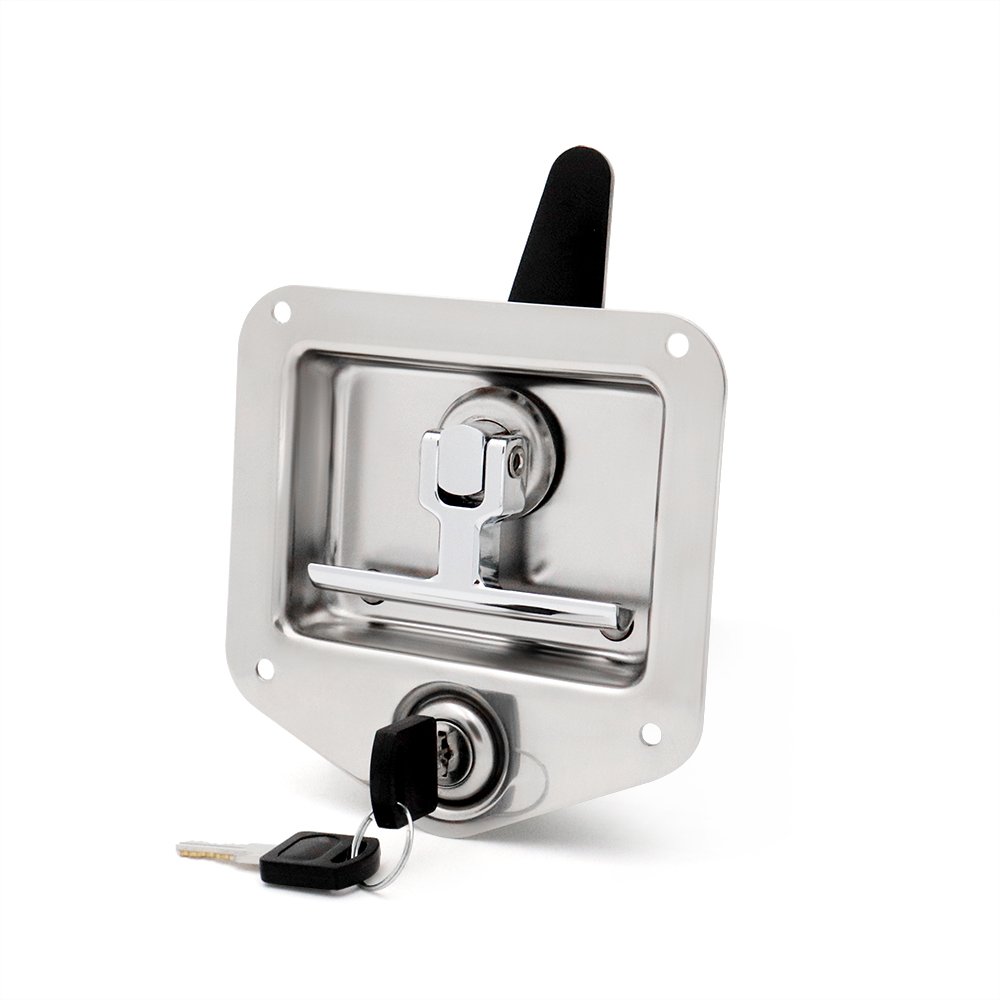
For a theft-resistant trailer setup, layer three pieces: a hardened coupler lock on the tongue, strong wheel locks, and puck door locks on rear access. These special locks cover the coupler, the wheels, and the cargo door. No single device does all three jobs. That is why special locks for trailer parking work best as a system, and why owners who lock your trailer to a truck at the ramp should still fit a coupler lock at the storage lot.
How to Choose Trailer Locks
Material, Fit, and Weather Resistance
The material decides how well a lock resists cutting, and the coating decides how long it lasts outdoors. Compare the common options before you buy.
Material | Cutting Resistance | Corrosion Resistance |
|---|---|---|
Hardened steel | High — heat-treated to resist cutting and drilling | Relies on coating |
Stainless steel | Significant strength | Excellent — ideal for marine and harsh weather |
Chrome-plated steel | Not specified | Rust resistant |
Powder coating (finish) | N/A | Barrier against moisture, road salt, and corrosive elements |
Hardened steel is the top choice for trailer locks. Stainless steel works well in wet places. Stay away from cheap locks made of thin cast metals that break with basic tools. Look for rubber keyhole covers, waterproof seals, and stainless parts inside. Weather resistance matters because rust can jam the mechanism so the key will not turn. A rusted pin also gets brittle and weak.
Fit comes next. Most couplers have their size stamped on them, and the right size is the base of a snug fit. A lock that is too loose can be pried off. Check the coupler type, latch design, and hitch ball size before you order. A fixed design leaves no room to pry, while a universal model adds flexibility but can create slack. Measure the trailer coupler instead of guessing.
Ease of use keeps your routine steady. Keyed-alike systems let one key open every trailer, gate, and storage box on a site. Drivers carry less, move faster, and lose fewer keys. Locking compliance goes up when locking up is simple.
Matching Locks to Trailer and Location
Match the lock to the trailer and the spot where it stays. A boat trailer near saltwater needs marine-grade metals with stainless parts and weather seals. Saltwater acts as an electrolyte that quickly rusts standard steel. Add a swing-away tongue lock and a wheel boot for coastal storage.
A utility trailer in a driveway needs a precision-fit coupler lock on the tongue and a locking hitch pin on the receiver. A camper in a storage lot benefits from heavy-duty coupler locks plus wheel locks and puck door locks. These factors to consider when choosing a lock for trailer parking decide your final list: trailer type, parking location, and budget.
Layered security beats any single device. Pair special locks with a ground anchor and a hardened chain. These factors to consider when choosing a lock for trailer parking also include maintenance. Lubricate the mechanism in freezing climates, and check for rust before each trip. Good trailer locks protect trailers, and smart choices protect your trailer hitch lock investment for years.
Standard vs. Heavy-Duty Trailer Security
When Basic Locks Are Enough
You don’t need extreme security every night, but you do need steady protection. Basic deterrent locks work for short-term parking with low theft risk, especially when budget is your main concern. In low-risk areas or for short-term parking, a properly fitted wheel lock can be enough by itself.
Think about your routine. A trailer that sits in your driveway for a few hours while you eat dinner faces a different risk than one stored all winter. Match the lock to the exposure. A simple coupler lock and a wheel chock handle the short window well. These trailer locks cost less and take seconds to fit.
When to Upgrade Protection
Long-term storage and high-theft areas call for heavy-duty trailer locks. Standard locks can be broken or picked with simple tools, letting thieves get in within minutes when owners have not upgraded to high-security options. Cheap or universal locks offer little resistance, and standard tools defeat them fast, even in busy locations.
Heavy-duty trailer locks add features that fight power tools. Rotating collars stop a grinder wheel from getting a stable bite. Anti-drill plates resist drilling on the mechanism. Complex shapes make it hard for a grinder wheel to catch, and special steel alloys give exceptional toughness against cutting. Hardened steel construction stands up to angle-grinder attacks, and angle-defeating designs deny the cutting wheel a good angle.
No lock is fully theft-proof against heavy power tools. The real value is deterrence and time delay. A thief who must spend more time, make more noise, and take greater risks often walks away.
Add simple extras to your theft-resistant trailer setup. A locking hitch pin secures the ball mount to the receiver while the trailer stays attached. A second locking hitch pin or a padlock through the safety chains stops a thief from dragging the trailer by its chains. Wheel chocks and regular lubrication in freezing climates round out your extra security measures beyond trailer locks. Layer these with your special locks, and your trailers stay protected at every connection point.
Cost and Value of Trailer Locks
What You Get at Each Price Point
Price tells you a lot about construction. Budget models keep costs low, and mid-range models add better materials and tighter tolerances. Premium models bring custom fit and advanced cores. The table below shows real market examples.
Product | Price (USD) |
|---|---|
Master Lock Heavy Duty Outdoor Padlock, Hidden Shackle (Budget) | $29.98 |
Abloy Protec2 PL 975 Hardened Steel Puck Padlock | $160 |
MUL-T-LOCK MTL600 TR100 Hockey Puck Padlock | $190.55 |
Nemesis Heavy-Duty Wheel Clamp | $200 |
Durable, weather-resistant locks reduce replacement costs over time. Budget locks with lower-grade materials rust fast in damp or salty conditions. Mid-range locks use stainless steel, heavy-duty brass, shrouded shackles, and protective coatings. Premium locks use solid stainless steel or top-tier alloys with pick-resistant cylinders. A weather-resistant finish costs more up front, but it extends the hardware’s lifespan and cuts maintenance. That lowers your total cost.
Do I Need Special Locks for Trailer Parking?
Yes. Do I need special locks for trailer parking? The answer stays the same for almost every owner. Standard padlocks alone do not secure the trailer coupler or the wheels. A thief can still hitch your trailer and drive away. Special locks for trailer parking close that gap. A trailer coupler lock blocks the ball socket, and wheel hardware stops rolling. These special locks for trailer parking give you real protection.
Do I need special locks for trailer parking if I store my trailers in a locked yard? Yes, because yard gates fail and thieves plan around them. Layer a coupler lock, wheel locks, and a trailer hitch lock. Heavy-duty trailer locks add rotating collars and anti-drill plates for long storage. Kinntoo builds rv hitch locks with in-house salt spray, torque, and waterproof testing. The company also supports OEM and wholesale orders. Good security starts with the right trailer locks, and the right trailer locks start with a clear plan.
A coupler or hitch lock plus wheel locks gives you a solid base for trailer parking. Upgrade to heavy-duty versions when you store trailers long-term or park in high-theft areas. These special locks work as a team, and each one blocks a different attack.
Match your locks to the trailer type, the parking spot, and your budget. Maintain them with regular cleaning and lubrication, and check for rust before each trip. Good security habits protect your investment.
You know how to secure a trailer when parked. Take action today: fit a quality coupler lock, add wheel locks, and make theft a hard job for any thief. Your trailer locks will reward you with years of reliable service.
FAQ
Do I need special locks for trailer parking?
Yes. Standard padlocks leave the coupler and wheels exposed. A coupler lock, wheel locks, and a hardened padlock with chain block the main theft methods. Match your trailer locks to your trailer type and parking spot.
Is a coupler lock enough on its own?
No. A coupler lock stops a thief from hitching your trailer. It does not stop rolling or lifting. Add wheel locks and door locks for full coverage. Layered security slows a thief at every connection point.
Can I leave the lock on while towing?
No. Coupler and hitch locks are for stationary use only. Remove them before you tow. A lock left on the coupler prevents a safe connection and creates a real hazard on the road.
How do I maintain trailer locks?
Keep the keyway clean and lubricated. Inspect for rust, worn keys, and loose parts before each trip. In freezing climates, lubricate more often. Good care keeps the mechanism working and extends the life of your locks.
Will locks stop a determined thief?
No lock is fully theft-proof against heavy power tools. The value is deterrence and time delay. A thief who needs more time and makes more noise often gives up. Pair locks with a ground anchor and chain for stronger trailer parking security.