

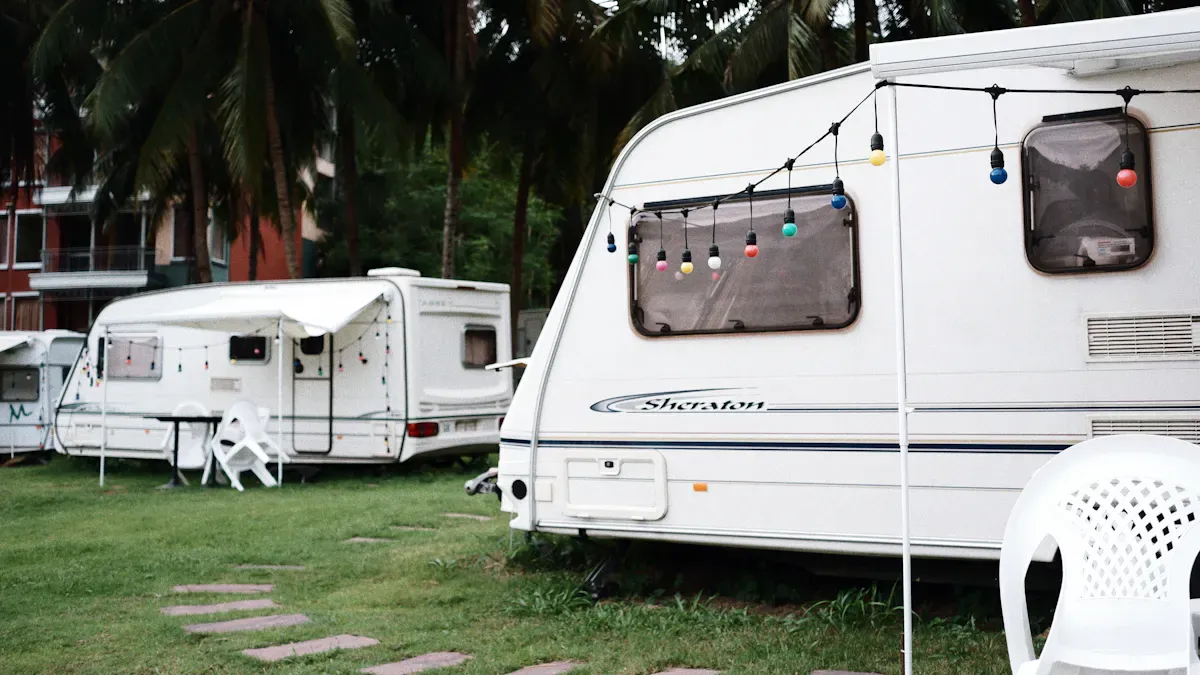
You want real protection when you lock your rv door. Third-party lab tests give you confidence that your door lock stands up to real threats. These independent checks prove the lock’s quality and boost your safety. You deserve peace of mind every time you secure your rv. Trust only locks that pass strict third-party lab tests.
Key Takeaways
Always demand third-party lab test reports for RV door locks to ensure safety and quality.
Choose locks that have passed rigorous testing to protect against break-ins and tampering.
Look for certifications like ISO 9001 and ASTM to verify the durability and reliability of your RV door locks.
Investing in tested locks saves money in the long run by reducing the risk of failures and costly repairs.
Ask specific questions about testing and certifications when purchasing RV door locks to ensure you make a safe choice.
Third-party lab tests and rv door lock safety
Why independent testing matters for rv owners
You want your rv door to protect you and your belongings. Third-party lab tests give you proof that your lock can handle real threats. These tests use strict methods to check the lock’s strength, durability, and resistance to tampering. You should not trust only factory results. Independent testing shows you the true quality of your rv door lock. OEMs need to demand third-party test reports because in-house results can miss hidden flaws. When you see a lock that is rigorously tested by an outside lab, you know it meets high safety standards. You can justify the testing budget to your leadership by showing that third-party lab tests reduce risks and prevent costly failures.
Tip: Always ask for third-party lab test reports before buying rv door locks. This protects your investment and keeps your rv safe.
How kinntoo ensures rv door lock safety
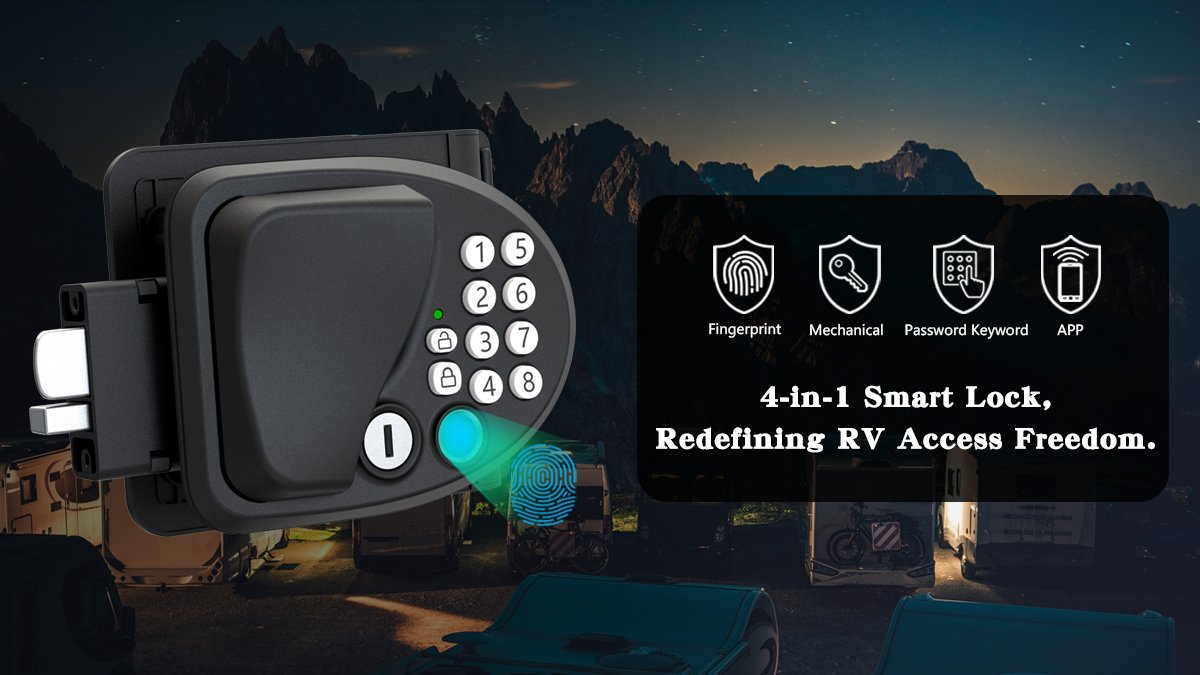
Kinntoo takes safety and quality seriously. You get rv door locks that are tested beyond basic requirements. Kinntoo uses third-party labs to verify every lock’s performance. The company checks for cycle life, weather resistance, and security against forced entry. You benefit from locks that pass international standards and certifications. Kinntoo’s testing covers mechanical and keyless door locks, so you can choose the best option for your rv. You see clear test results and certifications, making it easy to trust the product.
Kinntoo Testing Features | What You Get |
|---|---|
Third-party lab tests | Verified safety and quality |
Cycle life test | Long-lasting door locks |
Tamper resistance | Strong protection for your rv |
Weatherproof testing | Reliable locks in any climate |
You deserve rv door locks that are tested, proven, and ready for real-world use. Kinntoo delivers this peace of mind with every lock.
Key benefits of third-party lab tests for rv door locks
Security against break-ins and tampering
You want to secure your rv with confidence. When you choose a lock that passes third-party lab tests, you know it can stand up to real threats. These tests simulate break-in attempts and tampering, so you see how the lock performs under pressure. You do not have to guess if your door will hold up. You get proof that your rv door lock and actuator can resist forced entry, picking, and prying. This level of security protects your family and your belongings every time you travel.
OEMs and buyers should always demand third-party test reports. Factory results may look good, but only independent testing reveals hidden weaknesses. When you test the lock in a certified lab, you get unbiased results. You can show your leadership that investing in third-party lab tests reduces the risk of theft and costly warranty claims. You make a strong case for prioritizing safety and quality.
Note: A rigorously tested door lock actuator gives you peace of mind. You know your rv is protected, even when you are far from home.
Verifying rv door lock quality and durability
You need a lock that lasts. Third-party lab tests check the quality and durability of every door lock and actuator. These tests push the lock through thousands of cycles, exposing it to harsh weather, dust, and moisture. You see how the actuator and lock perform after repeated use. You do not have to worry about early failures or breakdowns.
When you choose a lock that passes these tests, you get a product built for the long haul. You avoid the hassle of frequent replacements. You save money and time. You also protect your rv from unexpected lockouts or security failures. Quality equals safety. When you invest in a high-quality door lock actuator, you invest in your own peace of mind.
Meeting industry standards with kinntoo rv locks
Kinntoo makes it easy to choose locks that meet the highest standards. Every Kinntoo rv door lock and actuator goes through strict third-party lab tests. You get products that comply with international requirements for safety, quality, and environmental protection.
You can trust Kinntoo because the company meets these standards:
ISO 14001 for environmental safety
RoHS compliance for environmental protection
REACH regulations for environmental safety
When you see these certifications, you know your rv door lock and actuator are built to last. You can show your customers and leadership that you chose a product that meets global standards. You reduce risks, improve your reputation, and deliver real value.
Tip: Always look for locks and actuators with clear certifications. This is the best way to guarantee safety and quality for your rv.
Risks of skipping third-party lab tests in rv locks
Increased theft and safety concerns
You put your rv at risk when you choose a door lock without third-party lab tests. Untested locks often fail to protect against break-ins. Thieves target weak locks and cheap knock-off aftermarket products. You lose your belongings and your sense of security. You want to feel safe every time you close your rv door. Skipping independent testing leaves you exposed to real threats. You cannot trust a lock that only passes factory checks. OEMs must demand third-party test reports to guarantee safety for their customers. You can show your leadership that investing in proper testing prevents costly theft and protects your reputation.
Alert: Untested rv door locks make your vehicle an easy target. Insist on locks that pass strict third-party lab tests.
Quality issues and lack of accountability
You face quality problems when you buy rv door locks without verified testing. Untested locks break down faster and cause lockouts. You spend more money on replacements and repairs. You cannot rely on a lock that skips third-party lab tests. Factory results may hide flaws that only appear in real-world use. You need proof that your door lock meets high standards. OEMs should always require independent testing to avoid warranty claims and customer complaints. You can justify the testing budget by showing that third-party lab tests reduce long-term costs and improve product reliability.
Choose locks with verified third-party lab tests.
Protect your rv and your investment.
Demand accountability from manufacturers.
You deserve a door lock that delivers safety, quality, and peace of mind. Make third-party lab tests your standard for every rv door lock.
How to identify quality rv door locks and actuators
Certifications and labels to look for
You want to trust your rv door lock and actuator. Start by checking for certifications and labels that prove third-party testing. These marks show that the lock and actuator meet strict standards for quality and safety. When you see these certifications, you know the product has passed real-world tests, not just factory checks. Always look for these on the packaging or in the product description:
Certification | Purpose |
|---|---|
ISO 9001 | Quality management |
ISO 14001 | Environmental safety |
ASTM | Strength and reliability |
ANSI/BHMA | Strength and reliability |
RoHS | Environmental protection |
Tip: If you do not see these certifications, ask for third-party test reports before you buy or replace entryway locks.
Questions to ask about kinntoo rv door locks
You need to make sure your rv door lock and actuator are truly tested. Do not settle for in-house results. Ask your retailer or manufacturer these questions to confirm third-party testing and quality:
Does the lock have ISO 9001 and ISO 14001 certifications?
Has the actuator passed ASTM and ANSI/BHMA strength tests?
Is the lock RoHS compliant for environmental safety?
Can you provide third-party lab test reports for the door lock actuator?
What warranty do you offer on the replacement door actuator?
Use these questions to justify your testing budget to leadership. You show that third-party testing reduces risks, lowers warranty claims, and protects your investment.
Choosing the right door lock actuator for rv safety
You want the best protection for your rv. Choose a door lock actuator that stands up to tough conditions and meets all standards. Look for these features when you select a replacement door actuator:
The actuator must comply with FMVSS 206 for safety.
The actuator should pass rigorous cycle testing for long-term reliability.
The actuator needs to use quality materials like upgraded plastics and corrosion-resistant parts.
The manufacturer should back the actuator with a solid warranty.
Quality equals safety. When you test the lock with third-party labs, you get proof that your rv door and actuator will protect you on every trip.
5 triggers for OEMs to demand third-party lab testing and what to include in RFQs:
Corrosion resistance: Specify salt spray testing in your RFQ.
Cycle durability: Require cycle life testing for the actuator and lock.
Water and dust ingress: Ask for IP-rated ingress testing.
Material quality: Request documentation of upgraded plastics and corrosion-resistant alloys.
Security performance: Demand forced entry and tamper resistance test reports.
Always insist on third-party test reports in your RFQ. This ensures you get a lock and actuator that deliver real-world safety and reliability.
You want real safety for your rv. Third-party lab testing gives you proof that your door lock and actuator will protect you on every trip. When you choose a certified lock and door lock actuator, you avoid costly repairs and enjoy peace of mind. You know your rv door and actuator can handle tough conditions. Trust only locks and actuators that pass strict tests. Make safety your top priority by demanding third-party tested door lock actuators for your rv.
FAQ
What makes third-party lab tests better than factory results?
You get unbiased proof of lock quality with third-party lab tests. Factory results may hide flaws. OEMs should demand independent reports to show leadership that tested locks reduce risks and protect your investment.
How do I know if my actuator meets safety standards?
You should ask for third-party test reports. These reports confirm the actuator passed cycle and tamper resistance tests. You can show your leadership that tested actuators lower warranty claims and improve customer trust.
Why should I replace my RV door lock with a tested one?
You protect your RV and belongings when you choose a lock that passes third-party lab tests. Untested locks fail more often. You avoid costly repairs and enjoy peace of mind with a certified lock and actuator.
Can a tested actuator save me money in the long run?
Yes. A third-party tested actuator lasts longer and breaks less often. You spend less on replacements. You can justify the testing budget by showing leadership that tested actuators reduce long-term costs.
What should I include in my RFQ for RV locks?
You should request third-party test reports for every lock and actuator. Specify cycle, corrosion, and tamper resistance tests. This ensures you get reliable products and helps you justify your budget to leadership.
