
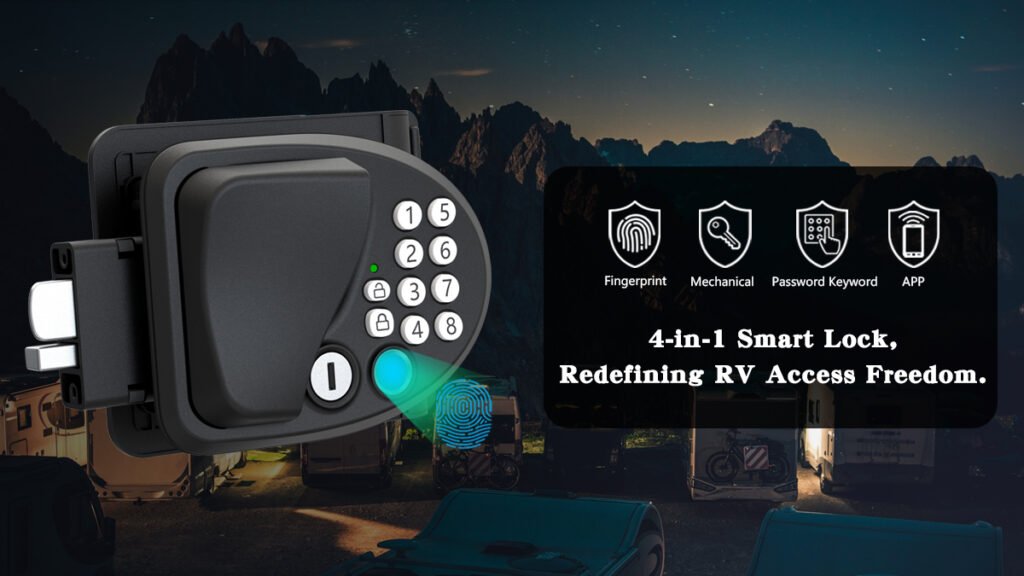
You need to follow RV door lock rules with RVIA and NFPA standards. This keeps your RV safe and lets you get in and out legally. Good locks help you and your family enter and leave your RV easily. Manufacturers, owners, and compliance managers all check the rules. Here are four easy checks for RV door lock compliance:
Make sure the lock meets NFPA and RVIA rules.
Try emergency access and exit.
Check supplier certifications.
Look at installation for safe access. Kinntoo RV door locks help you with these needs and give strong security.
Key Takeaways
Make sure RV door locks follow RVIA and NFPA rules for safety and legal entry.
Try out locks to see if you can get out fast in an emergency. This helps keep your family safe if something bad happens.
Look at supplier papers to show the locks are safe and fit your RV.
Check how the lock is put in to make sure you can get in and out easily and safely.
Pick well-known brands like Kinntoo so your RV lock works well and keeps you safe.
RV Door Lock Compliance Requirements
RVIA and NFPA Standards Overview
You need to understand rv door lock compliance before you choose or install locks on your rv. This means your locks must meet the rules set by the rv industry association and the nfpa. These groups create standards that keep you safe and make sure you can enter and exit your rv without trouble.
The rv industry association, or rvia, sets the main rules for rv manufacturers and suppliers. The rvia checks that every rv uses locks that meet their safety and quality standards. The nfpa, or national fire protection association, adds extra safety rules. These rules focus on emergency exits and fire safety. Both groups want to make sure your locks work well in all situations.
Note: If your locks do not meet rvia and nfpa standards, you may face problems with safety, legal access, and even insurance.
Compliance for RV Entry Door Locks
You must use entry locks that follow rvia and nfpa rules. These locks protect you and your family. They also help you enter and leave your rv quickly in an emergency. When you look for rv door lock compliance, you should check four main things:
Confirm the lock matches rvia and nfpa standards for entry and exit.
Test the lock for emergency egress to make sure you can get out fast.
Review supplier documents for proof of compliance and compatibility.
Inspect the lock’s installation to ensure safe and easy access.
You have a responsibility split between rv owners, manufacturers, and suppliers. Owners must check that their locks are safe and legal. Manufacturers must use locks that meet all standards. Suppliers must provide proof that their locks are compliant and compatible with most rv models.
Kinntoo rv door locks are designed for full rv door lock compliance. You get locks that pass rvia and nfpa checks. Kinntoo tests every lock for emergency entry and exit. The locks fit most rv doors, so you do not have to worry about compatibility. You can trust kinntoo to help you meet all requirements for safety and legal access.
Security and Egress in RV Locks
Emergency Egress Standards
You need to know why security and emergency egress matter for rv locks. Security keeps you safe from theft and unwanted entry. Emergency egress lets you exit your rv fast if there is a fire or other danger. The nfpa 1192 requirements say that every rv must have locks that allow quick exit. These rules help you avoid getting trapped inside. The rv industry also follows rvia and nfpa standards to make sure all locks work for both entry and emergency exit.
Tip: Always check that your locks open easily from the inside. This protects you and your family during emergencies.
You have a role in keeping your rv safe. Owners must test locks for easy exit. Manufacturers must use locks that meet nfpa 1192 requirements. Suppliers must show proof that their locks pass all safety checks. Installers must make sure locks work for both entry and exit.
Here are four checks for rv lock security and egress:
Test every lock for fast emergency exit.
Confirm locks meet nfpa 1192 requirements.
Review supplier documents for lock security.
Inspect installation for smooth entry and exit.
Security Features in Kinntoo RV Door Locks
You want rv locks that give you strong security and easy entry. Kinntoo rv locks offer both keyless entry and mechanical options. Keyless entry lets you unlock your rv with a code or remote. This means you do not need to carry keys all the time. You can also use a key if you prefer. These locks protect your rv from break-ins and keep your belongings safe.
Kinntoo rv locks use strong materials and advanced designs. The locks resist picking and forced entry. You get weather-resistant locks that work in rain, dust, or sun. Each lock passes strict tests for durability and security. You can trust these locks for long-term protection.
Keyless entry systems from Kinntoo make rv life easier. You can share codes with family or friends. You can change codes anytime for better security. Mechanical locks give you a backup if you want a simple solution. Both types of locks help you meet all rv security needs.
Note: Choosing Kinntoo rv locks means you get reliable lock security and peace of mind for every trip.
Verifying RV Lock Compliance
RVIA Seal and Inspections
You have to make sure your rv locks follow rvia rules. The RVIA seal means your rv has approved locks. You can find this seal near the rv door. It shows your rv passed safety and quality checks. RVIA inspectors look at locks to see if they work for getting in and out fast. They test the locks to see if they are easy to use. Inspectors also check if the locks fit the rv door right. You should always keep your rv ready for an inspection.
Tip: Ask your supplier for proof that the locks passed RVIA checks. This helps you stay out of trouble with rv parks and insurance.
Documentation and Supplier Contracts
You need to keep papers that show your locks follow rvia rules. These papers are test reports, certificates, and guides for putting in the locks. You should have clear deals with your suppliers. The deals must say what kind of locks you get and what rules they follow. Kinntoo gives you all the papers and help you need for rvia rules. You get test reports, certificates, and help with putting in the locks. Kinntoo works with OEMs and sellers to make sure every lock follows the rules.
Many people have jobs in the rv door lock compliance process:
Manufacturers pick locks that follow rvia rules.
Suppliers give proof and papers for the rules.
OEMs check locks before putting them in the rv.
Compliance managers look at papers and check locks.
Here is a checklist to help you check the rules:
Make sure the locks have the RVIA seal.
Look at test reports and certificates from suppliers.
Check the guides to see if the locks fit right.
Look at the locks during rv building and after delivery.
You keep your rv and your business safe by doing these steps. Kinntoo makes it simple with full help and clear papers.
Implications of Non-Compliance for RV Security
Safety and Legal Risks
If you do not follow rv door lock compliance, you face big risks. Unsafe locks can put your family in danger. Locks that do not meet standards may stop you from getting out fast in emergencies. This can cause injuries or even worse things. Bad locks make your rv easier to steal from. You lose your stuff and feel less safe.
Following RVIA and NFPA standards helps keep RVs safe and high quality. This gives owners peace of mind and keeps their RV valuable for a long time.
Legal trouble can happen if your rv locks are not compliant. Some states say all rv locks must follow NFPA and RVIA rules. If your locks fail an inspection, you might get fined or have to change them. You could lose your insurance if your locks do not meet the rules. Insurance companies check for compliance before paying for damages.
You must help keep your rv safe and legal. Here is how jobs are split:
Owners check locks for safety.
Manufacturers put in compliant locks.
Suppliers give proof the locks follow rules.
Installers make sure locks fit right.
Use this checklist to stay safe:
Make sure all locks follow rv door lock compliance standards.
Test locks for emergency exit and entry.
Look at supplier papers for proof and compatibility.
Check locks after installation to see if they work right.
RV Park Access and Insurance
Some rv parks will not let you in if your locks do not follow rv door lock compliance. Many parks look for the RVIA seal before letting you enter. The seal shows your rv passed safety checks and uses approved locks. Without it, you may have to leave or pay extra fees.
The RVIA seal helps parks decide if your rv can stay. Some parks will not allow rvs without this seal. This makes compliant rvs more useful and valuable for a long time.
Insurance companies care about rv lock compliance too. If your locks do not meet standards, your claim may get denied after a break-in or accident. You could lose money and feel more stress. Insurance providers want to see your locks give real security.
RVIA does over 2,000 surprise inspections each year to check safety.
An NRVIA inspection checks if your rv follows NFPA 1192 rules and works right.
Picking compliant rv locks, like Kinntoo, gives you peace of mind. You know your locks follow all safety and legal rules. You also get better fit with most rv models. This helps you avoid problems with park access and insurance. Kinntoo rv locks help protect your rv and keep it safe for years.
You keep your rv and family safe by following RVIA and NFPA standards for rv locks. Security is important every time you travel. You need to check your locks to make sure they follow the rules. Pick trusted brands like kinntoo for your rv locks. Keep all your records in a safe place. Regular checks help you stay away from danger. Good rv locks last a long time and are worth the upgrade.
Responsibility split: Owners check locks, manufacturers install compliant rv locks, suppliers provide proof, compliance managers review documents.
Checklist for rv lock compliance:
Check locks for safety and quick emergency exit.
Make sure rv locks follow RVIA and NFPA standards.
Look at supplier papers for proof.
Plan regular checks for your rv locks.
FAQ
What does RV door lock compliance mean?
You must use locks that meet safety and quality rules set by RVIA and NFPA. Compliance means your locks allow safe entry and exit and pass inspections. You protect your family and avoid legal trouble.
Who checks RV door lock compliance?
You check your locks as an owner. Manufacturers install compliant locks. Suppliers provide proof. Compliance managers review documents.
Responsibility split helps keep your RV safe and legal.
How do I verify my RV door locks are compliant?
You can follow this checklist:
Look for the RVIA seal.
Review supplier certificates.
Test locks for emergency exit.
Inspect installation for proper fit.
What happens if my RV locks are not compliant?
You risk safety hazards and legal issues. Parks may deny entry. Insurance claims may get rejected. You must use compliant locks to protect your RV and family.
Can I use keyless entry locks for my RV?
You can use keyless entry locks if they meet RVIA and NFPA standards. Keyless locks offer convenience and security. Always check for compliance before installation.
