
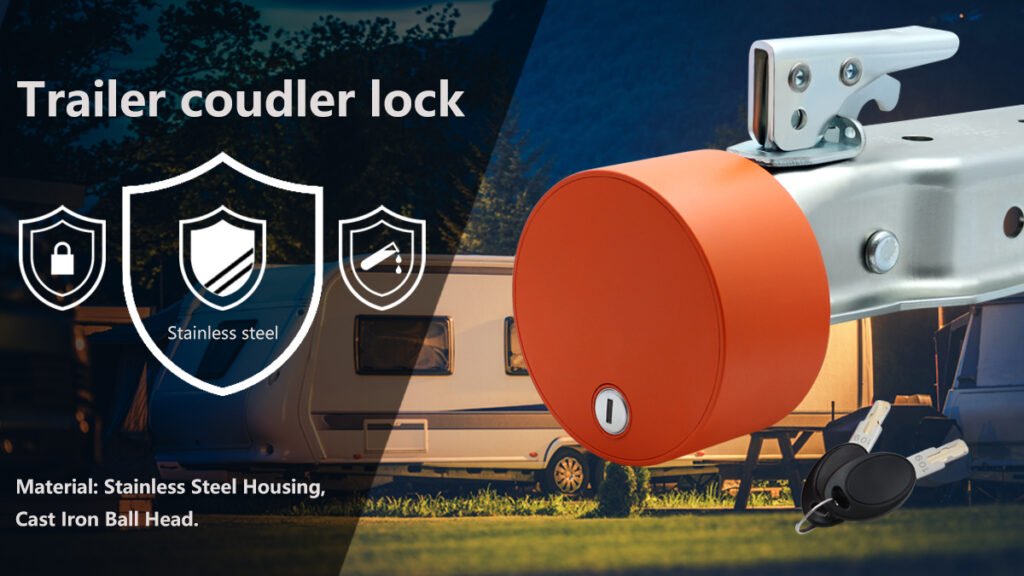
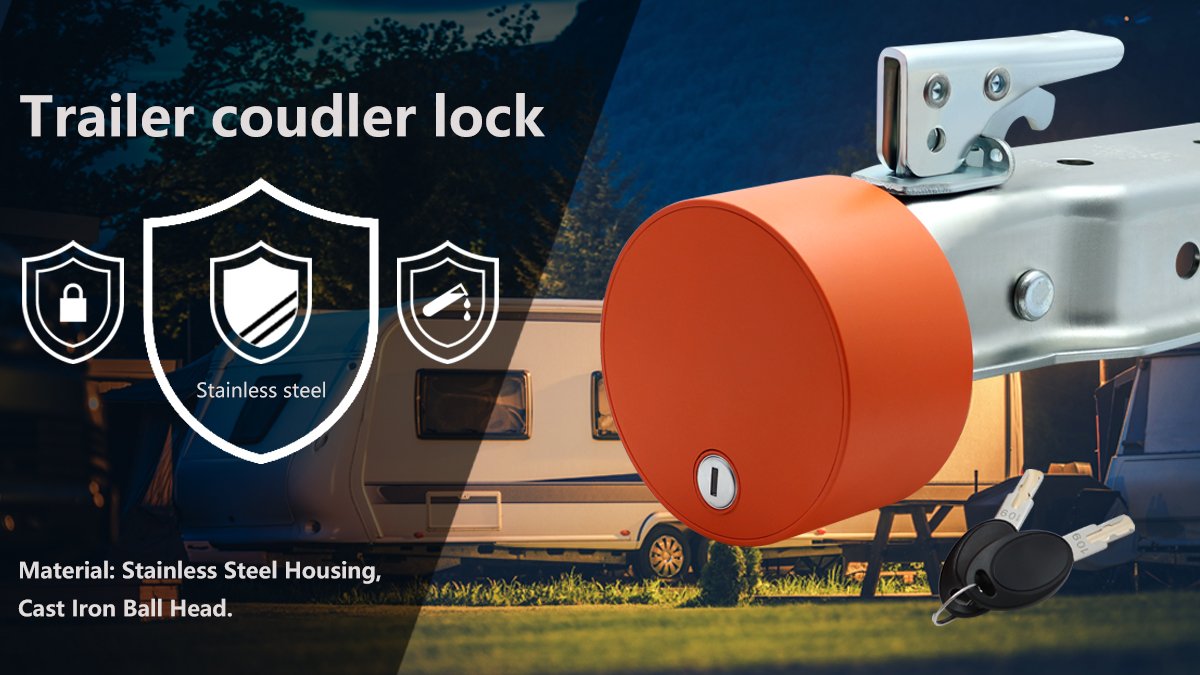
Have you ever felt nervous about leaving your trailer alone, even for a short time? Trailer theft is happening more often, so you need more than luck to keep your things safe. The best utility trailer locks help you feel safe by focusing on fit, strong materials, security, and matching your trailer. Locks made from hardened steel or weatherproof materials are hard to cut or break, so thieves have a tough time. Kinntoo is famous for making strong locks, so you can protect your trailer and feel sure it is safe.
Material Type | Resistance to Theft | Extra Features |
|---|---|---|
Hardened Steel | High | Hard to cut, drill, or pry |
Stainless Steel | Moderate | Works well in wet places |
Brass | Moderate | Stops rust but not as strong |
Weatherproof Locks | High | Made for bad weather |
Key Takeaways
Pick a lock made from tough materials like hardened steel. This helps keep your trailer safe from thieves. Measure your trailer’s coupler size before you buy a lock. This makes sure the lock fits well and is hard to take off. Think about where you park and what you are carrying. This helps you pick the right lock for your needs. Use more than one kind of lock, like coupler and wheel locks. This gives your trailer extra protection from theft. Take care of your locks by cleaning and oiling them often. Check them for damage to keep your trailer safe for a long time.
Identify Your Utility Trailer and Lock Fit
Trailer Types and Coupler Sizes
You want the best trailer lock, but first, you need to know your trailer type and coupler size. Not every trailer uses the same coupler. Some trailers are small and light, while others are heavy-duty. Each one needs a different lock. If you use the wrong size, your security drops fast.
Here’s a quick look at common coupler sizes and their uses:
Coupler Size | Common Use Cases |
|---|---|
2-5/16” | Heavy-duty trailers, equipment haulers, RVs |
2” or 1-7/8” | Small utility and boat trailers |
Most utility trailer locks fit these sizes, but you should always check before you buy. You can measure the coupler ball socket with a tape measure. Place the tape across the widest part of the opening. For the latch, measure the width and depth. Most couplers fit up to 3-1/8 inches wide and 2-1/8 inches deep.
Tip: Write down your measurements before you shop for a lock. This helps you avoid buying the wrong size.
Ensuring Proper Lock Compatibility
Choosing the right trailer lock means more than matching numbers. Some locks fit only certain coupler shapes or latch designs. A poor fit or incorrect installation can make your trailer easy to steal. You want a lock that fits snugly and cannot be wiggled off.
Here are common mistakes people make:
Picking a lock that does not fit their trailer.
Using only one security device.
Forgetting about key security.
Kinntoo makes it easy to find a lock that matches your trailer. Their locks fit most RVs, campers, and trailers. You get high-quality materials and weather resistance. Installation is simple, so you spend less time worrying and more time on the road. If you want reliable security, choose a lock that matches your trailer type and coupler size. That is how you keep your trailer safe.
Assess Security Needs for Utility Trailer Locks
Evaluating Theft Risks and Parking Environments
You want your trailer to be safe wherever you leave it. The chance of theft changes based on where you park and how long it stays there. Cities often have more theft, so you need stronger locks. In the country, it may seem safer, but there are fewer people watching. Thieves like these places because they can steal without being seen. Farm trailers and equipment get stolen a lot in rural areas.
Think about these things before picking a trailer lock:
Where do you park most? Is it a busy city or a quiet field?
How long is your trailer left alone? Is it hours, days, or weeks?
What do you keep inside? Are there expensive tools or gear?
If you use a storage place with good lights, tracking devices can help. In the country, a bright lock can scare off thieves. You should match your lock to where you park and what you carry.
Here’s a quick look at how what you carry affects your security:
Type of Loss | Description | Potential Cost |
|---|---|---|
Trailer Value | How much your trailer costs if stolen | $5,000 – $50,000+ |
Cargo Loss | Tools or gear inside the trailer | $1,000 – $200,000+ |
Business Impact | Lost time, money, and new equipment needed | Variable, big loss |
If you carry expensive things, you need the best lock. A strong lock can save you from losing a lot.
Key Security Features to Consider
You want a lock that keeps thieves away. Thieves use many tricks to steal trailers. Some pick locks, some use power tools, and some just drive off with your trailer. The right lock can stop these tricks.
Look for these features in trailer locks:
Hard-to-pick keyways and disc-detainer systems.
Anti-grinder parts that stop cutting tools.
Coupler locks that block the hitch ball.
Wheel boot locks that stop your trailer from moving.
Kinntoo rv hitch locks give you strong protection. They use tough steel and coatings that stop rust. Kinntoo tests their locks to make sure they are strong and safe. These locks help keep your trailer safe anywhere.
A good lock does more than protect your trailer. It can stop theft, lower your insurance, and make customers trust you. Here’s how a good lock compares to losing your trailer:
Benefit of Premium Lock Investment | Financial Impact |
|---|---|
Stops most thefts | Saves you from losing over $202,364 |
Lowers insurance costs | Helps you spend less money |
Makes customers trust your business | Builds a good name and keeps customers |
You need a lock that fits your trailer, parking spot, and cargo. Pick a lock with the right features and strong materials. Kinntoo rv hitch locks give you the best protection and help you feel safe when you leave your trailer.
Choosing Trailer Hitch Locks and Other Lock Types
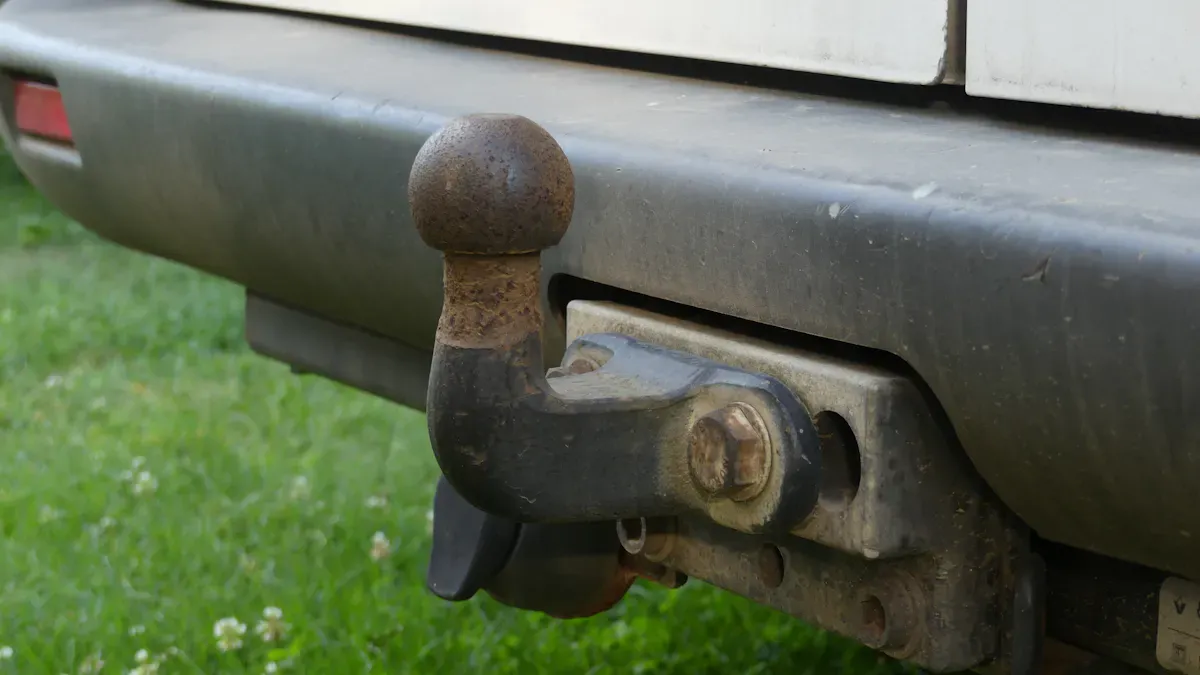
When you want to keep your trailer safe, you have many lock options. Each type of lock works in a different way. Some protect the hitch, while others stop the wheels from moving. Picking the right lock gives you peace of mind and strong security measures.
Trailer Hitch Lock Options from Kinntoo
You can choose from several types of trailer hitch locks. Kinntoo offers a full range, so you can match the lock to your trailer and how you use it. Here are the main types of trailer hitch locks you will find:
Receiver Hitch Lock: This lock replaces the standard hitch pin. It keeps the ball mount attached to your tow vehicle. You use this lock when you want to stop someone from stealing the ball mount itself.
Coupler Hitch Lock: This lock fits over or inside the trailer’s coupler. It blocks anyone from hooking up to your trailer. If you want the best trailer hitch lock for stopping theft when your trailer is parked, this is a top choice.
Pin-Style Hitch Lock: This lock uses a strong pin to hold hitch parts together. Some have a rotating head to make tampering harder.
Specialty Hitch Lock: These include wheel locks, smart locks, and high-strength locks for special trailers or extra security.
Kinntoo’s trailer hitch locks stand out for their tough build and weather resistance. You get a lock made from hardened steel or zinc alloy. The sealed keyway keeps out dust and water. The corrosion-resistant finish means your lock will last, even in rain or snow. Kinntoo tests every lock for strength and durability, so you know you are getting a high-quality hitch lock.
Here’s a quick look at how Kinntoo trailer hitch locks compare to other brands:
Feature | Kinntoo Trailer Hitch Locks | Other Leading Brands |
|---|---|---|
Durable Construction | Yes | Varies |
Weather Resistance | Yes | Varies |
Resistance to Cutting/Drilling | Yes | Varies |
Sealed Keyway | Yes | Varies |
Corrosion-Resistant Finish | Yes | Varies |
If you want a lock that works in all weather and keeps your trailer safe, Kinntoo has you covered.
Comparing Coupler, Wheel, and Pin Locks
You might wonder which lock type gives you the best protection. Let’s break down the main types of utility trailer locks and see how they stack up:
Lock Type | Security Function | Effectiveness |
|---|---|---|
Hitch Pin Lock | Secures the ball mount to the tow vehicle, preventing theft of the mount itself. | Does not prevent theft of an unhitched trailer, so less effective for trailer security alone. |
Coupler Lock | Blocks access to the coupler mechanism, preventing easy hitching and theft. | Most effective for preventing trailer theft when unhitched, as it blocks the main theft method. |
Wheel Lock | Stops the trailer from rolling by locking the wheel in place. | Strong visual deterrent and adds another layer of security. |
Hitch pin locks work well for keeping your ball mount safe, but they do not stop someone from taking your trailer if it is not attached to your vehicle.
Coupler locks block the hitch ball, so thieves cannot hook up and drive away. Many people call this the best hitch lock for parked trailers.
Wheel locks clamp onto the wheel and stop it from turning. These locks are big and easy to see, so they scare off many thieves.
A trailer hitch coupler lock is the most effective single-device solution for stopping theft when your trailer is unhitched. It blocks the main way thieves steal trailers—by hitching up and driving off. If you want even more security, you can use a wheel lock with your hitch lock.
Here’s another way to compare lock types and their security level:
Lock Type | Security Level | Description |
|---|---|---|
Swivel Head Receiver Lock | High | Rotating head makes tampering hard. |
Chrome Coated Hitch Receiver Lock | Medium | Strong finish, good for daily use. |
Trailer Hitch Pin & Clip | Low | Basic lock, easy to bypass. |
Deadbolt Hitch Lock | High | Uses a deadbolt design for extra strength and security. |
If you want the best locking hitch pin, look for one with a swivel head or deadbolt design. These give you more protection than a simple pin and clip.
You also want to think about price. High-quality hitch lock options can cost between $20 and $300. Premium king pin locks cost over $150. You get what you pay for—better materials and stronger security.
When you pick a trailer lock, match it to your trailer, your parking spot, and your needs. The best trailer hitch lock is the one that fits well, stands up to bad weather, and keeps thieves away. Kinntoo makes locks that do all of this, so you can trust your trailer is safe.
Tip: For the highest security, use more than one type of lock. Combine a coupler lock with a wheel lock or a deadbolt hitch lock for layered protection.
You now know the main types of trailer hitch locks and how they protect your trailer. Choose the right lock, and you will have peace of mind every time you leave your trailer behind.
Durability and Maintenance for Long-Term Security
Material Quality and Weather Resistance
You want your trailer to stay safe for years, not just today. The right material makes a huge difference in how well your trailer lock stands up to thieves and bad weather. Some materials are tough enough to stop cutting tools, while others fight off rust and corrosion. Take a look at this table to see which materials give you the best protection:
Material | Properties |
|---|---|
Hardened Steel | Heat-treated for toughness, resists cutting and drilling, can damage thief’s tools. |
Ductile Iron | Incredible strength, stands up to hard hits without breaking. |
Rust-proof, strong, perfect for wet or salty places. | |
Protective Coating | Powder coating forms a hard shell that blocks moisture and stops corrosion. |
If you leave your trailer outside, you know how rain, snow, and road salt can wear down a lock. Without weather resistance, your lock can rust and stop working. That means your security measures fail when you need them most. Stainless steel locks work great for outdoor trailers, especially in humid or coastal areas. Zinc alloy and ductile iron also help your hitch lock last longer by fighting off the elements.
Maintenance Tips for Utility Trailer Locks
You want your utility trailer locks to work every time you use them. Regular maintenance keeps your security measures strong and your trailer safe. Here are some easy steps you can follow:
Wipe off dirt and road salt from your lock after long trips.
Spray a little lubricant into the keyway to keep it turning smoothly.
Check for rust or damage every month.
Replace worn keys before they break.
Tip: Store a spare key in a safe place, not inside your trailer.
Kinntoo tests every hitch lock to make sure it stands up to real-world use. Their locks go through over 100,000 cycles, salt-spray tests for 96 hours, and work in temperatures from -40°C to 80°C. Here’s how kinntoo checks each trailer lock for safety and durability:
Testing Protocol | Details |
|---|---|
Cycle Life | Tested to over 100,000 cycles |
Environmental Testing | -40°C to 80°C |
Vibration Testing | Resists shaking and bumps |
Salt-Spray Test | 96 hours of corrosion testing |
Quality Assurance | 4-Stage inspection process |
When you pick a hitch lock with strong materials and keep up with simple care, you get long-lasting protection. Your trailer stays secure, and you get peace of mind every time you park.
Choosing the right utility trailer lock is simple when you follow these steps:
Pick a lock made from tough materials like hardened steel.
Make sure the lock fits your trailer and coupler size.
Install the lock the right way for the best security.
Use more than one lock for extra protection.
Keep your keys safe and check for security ratings.
You should also park in safe spots and use cameras or tracking systems when you can.
Action | Why It Matters |
|---|---|
Secure Parking | Lowers theft risk and gives you peace of mind. |
Surveillance Cameras | Scares off thieves and helps catch them. |
Tracking Systems | Lets you find your trailer fast if stolen. |
Kinntoo rv hitch locks give you strong, weatherproof security for most trailers. You can find guides, tips, and install help on their website.
Want to protect your trailer? Visit kinntoorvlock.com for more info and get started today!
FAQ
What makes trailer hitch locks different from regular padlocks?
Trailer hitch locks fit your trailer’s coupler or hitch. Padlocks just close a latch. You get better security with trailer hitch locks because thieves can’t easily remove them. These locks protect your trailer from being hooked up and stolen.
How do I know which trailer hitch locks fit my trailer?
You need to measure your coupler size. Most trailer hitch locks fit 1-7/8”, 2”, or 2-5/16” couplers. Check your trailer’s manual or use a tape measure. Write down the size before you shop for trailer hitch locks.
Can trailer hitch locks handle bad weather?
Yes, trailer hitch locks are made with weather-resistant materials. You get protection from rain, snow, and road salt. Look for locks with sealed keyways and corrosion-resistant coatings. These features help trailer hitch locks last longer outside.
Do trailer hitch locks stop all types of theft?
Trailer hitch locks block the main way thieves steal trailers. They stop someone from hitching up and driving away. For extra security, you can use wheel locks or deadbolt locks with trailer hitch locks. Layered security works best.
How often should I check or maintain trailer hitch locks?
You should check trailer hitch locks every month. Wipe off dirt, spray lubricant in the keyway, and look for rust. If you see damage, replace the lock. Regular care keeps trailer hitch locks working and your trailer safe.
Tip: Keep a spare key for your trailer hitch locks in a safe spot.
Maintenance Step | How Often | Why It Matters |
|---|---|---|
Clean and inspect | Monthly | Stops rust and keeps lock strong |
Lubricate keyway | Monthly | Keeps trailer hitch locks turning smoothly |
Replace damaged lock | As needed | Maintains security |
