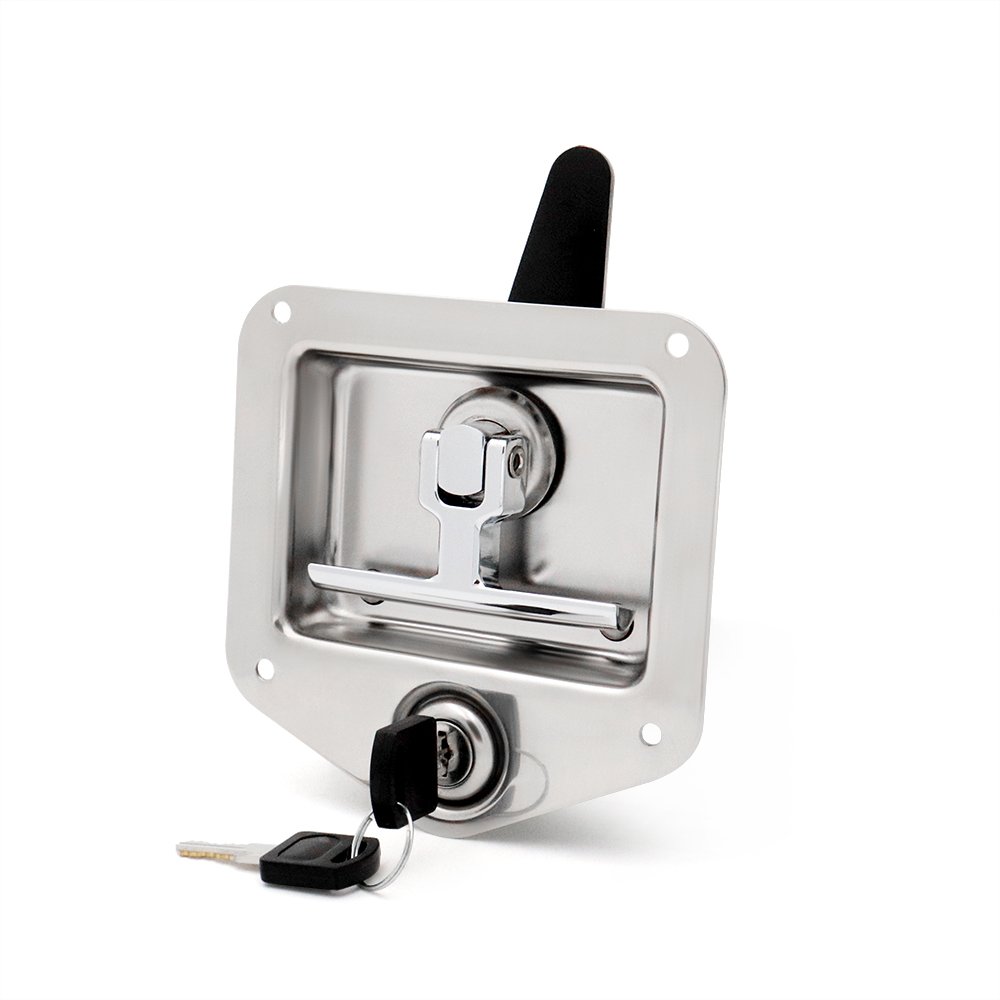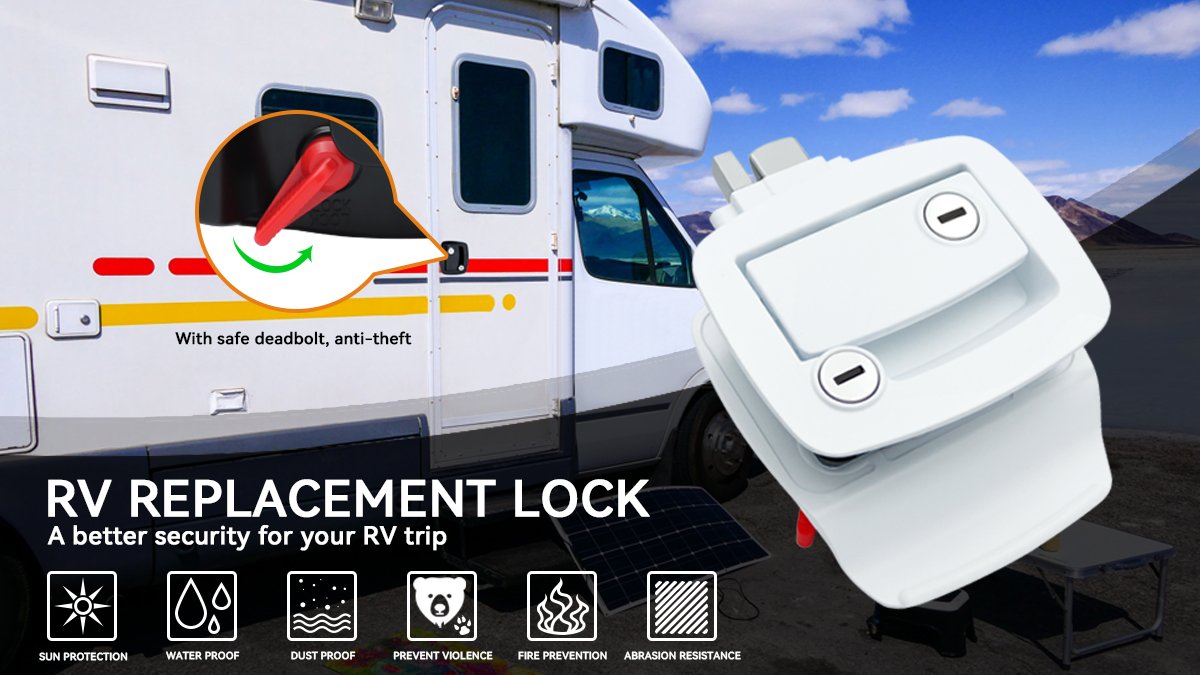
Changing your rv baggage door lock feels easy when you have the right tools. You can do this job at home, even if you have never worked with locks before. > Kinntoo offers reliable RV locks and hardware, so you can trust your replacement will last and keep your belongings safe.
Key Takeaways
Gather essential tools like a screwdriver, wrench, and tape measure before starting the lock replacement. This preparation helps ensure a smooth process.
Choose the right lock type based on your needs. Options include standard mechanical, keyless entry, and digital locks, each offering different security features.
Regularly maintain your new lock by lubricating the mechanism and checking for rust or loose parts. This practice extends the lock’s lifespan and ensures reliable performance.
Prepare for Replacing Your RV Baggage Door Lock
Tools and Parts Needed
You want to make sure you have everything ready before you start. Most RV owners grab these tools and parts required for the job:
Philips screwdriver
Tape measure
Crescent wrench
New lock with locking arm
If you notice your key feels stiff, see visible damage, or just want a modern upgrade, it’s probably time to change your lock. You avoid headaches when you check your supplies first.
Tip: Always measure your old lock before buying a replacement. This step helps you avoid picking the wrong size.
Understanding Lock Types and Measurements
RV baggage door locks come in different styles. You might see standard mechanical locks, keyless entry locks, or digital smart locks. Each type offers a unique level of security and convenience.
Lock Type | Features | Ideal For |
|---|---|---|
Standard Mechanical Locks | Basic security, traditional key access | Budget-conscious RVers |
Keyless Entry Locks | Keypad access, convenience, multiple user codes | RVers prioritizing convenience |
Digital/Smart Locks | Remote access, activity logs, smart home integration | Tech-savvy RVers seeking advanced security |
You need to match the lock size to your door. Here are the standard measurements for most RV baggage doors:
Dimension | Measurement |
|---|---|
Width | 1 1/2″ |
Height | 2 1/4″ |
Depth | 1 3/4″ |
Door Thickness | 5/8″ |
Installation Hole | 1″ |
Why Choose Kinntoo RV Cam Locks
Kinntoo RV cam locks make your upgrade simple and secure. You get a compact design that fits tight spaces and a strong zinc alloy body that stands up to travel. You can pick from different cam lengths and keying options, so your lock matches your compartment perfectly. Kinntoo locks help prevent accidental openings and keep your gear safe. If you want reliability and easy installation, Kinntoo gives you peace of mind every trip.
Step-by-Step Guide to Installation
Changing your rv baggage door lock doesn’t have to feel overwhelming. This step-by-step guide will walk you through the process, from removal to testing, so you can travel with confidence.
Remove the Old Lock
Start by gathering your tools and putting on safety gloves. You want to protect your hands from sharp edges during removal. Here’s how you can remove the old lock:
Open your baggage door and locate the screw holding the latch mechanism in place.
Use a screwdriver to loosen and remove the screw.
Find the nut on the inside of the compartment that secures the latch arm. Use a crescent wrench to unscrew and remove it.
Gently slide out the old lock and set aside all parts.
Tip: Handle old parts with care. Some edges can be sharp, especially if there’s rust or wear.
If you notice any rust or damage around the opening, clean the area before moving on. This helps your new rv baggage door lock fit snugly and last longer.
Measure and Select the New Lock
Accurate measurements make all the difference. Before you install the new lock, grab your tape measure or a digital caliper. Here’s what you need to check:
Measurement Type | Description | Importance |
|---|---|---|
Door Thickness | Total width of door panel (1⅛″–1¾″, commonly 1¼″ or 1½″) | Lock chassis must fit without protruding; incorrect size leads to loose or improper fit. |
Latch Throw | How far the latch bolt extends (½″–¾″ standard; up to 1″ for high-security) | Must match strike plate depth; incorrect throw can lead to latch failure or bending. |
Faceplate Height/Width | Dimensions of exterior mounting surface (varies widely) | Affects aesthetics and structural support; oversized faceplates may interfere with seals. |
Start by measuring your door and checking the strike plate.
Think about what you need most: cold-weather resilience, tamper-proof features, or keyless convenience.
There’s no universal best rv baggage door lock. The right choice depends on your specific needs and conditions.
When you want a secure upgrade, kinntoo RV cam locks offer flexible cam lengths, strong zinc alloy construction, and options for keyed-alike systems. These features help you match the lock to your compartment and boost security.
Install the New RV Baggage Door Lock
Now you’re ready to install the new lock. Follow these steps for a smooth process:
Insert the new lock cylinder into the opening from the outside of the baggage door.
Slide the latch arm onto the back of the lock, making sure it lines up with the strike plate.
Secure the latch arm with the provided nut. Tighten it with your wrench, but don’t overtighten.
Attach the exterior faceplate if your lock includes one. Make sure it sits flush against the door.
Use your screwdriver to fasten any mounting screws.
Double-check that the latch moves freely and doesn’t catch on the door frame.
Note: Match the lock to your door type by checking specifications like door thickness and latch style. Choose locks made from corrosion-resistant materials, such as zinc alloy or stainless steel, for long-lasting durability.
Kinntoo RV cam locks make this step easy. Their compact design fits tight spaces, and the standard mounting pattern means you won’t need special tools. You get reliable performance and peace of mind every time you close your compartment.
Test and Troubleshoot
You want to make sure your rv baggage door lock works perfectly before you hit the road. Here’s a quick checklist:
Close the compartment door and lock it.
Try to lift the handle and open the door. If it opens, the latch isn’t catching, and you may need to adjust the alignment or check for a faulty lock.
If you notice the door not closing properly, inspect the hinges and replace any damaged seals.
If the latch feels stiff or the door not closing properly continues, lubricate the mechanism with a silicone-based spray.
For keyless or digital locks, check for error signals like blinking lights or beeps. Reset the lock system if needed.
Regular maintenance helps your lock last longer. Wipe away dirt, lubricate the latch, and check for loose screws every month.
If you want to avoid future hassles, consider upgrading all your compartment locks at once. High-quality options like kinntoo RV cam locks resist picking, drilling, and forced entry. They also stand up to weather and daily use, so you spend less time on repairs.
A secure rv baggage door lock protects your gear, lowers maintenance costs, and can even boost your RV’s resale value. With this step-by-step guide, you’re ready to travel with confidence.
You just finished your lock upgrade. Feel confident before your next trip. Test your new lock and check for smooth operation.
Inspect for rust or loose parts
Make sure everything lines up
Kinntoo RV cam locks last over 100,000 cycles and resist forced entry, giving you peace of mind.
FAQ
How do you know if your RV baggage door lock needs replacing?
You notice rust, difficulty turning the key, or the lock feels loose.
Tip: Replace locks before your next trip for peace of mind.
Can you install a new lock without professional help?
Yes, you can. Most RV baggage door locks install with basic tools.
Screwdriver
Wrench
Tape measure
What makes kinntoo RV cam locks a good choice?
You get durable zinc alloy construction, flexible cam lengths, and keyed-alike options.
Kinntoo locks fit tight spaces and resist forced entry.