
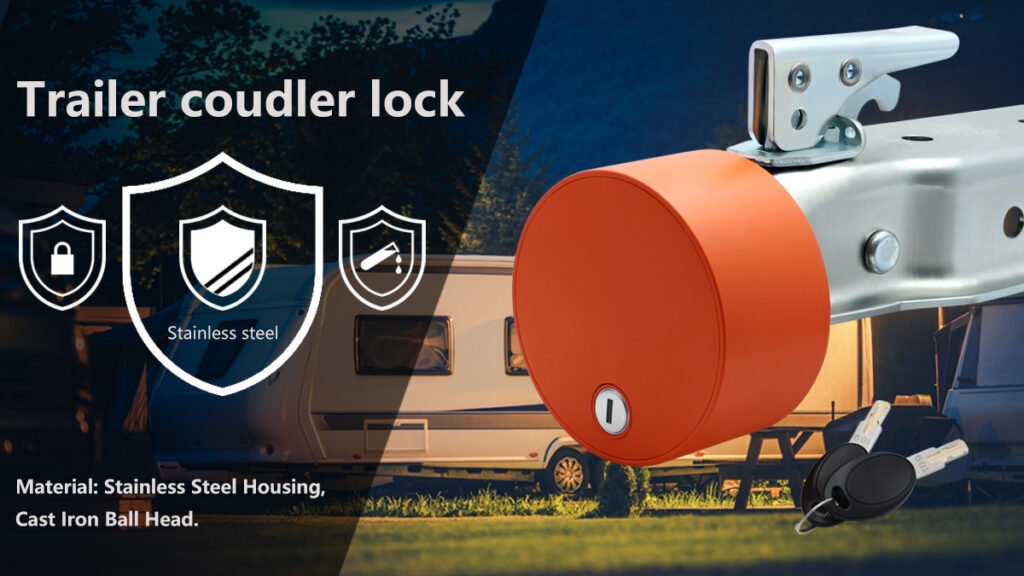
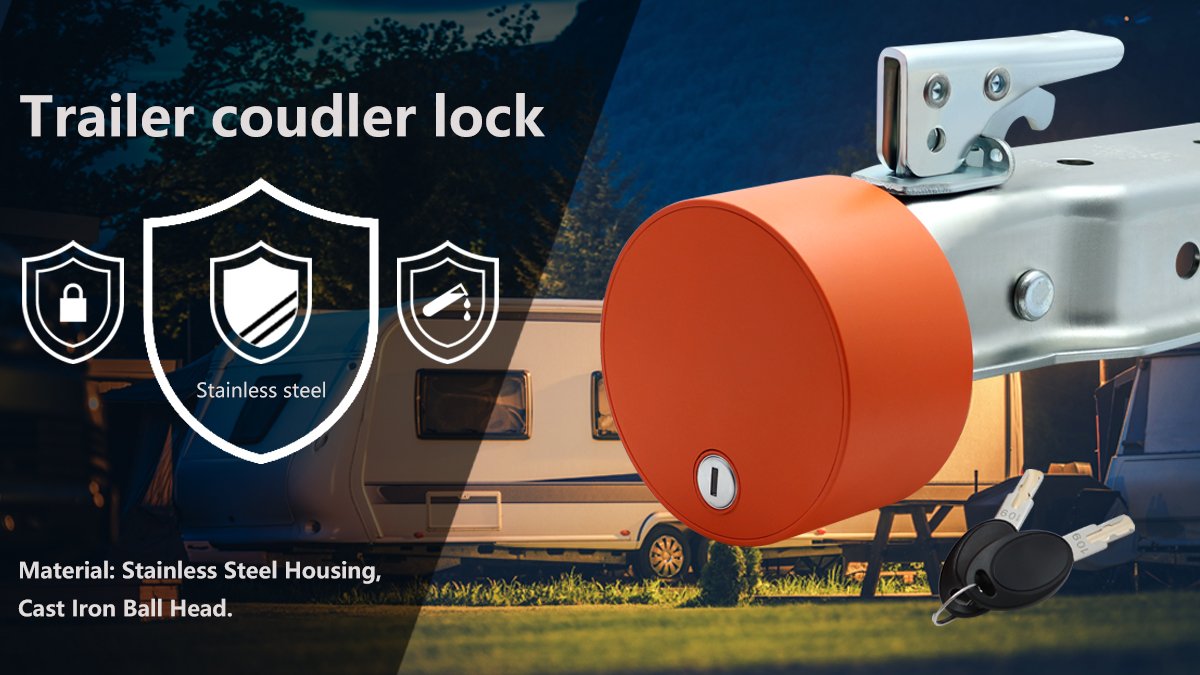
Choosing the right hitch pin lock can make a real difference in your RV’s security. Nearly 41% of RV owners in North America rely on hitch locks to keep their trailers safe during travel and storage. You can follow three simple steps to find the best fit: measure your hitch, compare features, and match the lock to your needs. Kinntoo offers trusted solutions that help you protect your RV with confidence.
Key Takeaways
Measure your hitch receiver and pin size accurately to ensure a secure fit.
Know your hitch class and its weight rating to choose the right locking hitch pin.
Check compatibility with your towing setup to avoid mismatches and ensure safety.
Consider weather-resistant materials for durability and long-lasting performance.
Use a checklist before each trip to confirm all connections are secure and ready.
How to Choose a Hitch Pin Lock
Measure Hitch Receiver and Pin Size
Start by measuring your hitch receiver and pin hole. You need accurate measurements to ensure your hitch pin lock fits securely. Most hitch receivers in the United States use a 2-inch square tube. The pin hole is usually drilled for a 5/8-inch hitch pin. Some smaller hitches use a 1/2-inch pin. If you use the wrong size, the shank may not seat fully in the receiver. Misalignment can create leverage that fails under load. This can reduce towing capacity and increase the risk of accidents.
Standard receiver tube size: 2 inches square
Standard pin hole size: 5/8 inch
Smaller receivers: 1-1/4 inches with 1/2-inch pin
Kinntoo rv hitch locks fit common sizes like 1/2-inch and 5/8-inch pins. Always check your vehicle specs before you buy a locking hitch pin.
Confirm Hitch Class and Compatibility
You must know your hitch class. Each class has a different weight rating and receiver size. Use the table below to compare hitch classes and their ratings:
Hitch Class | Hitch Receiver Tube Size | Max. Gross Trailer Weight (GTW) | Max. Tongue Weight (TW) |
|---|---|---|---|
Class 1 | 1-1/4″ | 2,000 lbs. | 200 lbs. |
Class 2 | 1-1/4″ | 3,500 lbs. | 350 lbs. |
Class 3 | 2″ | 8,000 lbs. | 800 lbs. |
Class 4 | 2″ | 10,000 lbs. | 1,000 lbs. |
Class 5 | 2-1/2″ to 3″ | 18,500 to 21,000 lbs. | 2,400 to 2,700 lbs. |
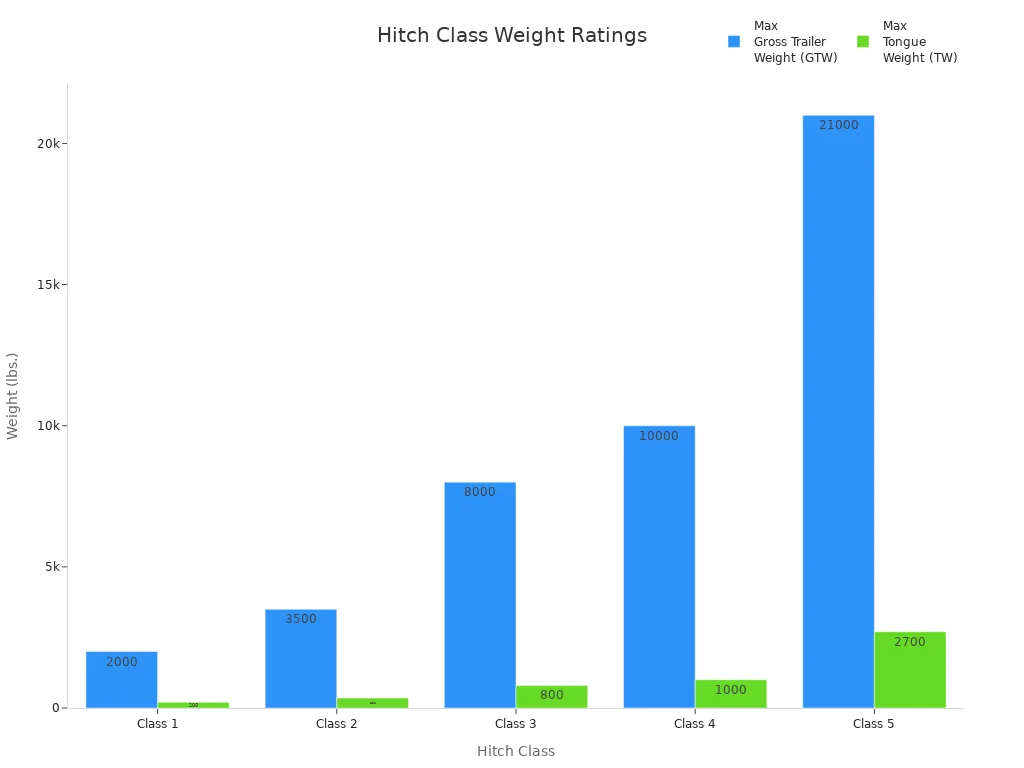
Class I and II hitches use 1/2-inch pins. Class III, IV, and V hitches need 5/8-inch pins. Matching your locking hitch pin to the correct class keeps your trailer secure.
Check Fit with Existing Equipment
Check your current towing setup. Make sure the hitch pin lock works with your coupler, ball mount, and receiver. Look for any accessories that might block the lock. If you use a weight distribution system or anti-rattle device, confirm that the locking hitch pin fits with these parts. Kinntoo rv hitch locks offer compatibility with most standard setups, so you can avoid mismatches and keep your equipment safe.
Tip: Always double-check measurements and compatibility before you buy. This simple step helps you avoid costly mistakes and keeps your RV secure.
Types of Trailer Hitch Locks and Security Features
When you shop for trailer security, you will find several types of trailer hitch locks. Each type offers unique benefits for different towing setups. The most common options include receiver-style hitch locks and coupler hitch locks. Receiver-style hitch locks secure the ball mount to the hitch receiver, while coupler hitch locks protect the trailer’s coupler from unauthorized access. You may also see heavy-duty models like the UCS-88S Trailer Lock, which uses hardened steel for extra strength, or the UCS-17A-850 Trailer Lock, which features a push-to-lock mechanism for quick engagement.
Locking Hitch Pin Mechanisms
Locking hitch pin mechanisms play a key role in keeping your trailer safe. You can compare popular models using the table below:
Model | Security Features | Durability Features | Ease of Use Features |
|---|---|---|---|
AMP Lock | Anti-theft swivel, high-precision key system | Stainless steel, weather/corrosion resistant | Push-and-lock mechanism |
Vault Cargo | Zinc alloy tubular lock core, anti-theft tech | Durable materials, dust cap for moisture | Simple locking mechanism |
Trimax | Hardened steel, corrosion-resistant finish | Robust construction, user-friendly design | Quick installation |
Bolt Lock | Double ball-bearing, plate tumbler sidebar | Stainless steel, lock shutter protection | Uses vehicle’s ignition key |
Locking hitch pins use advanced mechanisms that resist tampering and picking. Standard pins do not offer the same level of security or durability.
Material Strength and Weather Resistance
Material strength and weather resistance matter when you choose a hitch lock. Most high-quality locks use stainless steel or hardened steel. These materials withstand force and resist corrosion. Many locks feature weatherproof coatings and sealed keyways to protect against rust, dust, and water. Some models include rubber caps or lock shutters to block debris and moisture. You get reliable performance in rain, snow, or coastal environments.
Material | Properties |
|---|---|
Stainless Steel | Durable, corrosion-resistant, withstands force |
Hardened Steel | Tamper-resistant, long-lasting |
Weather-resistant | Coatings extend lifespan and reliability |
Tip: Always check for corrosion-resistant finishes and sealed keyways. These features help your lock last longer and keep your trailer secure.
Keyed-Alike and Push-to-Lock Options
Keyed-alike systems offer convenience if you manage multiple trailers or vehicles. You can secure all components with a single key, which means less hassle and better organization. Precision laser-cut keys add another layer of security. You can expand your system and keep the same key for new locks. Push-to-lock options simplify the locking process. You press the lock into place, and it secures instantly. This design resists picking and drilling, and it uses advanced key systems with nearly a million combinations. You save time and boost protection every time you lock up.
Keyed-alike systems provide:
Convenience with one key for all locks
Enhanced security across your fleet
Compatibility for different trailer types
Push-to-lock features deliver:
Fast, easy locking
High resistance to tampering
Durable construction for outdoor use
Kinntoo offers both keyed-alike and push-to-lock options, so you can choose the best fit for your needs.
Match Locking Hitch Pin to Your Needs and Budget
Usage Frequency and Convenience
Your towing setup determines how often you use a hitch pin lock. If you tow your RV or trailer every week, you need a lock that saves time and effort. Frequent users benefit from features that make locking and unlocking simple. Look for quick push-to-lock mechanisms and advanced key systems. These features help you secure your trailer fast and keep your keys organized. Weather resistance matters if you travel in rain or snow. Stainless steel construction and dust caps protect your lock from moisture and debris. Kinntoo rv hitch locks offer durability and convenience for busy travelers.
Feature | Description |
|---|---|
Durability | Stainless steel resists harsh weather and corrosion. |
Ease of use | Push-to-lock design for quick engagement. |
Advanced key system | High-precision lock with nearly one million combinations. |
Weather resistance | Dust cap shields keyhole from moisture and debris. |
Affordability | Competitive pricing for cost-effective security. |
Hardened steel construction | Solid steel improves tampering resistance. |
Universal fit | Fits a wide range of coupler sizes. |
Easy installation | Simple design for fast setup. |
Convenience | Uses vehicle’s ignition key for fewer keys. |
Security | Double ball-bearing mechanism prevents picking and bumping. |
Warranty | Limited lifetime warranty for confidence. |
Customer support | Responsive service and fast issue resolution. |
Balancing Cost and Quality
You want the ideal hitch pin lock that fits your budget and meets your towing setup needs. Basic pins cost less but offer limited security. High-quality hitch pin locks use hardened steel and advanced locking systems. These models last longer and protect your trailer better. The table below shows typical price ranges:
Price Range | Type of Hitch Pin |
|---|---|
$2–$6 | Basic smooth or lynch pins; light, occasional use. |
$7–$15 | Spring-loaded or mid-tier locking pins; best value for regular towing. |
$16–$30+ | High-security keyed locks, stainless steel builds, or specialty industrial pins. |
Kinntoo rv hitch locks provide excellent value. You get strong materials, weather-resistant coatings, and reliable locking mechanisms. Investing in a quality lock helps you avoid costly replacements and keeps your towing setup secure.
Quick Checklist for Choosing
A checklist helps you avoid common mistakes when selecting a hitch pin lock. You make sure every connection is secure before you hit the road. Overlooking even one step can lead to problems, so use this list every time you set up your trailer.
Ensure the receiver and accessory holes align cleanly.
Confirm the pin is fully inserted and the lock is secure.
Check fitment with any anti-rattle shims installed.
Remove the key from the locking pin, if applicable.
Perform pull and lift tests.
Tip: Double-checking your towing setup with a checklist prevents roadside emergencies and keeps your trailer safe.
You can choose the right hitch pin lock by following three simple steps: measure your receiver and pin size, confirm compatibility, and match the lock to your needs. Kinntoo rv hitch locks stand out for their durability and weather resistance, lasting over 100,000 cycles and resisting salt spray for 96 hours. Many users appreciate the added security and convenience of keyed-alike models.
Use the checklist before every trip for peace of mind.
Pros | Cons |
|---|---|
Adds security for your trailer and gear | Slightly bulkier fit for some setups |
Feel free to ask questions or share your own experiences in the comments below!
FAQ
How do you know which hitch pin lock size fits your RV?
Measure the diameter of your hitch receiver’s pin hole. Most RVs use either a 1/2-inch or 5/8-inch pin. Check your owner’s manual or use a caliper for accuracy.
Can you leave a hitch pin lock on in bad weather?
Yes, you can. Kinntoo hitch locks feature rust-proof coatings and sealed keyways. These protect your lock from rain, snow, and dust. Regular cleaning helps maintain performance.
What is a keyed-alike system, and why should you use it?
A keyed-alike system lets you use one key for multiple locks. This makes managing keys easier, especially if you own several trailers or RVs. You save time and reduce confusion.
Benefit | Description |
|---|---|
Convenience | One key for all locks |
Security | Fewer lost keys |
Organization | Simple key management |
How do you maintain your hitch pin lock for long life?
Tip: Clean your lock regularly and apply lubricant to the keyway. Store spare keys in a safe place. Inspect for rust or damage before each trip.
