
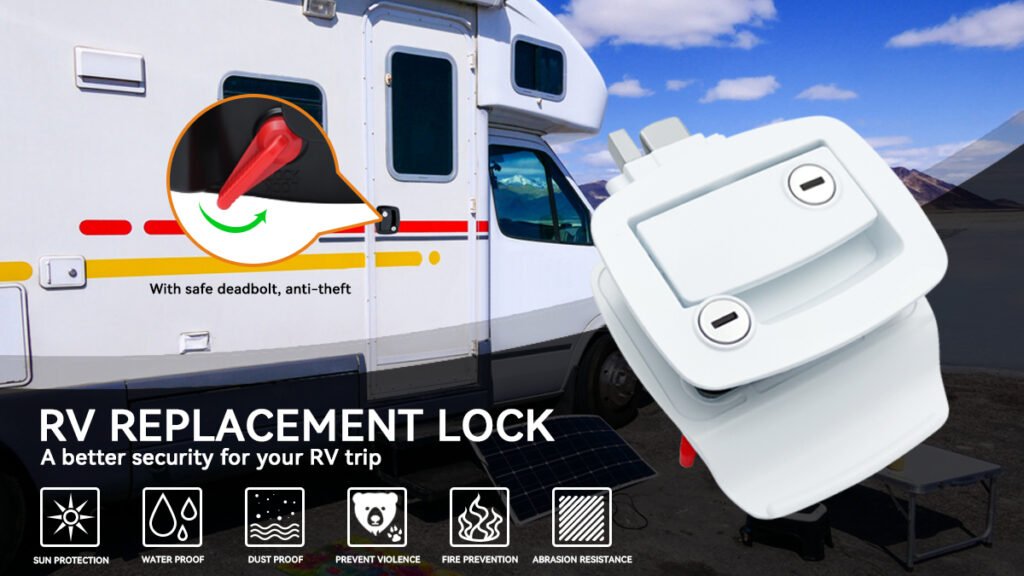
If you want your keyed alike rv locks to work smoothly every time, you need to give them some regular attention. Simple cleaning and quick checks help keep your RV secure and make life easier when you travel. Kinntoo offers trusted RV lock solutions that make maintenance a breeze. You don’t have to be a pro—these steps are easy for any RV owner to follow.
Key Takeaways
Check your RV locks often for dirt and rust so they work well. Clean the locks with a soft cloth and gentle soapy water to get rid of dust and dirt. Use dry lubricants like graphite or silicone spray to help the locks turn easily. Try the locks after you finish to make sure the keys turn without getting stuck. Taking care of your locks often helps them last longer, keeps your RV safer, and stops problems from happening.
Maintenance Summary for Keyed Alike RV Locks
Essential Steps Overview
You want your RV locks to work every time you need them. Regular rv lock maintenance makes that possible. Here’s a quick look at the steps you should follow:
Inspect your locks often. Look for dirt, rust, or anything that might block the keyhole.
Clean the locks with a soft cloth and mild soapy water. Wipe away dust and grime. Don’t use harsh chemicals.
Lubricate the lock cylinder with a dry lubricant like graphite or silicone spray. This keeps the key turning smoothly.
Test each lock after cleaning and lubricating. Make sure the key goes in and turns without sticking.
Check for loose screws or parts. Tighten anything that feels wobbly.
Tip: If you use Kinntoo RV cam locks, you’ll find these steps easy. Their design makes cleaning and maintenance simple.
Benefits of Consistent Care
When you stick to a regular rv lock maintenance routine, you get more than just smooth locks. You boost your RV’s security and make your travels less stressful. Here are some benefits you’ll notice:
Longer lock life: Clean and lubricated locks last much longer.
Fewer breakdowns: You won’t get stuck with a jammed lock when you’re on the road.
Better security: Well-maintained locks keep your belongings safe.
Convenience: Keyed alike systems mean one key for all locks. Maintenance keeps this system working perfectly.
Consistent rv lock maintenance saves you time and money. You avoid emergency repairs and keep your RV ready for adventure.
If you want a hassle-free experience, make rv lock maintenance part of your regular RV care. You’ll thank yourself later!
Why Regular Maintenance Matters for RV Security
Protecting Your RV and Belongings
You want your RV to feel safe wherever you park. Regular lock maintenance gives you peace of mind. When you check and care for your locks, you make sure they work every time. Thieves look for easy targets. If your locks stick or jam, your RV becomes one of those targets. Clean and working locks help keep your stuff secure.
Here are some ways regular maintenance helps protect your RV:
Locks that work well make it tough for thieves to break in.
High-quality locks add layers of security, so criminals move on to easier targets.
Checking hitch locks, wheel locks, and entry door locks makes it harder for anyone to get inside.
You can also upgrade your locks for even better protection. Advanced locks and extra steps, like steering wheel locks or reinforced windows, boost your security. When you keep up with maintenance, you lower the risk of theft and break-ins.
Tip: A simple cleaning routine and quick inspections can make a big difference in your RV’s security.
Convenience of Keyed Alike Systems
Imagine carrying just one key for all your RV compartments. Keyed alike systems make life easier. You don’t have to search for the right key every time. When you maintain these locks, you keep this convenience working for you.
If you skip maintenance, you might find a lock that sticks or a key that won’t turn. That’s frustrating, especially when you’re in a hurry. Regular care keeps every lock in sync. You save time and avoid stress.
Keyed alike systems also help with security. You can check all your locks quickly. If you spot a problem, you fix it before it gets worse. This simple system means you spend less time worrying and more time enjoying your travels.
Inspection Tips for RV Lock Maintenance
What to Check on RV Cam Locks
You want your RV cam locks to work every time you need them. That means you should know what to look for during inspections. Start with a visual inspection. Look at the lock body, the keyhole, and the cam arm. If you see dirt, rust, or any damage, you need to take action. Sometimes, you might spot loose screws or a wobbly cam arm. These small problems can turn into big ones if you ignore them.
Here’s a simple checklist for your inspections:
Check for dirt or debris around the lock and keyhole.
Look for signs of rust or corrosion on the metal parts.
Make sure the cam arm moves smoothly and does not stick.
Test the key in the lock. It should go in easily and turn without force.
Inspect the mounting screws. Tighten any that feel loose.
Listen for any strange sounds when you turn the key.
Tip: If you use Kinntoo RV cam locks, you’ll find that their design makes these checks quick and easy.
If you find any issues during your inspections, fix them right away. Clean the lock, tighten screws, or add a little lubricant if needed. Quick fixes now can save you from bigger problems later.
Inspection Frequency
You might wonder how often you should do regular inspections. The answer depends on how often you use your RV and where you travel. Most RV owners find that monthly inspections work well. If you travel in dusty or wet places, you might want to check your locks more often.
Here’s a simple guide for inspection frequency:
RV Usage Type | Inspection Frequency |
|---|---|
Full-time RV living | Every 2-4 weeks |
Occasional trips | Once a month |
After heavy rain/dust | Right after the trip |
Regular inspections help you catch problems early. You avoid surprises when you’re out on the road. Make inspections part of your routine, just like checking your tires or oil. You’ll keep your RV secure and your locks working smoothly.
Remember: Regular inspections are the best way to keep your RV cam locks in top shape.
Cleaning Keyed Alike RV Locks
Safe Cleaning Methods for RV Cam Locks
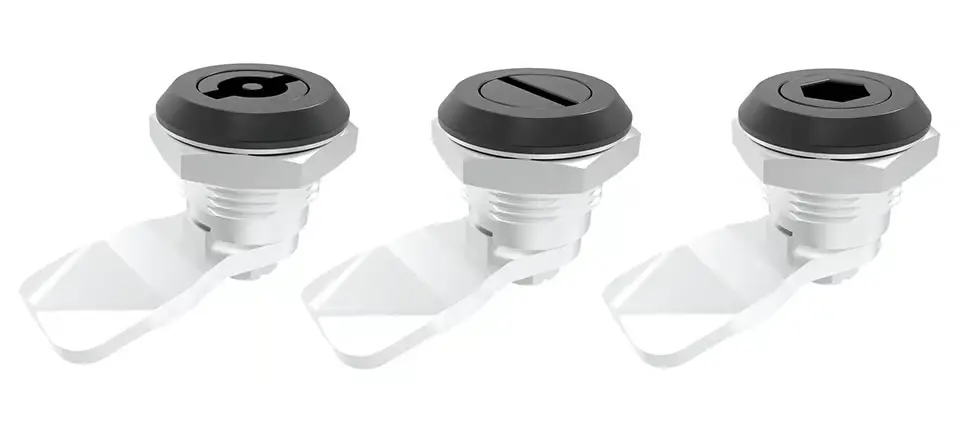
You want your rv door locks to look good and work well. Cleaning them is easy if you follow a few simple steps. Kinntoo rv cam locks have a design that makes cleaning quick. You do not need fancy tools or special cleaners. Grab a soft cloth and some mild soapy water. Wipe the lock body and the keyhole gently. This removes dust and grime without scratching the surface. If you see sticky spots, dip the cloth in soapy water and rub a little more. Dry the lock with a clean towel. Never use harsh chemicals or abrasive pads. These can damage the finish and reduce durability.
If you clean your rv door locks often, you stop dirt from building up. This helps the key turn smoothly. You also keep the lock looking new. For tough dirt, use a cotton swab to reach small spaces. Always check the cam arm and make sure it moves freely. Clean locks help extend the life of your handle and keep your RV safe.
Tip: Cleaning your locks after a dusty trip or rainy day keeps them working longer.
Cleaning Schedule for RVlock Systems
You might wonder how often you should clean your rv door locks. Most RV owners clean them once a month. If you travel in muddy or sandy places, clean them after each trip. Regular cleaning gives your locks lasting durability. It also helps you spot problems early.
Here’s a simple cleaning schedule:
RV Usage Type | Cleaning Frequency |
|---|---|
Full-time RV living | Every 2 weeks |
Weekend trips | Once a month |
After rain/dust | After each trip |
Stick to this schedule and your rv door locks will stay in top shape. Clean locks mean fewer problems and more time enjoying your RV. You get peace of mind and better durability for every journey.
Lubrication Guide for RV Lock Maintenance
Best Lubricants for RV Cam Locks
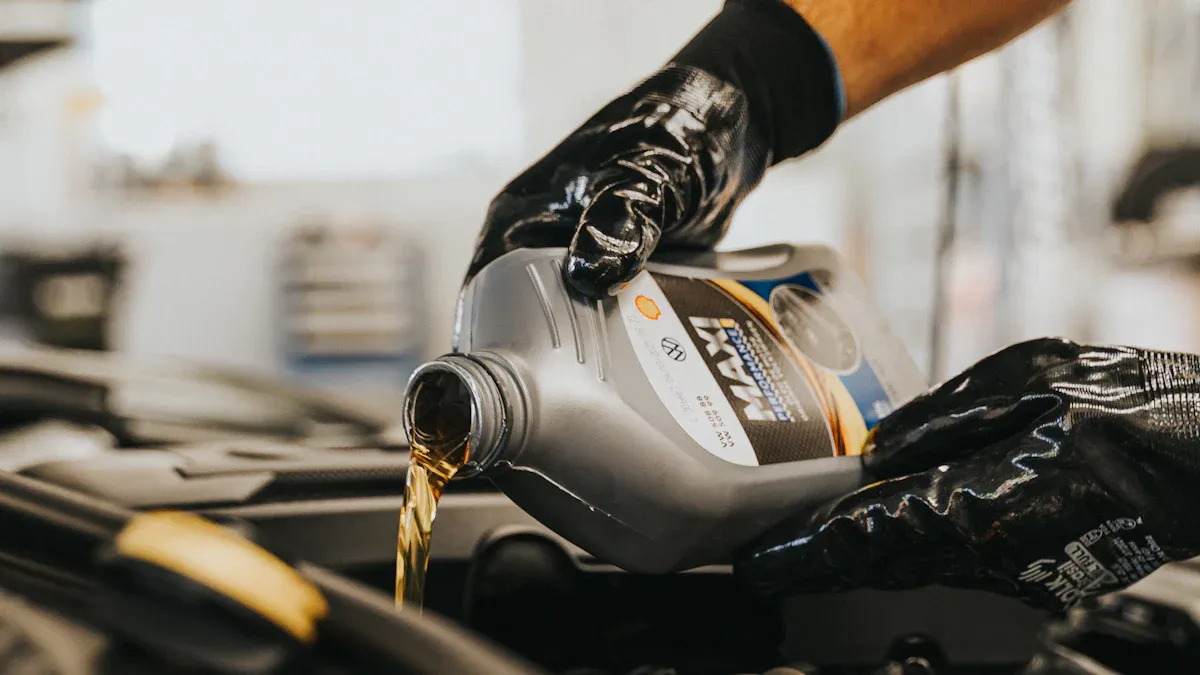
You want your RV locks to work smoothly every time you use them. Lubrication is the secret to keeping your Kinntoo RV cam locks in top shape. Not all lubricants are the same. Some can actually harm your locks. You should always choose dry lubricants for RV cam locks. Dry lubricants like graphite, silicone spray, or Teflon spray work best. They keep the inside of the lock clean and help the key turn easily. Wet or petroleum-based lubricants can attract dust and gum up the lock over time.
Here’s a quick guide to the best options:
Lubricant Type | Good for RV Cam Locks? | Why Use It? |
|---|---|---|
Graphite Powder | Yes | Stays dry, repels dirt |
Silicone Spray | Yes | Smooth action, no residue |
Teflon Spray | Yes | Long-lasting, clean finish |
WD-40 (petroleum) | No | Attracts dust, can gum up |
Tip: Kinntoo RV cam locks are designed to work well with dry lubricants. You get easy maintenance and reliable performance.
Lubrication Frequency and Application
You might wonder how often you need to do lubrication. Most RV owners find that once every three months works well. If you travel in dusty or wet places, you should check your locks more often. Always start by cleaning the lock. Wipe away dirt before you add any lubricant. Hold the lock so the keyhole faces up. Spray or puff a small amount of lubricant into the keyhole. Insert the key and turn it a few times to spread the lubricant inside. Wipe away any extra lubricant from the outside.
Here’s a simple lubrication schedule:
Full-time RV living: Lubricate every 2 months
Occasional trips: Lubricate every 3 months
After heavy rain or dust: Lubricate right after the trip
Note: Regular lubrication keeps your locks working smoothly and helps prevent sticking or jamming. You spend less time fixing problems and more time enjoying your RV.
Troubleshooting Common RVlock Issues
Identifying Problems Early
You want your RV locks to work every time you use them. Spotting problems early helps you avoid bigger headaches down the road. Here are some signs you should watch for:
The key feels tough to insert or remove. If you struggle to turn it, the lock might have internal wear.
You see rust, corrosion, or cracks on the lock housing. Loose parts can mean the lock is wearing out.
The lock looks old or outdated. Simple wafer tumblers or missing deadbolts offer less security.
You notice strange sounds from your keyless entry lock. This could mean the batteries need attention.
Regular maintenance helps you catch these issues before they turn into malfunctions. Dust, grime, and debris can build up inside the lock. If you check for cracks, loose screws, or corrosion, you can fix small problems before they get worse. Don’t forget to check the batteries in your keyless locks. Dead batteries can cause sudden lockouts.
Tip: Make inspections part of your routine. You’ll keep your RV secure and avoid surprises.
Simple Fixes for Keyed Alike RV Locks
You don’t need special tools to fix most lock problems. Try these easy steps when you notice something isn’t right:
Clean the lock with a soft cloth and mild soapy water. Remove any dirt or debris.
If the key sticks, add a dry lubricant like graphite or silicone spray. Turn the key a few times to spread it inside.
Tighten any loose screws or parts. This keeps the lock stable.
For keyless entry locks, check the batteries. Remove the keypad cover and inspect the compartment. If you see leaking or dead batteries, clean the area and put in fresh AA batteries.
Keep spare AA batteries in your RV. You’ll be ready if your lock starts acting up.
Most malfunctions come from dirt, worn parts, or battery issues. Fixing these problems right away keeps your locks working smoothly. You’ll spend less time worrying and more time enjoying your travels.
Note: Quick fixes and regular care help you avoid lockouts and keep your RV safe.
Preventing Damage to RV Locks
What to Avoid During Maintenance
You want your RV locks to last a long time. Some common mistakes can actually cause damage instead of helping. Watch out for these problems when you take care of your locks:
Skipping regular maintenance: If you forget to clean or check your locks, dirt and rust can build up. This makes the lock hard to use and can lead to bigger problems.
Using a power washer: High-pressure water might seem like a quick way to clean, but it can force water inside the lock. This can damage the small parts and seals inside.
Spraying harsh chemicals: Strong cleaners can eat away at the lock’s finish. Over time, this can cause corrosion and make the lock look old.
Tip: Always use a soft cloth and mild soapy water. Stay away from anything that feels rough or smells strong.
If you avoid these mistakes, you help your locks stay strong and reliable. You also save money by not having to replace them as often.
Long-Term Protection Tips
You can do a few simple things to keep your RV locks working well for years. Try these tips for long-term protection:
Wipe your locks after rain or a dusty trip. Moisture and dirt can sneak into small spaces.
Store spare keys in a safe, dry place. Wet keys can bring water into the lock.
Park your RV in the shade when possible. Sun can fade finishes and dry out rubber seals.
Check for loose screws every month. Tighten them so the lock stays secure.
Use a lock cover if you store your RV outside for a long time.
Note: Kinntoo RV cam locks are built for durability, but a little extra care goes a long way.
With these habits, you keep your locks looking good and working smoothly. You also protect your RV and everything inside it.
Regular Maintenance Schedule for RV Owners
Monthly and Seasonal Tasks
You want your RV locks to work every time you need them. Setting up a regular maintenance schedule makes this easy. You can break down your rv maintenance into monthly and seasonal tasks. Monthly tasks keep your locks clean and working smoothly. Seasonal tasks help you catch bigger issues before they become problems.
Here’s what you should do each month:
Wipe down all lock surfaces with a soft cloth and mild soapy water.
Check for dirt, rust, or loose screws.
Lubricate the lock cylinder with a dry lubricant.
Test each lock with its key to make sure it turns easily.
When the seasons change, you should go a little deeper. Inspect for signs of wear or corrosion. Replace any worn keys or lock parts. If you use Kinntoo RV cam locks, you’ll find these tasks quick because of their easy-to-clean design and simple structure.
A regular maintenance schedule helps you avoid sticky locks and keeps your RV secure. You spend less time fixing problems and more time enjoying your travels.
Tip: Consistent checks and lubrication prevent locks from becoming hard to use. Well-maintained locks also reduce the chance of leaving compartments unlocked.
Sample Checklist for Kinntoo RV Cam Locks
You want a simple way to track your rv maintenance. Try this checklist for Kinntoo RV cam locks. Print it out or save it on your phone.
Task | Frequency | Done? |
|---|---|---|
Clean lock surfaces | Monthly | ☐ |
Inspect for dirt and rust | Monthly | ☐ |
Lubricate lock cylinder | Monthly | ☐ |
Tighten loose screws | Monthly | ☐ |
Test key operation | Monthly | ☐ |
Deep inspection for wear | Seasonally | ☐ |
Replace worn keys or parts | Seasonally | ☐ |
You can use this checklist to stay on top of your regular maintenance. Kinntoo locks make these steps easy, so you keep your RV safe and ready for adventure. Regular rv maintenance means fewer surprises and smoother travels.
You can keep your RV safe by taking care of your keyed alike rv locks. Clean your locks often and check them for problems. Use lubricant to help the key turn easily. Store your spare keys in a secret place. Kinntoo locks are easy to take care of and work well. If you check your locks often, you can find problems before they get worse. This helps stop people from getting in without permission.
If you follow a schedule, you feel calm and enjoy using one key for all your locks on every trip.
FAQ
How often should you clean your rvlock handle?
You should clean your rvlock handle once a month. If you travel in dusty or rainy places, clean it after each trip. Regular cleaning helps your lock work smoothly and keeps your rv safe.
What is the best way to lubricate an rvlock?
Use a dry lubricant like graphite or silicone spray. Spray a small amount into the keyhole, then turn the key a few times. This keeps your lock working well and helps prevent sticking in your rv.
Can you use one key for every rvlock on your rv?
Yes, you can use one key for all your rvlock handles if you have a keyed alike system. This makes it easy to open every compartment in your rv without carrying a bunch of keys.
What should you do if your rvlock handle feels sticky?
Clean the lock with a soft cloth and mild soapy water. Dry it well. Add a little dry lubricant to the keyhole. Test the key. If it still sticks, check for dirt or rust inside your rvlock handle.
How do you handle electronic lock maintenance for your rv?
Check the batteries in your electronic lock every few months. Replace them if needed. Clean the keypad with a soft cloth. Make sure the lock responds when you press the buttons on your rv.
