
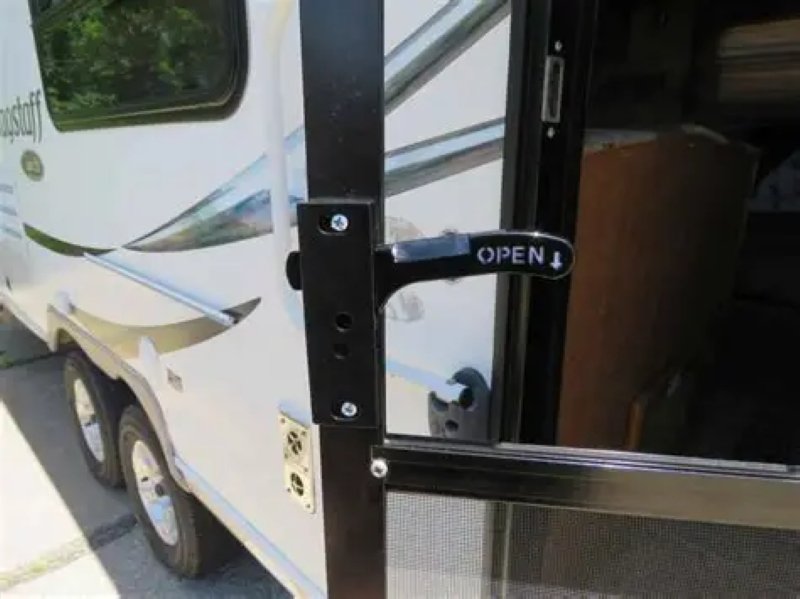
You want your rv screen door lock to work smoothly every time. You can fix common problems quickly without needing special tools. Beginners and experienced DIYers both find these steps easy to follow. Kinntoo offers reliable locks for RVs, and you will notice how simple maintenance keeps your journeys secure.
Key Takeaways
Regularly inspect and clean your RV screen door lock to prevent dirt build-up and ensure smooth operation.
Use the right lubricants, like graphite powder or silicone-based sprays, to keep moving parts functioning well and avoid jams.
Test your lock after maintenance to confirm it works properly and address any issues immediately.
Adjust misaligned locks and tighten loose screws to prevent future problems and ensure security.
Consider replacing your lock with Kinntoo RV door locks for reliable, long-term solutions if issues persist.
Inspect & Clean rv screen door lock
Common causes of stuck locks
You often find that dirt, dust, or debris can jam the mechanism inside your rv screen door lock. Sometimes, a loose latch or misalignment leads to a stuck key or a lock that feels frozen. Moisture can also cause frozen locks, especially in cold weather. If you notice your key stuck in a lock or the handle feels stiff, you likely have a problem with build-up or a jam. Regular maintenance helps you avoid these issues and keeps your lock working smoothly.
Tools for cleaning and inspection
You do not need specialist tools for a quick fix. You can use a soft toothbrush to reach small spaces. A mild cleaner works well for removing grime. Kinntoo rv door locks feature easy-to-clean surfaces, so you spend less time on maintenance. For deeper cleaning, use graphite powder or a specific lock lubricant. These agents keep the mechanism moving freely. Avoid WD-40, as it can cause build-up and jammed locks over time.
Tip: Always check for loose screws or misaligned parts before you start cleaning. This simple step prevents further damage and helps you fix the problem quickly.
Cleaning steps for stuck locks
Remove any visible dirt or dust from the lock surface with a dry cloth.
Use a toothbrush dipped in mild cleaner to scrub around the latch and keyhole.
Wipe away residue with a clean cloth.
Apply graphite powder or a lock lubricant to the moving parts. This helps prevent frozen or jammed locks.
Test the lock by turning the key and handle several times. If the lock feels smooth, you have completed a quick fix.
Inspect the lock regularly to catch any problem early. Routine maintenance stops stuck locks and frozen locks before they start.
Note: Kinntoo rv door locks are designed for easy inspection and cleaning, making every quick fix straightforward.
Lubricate Moving Parts
Choosing lubricant for rv door locks
You want your rv screen door lock to work smoothly every time you use it. The right lubricant makes a big difference. Industry professionals recommend specific products for each component. The table below shows which lubricants work best:
Component | Recommended Lubricant | Notes |
|---|---|---|
Hinges | Silicone-based or dry graphite | Prevents squeaking; avoids oil-based lubes |
Locks and Latches | Graphite powder or lock lubricant | Keeps mechanisms functioning; avoid WD-40 |
You should avoid WD-40 because it can cause build-up and lead to a frozen or jammed lock. Instead, apply a lubricant like graphite powder or a silicone-based spray for a quick fix.
Lubrication steps for stuck locks
You may notice your lock feels stiff or the key does not turn easily. This is a sign that you need to fix the problem with lubrication. Follow these steps for a quick fix:
Clean the lock and remove any loose dirt or debris.
Gently insert the key and turn it to check for stiffness.
Apply a lubricant directly into the keyhole and moving parts.
Move the key and handle several times to spread the lubricant.
Wipe away any excess to prevent dust from sticking.
Tip: Regular maintenance with the right lubricant keeps your lock from becoming frozen or stuck.
Preventing stuck key and broken locks
You can prevent a stuck key or broken lock by making lubrication part of your regular maintenance routine. Over time, metal parts inside the lock can wear down and become stiff. This leads to a frozen lock or even a broken mechanism. Regular lubrication is crucial for the functionality of locks and latches. Using a graphite powder or lock lubricant helps maintain proper functioning. Avoiding WD-40 is recommended as it can lead to build-up over time.
Regular lubrication is essential for smooth operation of caravan doors.
A silicone-based lubricant should be used on hinges, locks, and moving parts to prevent friction and corrosion.
Wiping off excess lubricant is important to avoid dust accumulation.
You will find that these simple steps extend the life of your rv screen door lock and help you avoid a broken or frozen lock. Make lubrication a habit, and you will rarely need a quick fix for a stuck key or loose latch.
Test & Adjust for Entrance Door Lock Problems
Testing rv screen door lock function
You want your rv screen door lock to work every time you travel. Start by checking if the handle moves smoothly. Insert your key and turn it. If you feel resistance or the key gets stuck in a lock, you have a problem that needs a quick fix. Try to open and close the door several times. Listen for any unusual sounds. If the lock feels loose or the latch does not catch, you should inspect further. You may notice frozen locks in cold weather or jammed locks after long trips. Regular maintenance helps you avoid these entrance door lock problems.
Tip: Always test the lock after cleaning and lubricating. This step confirms if you have solved the issue or need to fix something else.
Adjusting for broken or misaligned locks
You may find the lock does not line up with the strike plate. This misalignment causes loose locks or a stuck key. Use a screwdriver to adjust the strike plate. Tighten any loose screws. If the latch does not move freely, check for debris or signs of wear. Sometimes, you need to fix a broken latch or handle. Remove a key stuck in the lock gently to avoid further damage. If you see cracks or the lock feels frozen, you may need a quick fix or to replace the lock. Always check for broken springs or worn parts. Adjusting these components can solve entrance door lock problems and prevent future issues.
Check alignment of strike plate and latch.
Tighten loose screws.
Remove debris from moving parts.
Replace the lock if you see broken or worn components.
When to replace with kinntoo rv door locks
You should replace the lock if you notice repeated problems. Broken mechanisms, loose locks, or frozen locks mean the lock no longer protects your caravan. Kinntoo rv door locks offer a reliable solution for persistent issues. You can choose a mechanical or keyless option to suit your needs. These locks are easy to install and designed for long-term use. If you cannot fix a broken lock or you face frequent jammed locks, replacing with Kinntoo ensures your security. Regular maintenance and timely replacement keep your journeys safe.
Note: Kinntoo locks help you avoid future problems and provide peace of mind on every trip.
You can keep your rv screen door lock working smoothly by following three simple steps: inspect and clean, lubricate moving parts, and test for any loose or stuck key issues. Regular checks help you spot problems early and avoid the need for a quick fix. Use the table below to guide your maintenance routine:
Maintenance Task | Recommended Lubricant | Notes |
|---|---|---|
Hinges | Silicone-based or dry graphite | Prevents squeaking; avoid oil-based lubricants |
Locks and Latches | Graphite powder or lock lubricant | Keeps mechanisms working; avoid WD-40 |
Door Handles | Light lubricant on components | Restores smooth movement if stiff |
Choose kinntoo rv door locks for reliable, long-term solutions. You can fix most entrance door lock problems yourself and travel with confidence.
FAQ
How often should you clean your RV screen door lock?
You should clean your RV screen door lock every three months. Regular cleaning prevents dirt build-up and keeps the mechanism working smoothly. If you travel frequently, inspect and clean the lock more often.
Which lubricant works best for RV locks?
Graphite powder or silicone-based spray works best for RV locks. These lubricants reduce friction and prevent sticking. Avoid oil-based products, as they attract dust and cause jams.
Tip: Always wipe away excess lubricant to stop dust from collecting inside the lock.
Can you install a Kinntoo RV door lock yourself?
You can install a Kinntoo RV door lock with basic tools. The design allows for easy replacement. Follow the instructions provided with your lock for a secure fit.
What signs show you need to replace your RV lock?
Look for these signs:
The key gets stuck often.
The handle feels loose.
The lock does not latch securely.
You see visible damage or cracks.
Are Kinntoo RV locks compatible with most RV models?
Kinntoo RV locks fit most standard RV door sizes. You can check the specifications on the Kinntoo website to confirm compatibility with your vehicle.
